Scientists in Britain recently helped hit a major milestone for hydrogen-powered flight. Working with Rolls-Royce, they successfully tested the first jet engine to run at full take-off power on 100% hydrogen.
People often think safety rules delay projects. This project, however, shows that knowing how to handle risks helps new technology move faster.
Testing the Hydrogen Engine
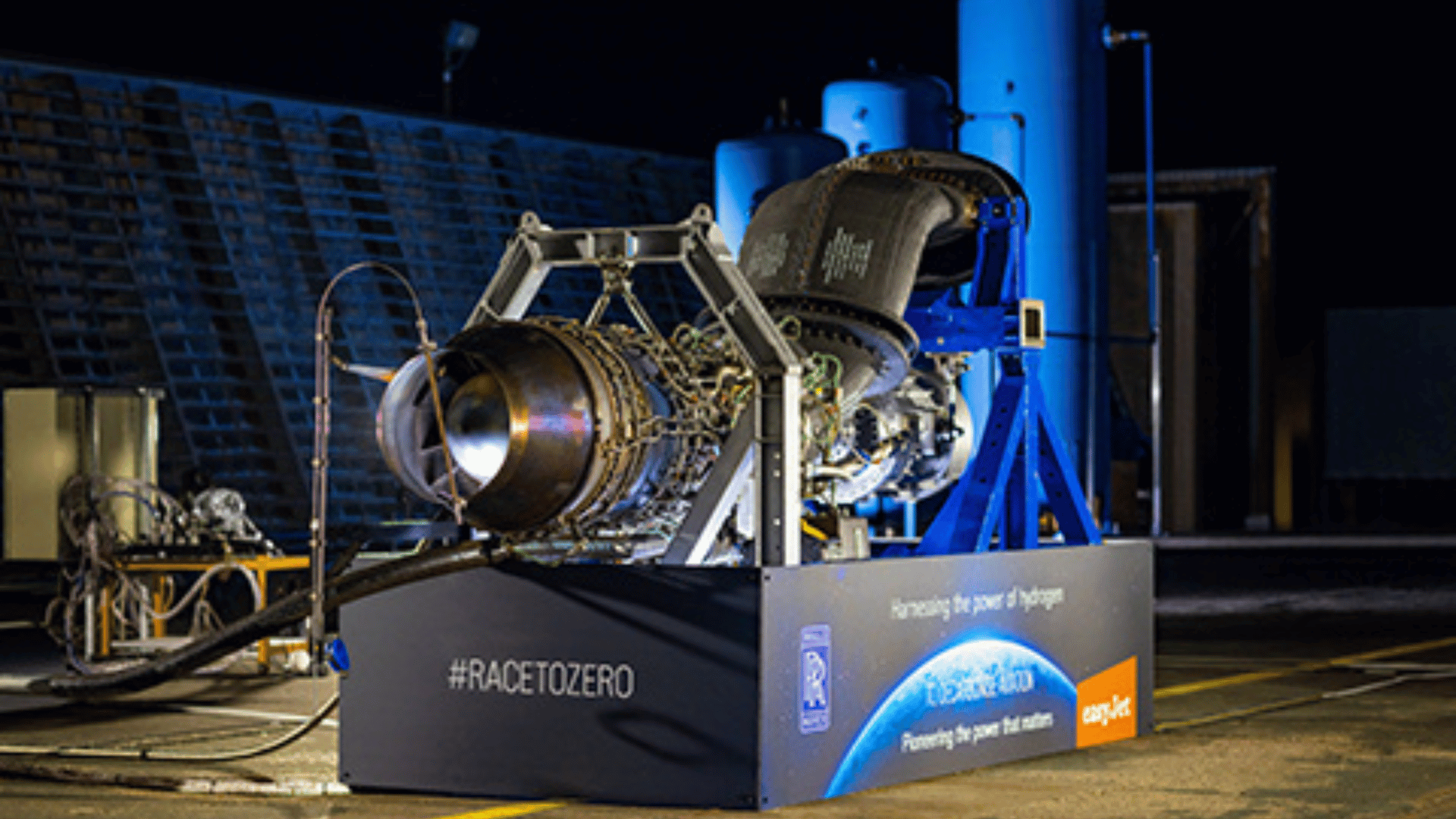
The tests took place at the Health and Safety Executive (HSE) science center in Buxton. The HSE team worked with Rolls-Royce to design and build the gas supply system needed for the test, which they called Engine GH2.
Hydrogen is difficult to work with, especially at high pressures. The scientists used their 20 years of experience to analyze the test design and make sure everything was safe. They sorted out the safety details early, allowing them to quickly move from the drawing board to live testing.
Advertisement
“Safety is always front and centre within the aerospace sector and the development of hydrogen as an alternative to hydrocarbon-based jet fuel presents challenges across many different technical fronts,” Dr Nigel A Moss from the HSE explained. “Our team’s work here is not about slowing innovation down – it is precisely what enables it to proceed at pace and with confidence. Getting the safety foundations right is what makes breakthroughs like this possible.”
What the Future Holds
The project gave engineers a massive amount of data on how hydrogen works in a real jet engine. They tested the engine under various conditions, including what happens when things go wrong.
“This program has given us the clearest understanding in the industry of how hydrogen behaves in a modern aero gas turbine,” said Adam Newman, Chief Engineer, Hydrogen Demonstrator Program at Rolls-Royce. “Through a collaborative, staged testing approach, we have validated combustion, fuel and control system technologies, and demonstrated the safe use of hydrogen through design, commissioning, maintenance and testing.”
Newman added, “We have explored a wide range of operating conditions, including fault scenarios, enabling operation at maximum power and across a full flight cycle. The pace of delivery has been critical, and the insights gained, many of which are fuel agnostic, will now be applied across our future programs, including UltraFan®, strengthening our confidence that the gas turbine will remain at the forefront of sustainable aviation’s future.”
 Read Exclusive Stories
 Bookmark & Save Articles For Later