MIT engineers are testing a new propulsion system for small satellites that combines two different types of rocket power into one system: chemical and electrical.
Chemical thrusters give quick, powerful bursts of speed, while electrical thrusters are slow, precise, and fuel-efficient. Normally, you would need two separate, heavy fuel tanks to use both. However, the MIT team found a specific fuel that can power both types of thrusters at the same time.
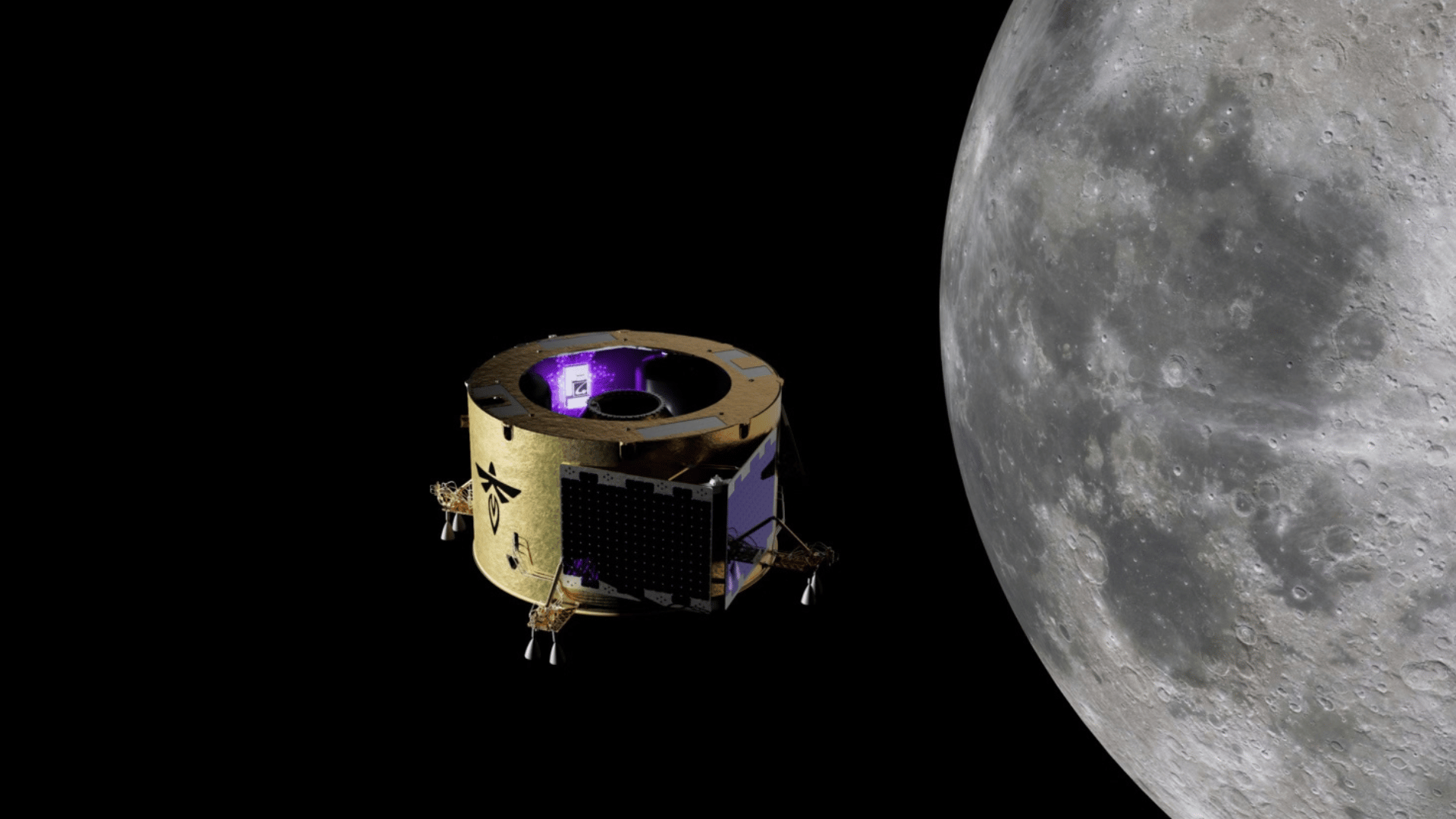
The researchers are now working with NASA on a mission called the Green Propulsion Dual Mode. They plan to launch a briefcase-sized satellite that carries both types of thrusters, all running on a single fuel tank.
“If you can have chemical and electrical propulsion in one small package, it’s the best of both worlds,” said Amelia Bruno, a former postdoc in MIT’s Department of Aeronautics and Astronautics. “This opens the door for small satellites to do even more science, more observations, and more interesting missions, all on a smaller and cheaper platform.”
A Fuel-Efficient Way to Explore Deep Space
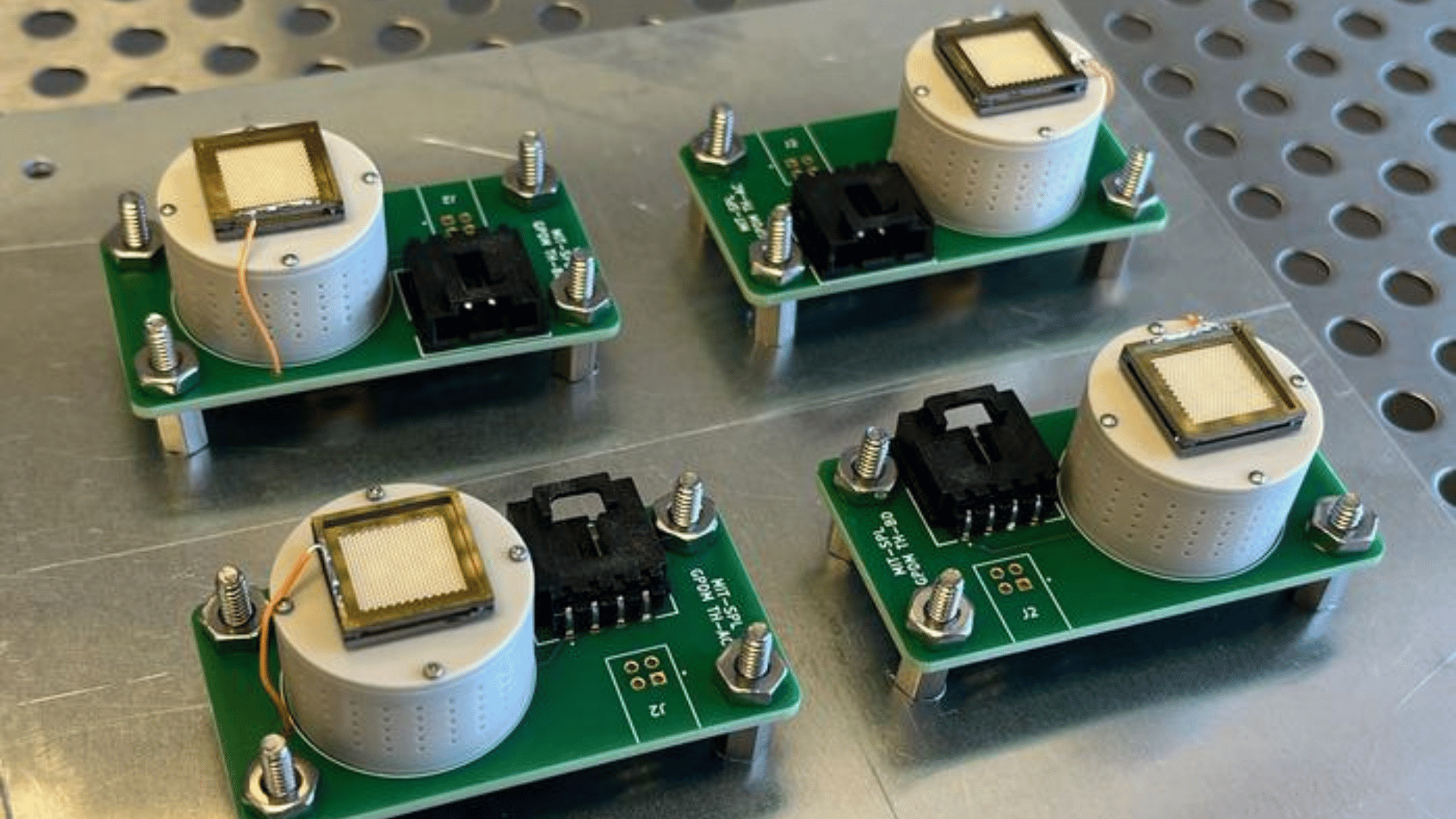
The fuel used in the tests is called ASCENT. The U.S. Air Force originally made it as a safer, less toxic option for chemical rockets. Because ASCENT is a liquid made of salts, the MIT team realized it might also work for electrical electrospray thrusters, which shoot out charged particles to create movement.
To test this, the team put a tiny thruster on a small satellite inside a vacuum chamber that mimics space. When they turned on the power, the thruster created a spray that successfully spun the satellite. The fuel worked just as well as traditional electrical options.
This dual, fuel-efficient system could let cheap, small satellites travel much farther than they do now. They could use the slow, efficient electrical mode for long journeys, and switch to the fast chemical mode when they arrive.
“We could send CubeSats to Mars, or the asteroid belt, where they could make the journey slowly, using electrospray thrusters,” explained study co-author Paulo Lozano, a professor at MIT. “You could then use your chemical thrusters to quickly move to look at interesting features. You could have a lot more flexibility to do a lot more things.”
 Read Exclusive Stories
 Bookmark & Save Articles For Later