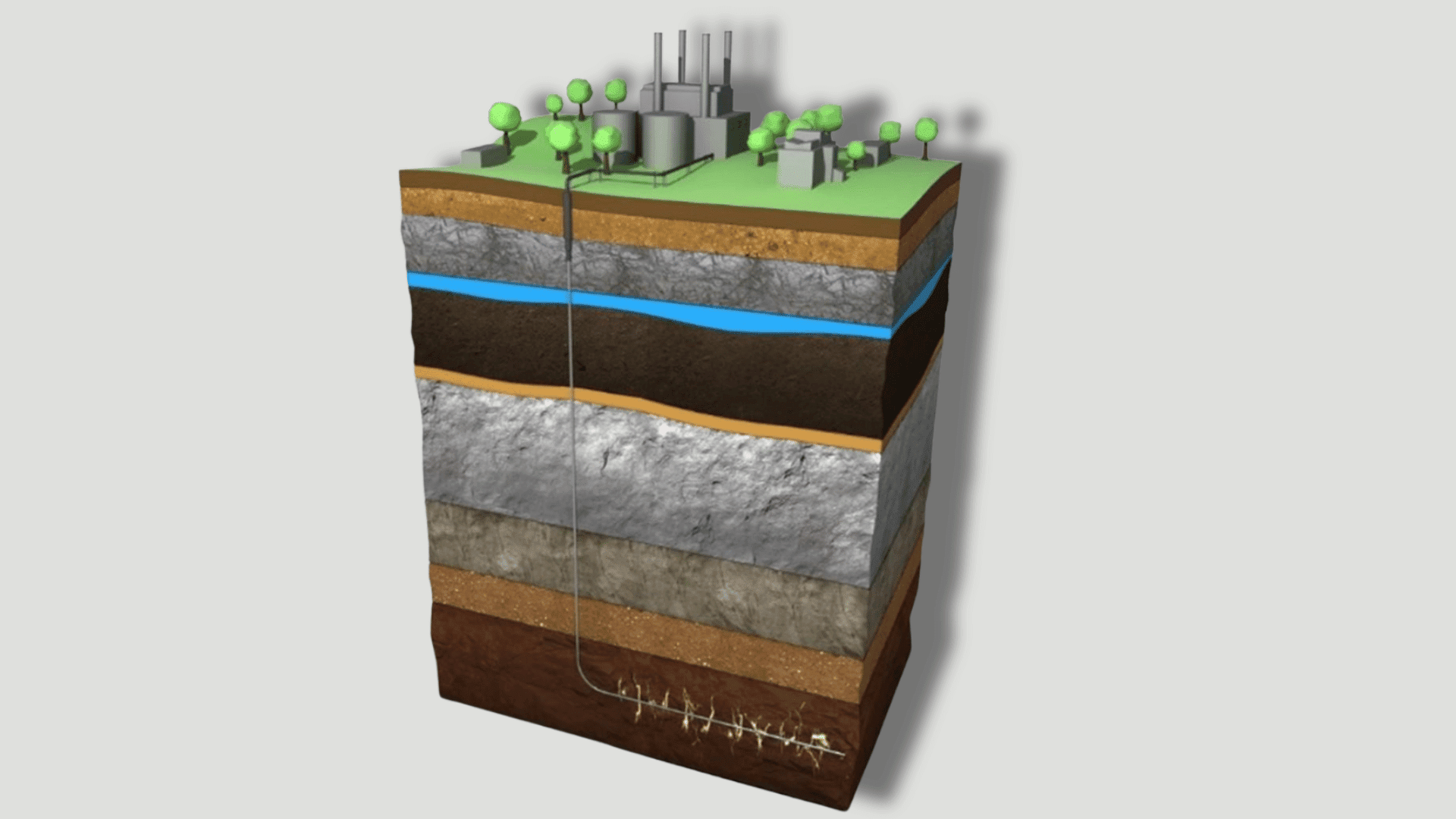
When companies use fracking to get oil and gas out of the ground, they leave most of it behind. In fact, they usually only extract 3% to 10% of the oil and 5% to 30% of the gas from these tight rock formations.
Researchers at the National Energy Technology Laboratory (NETL) are currently working on ways to fix that.
“Primary recovery from hydraulic fracturing in these unconventional formations is typically between 3% and 10% of oil in place and 5% to 30% of natural gas in place,” said NETL researcher Angela Goodman. “Our task involves finding safe and cost-effective strategies to recover far greater percentages of the oil and gas left behind in those reservoirs.”
A Smarter Way to Get Oil and Natural Gas
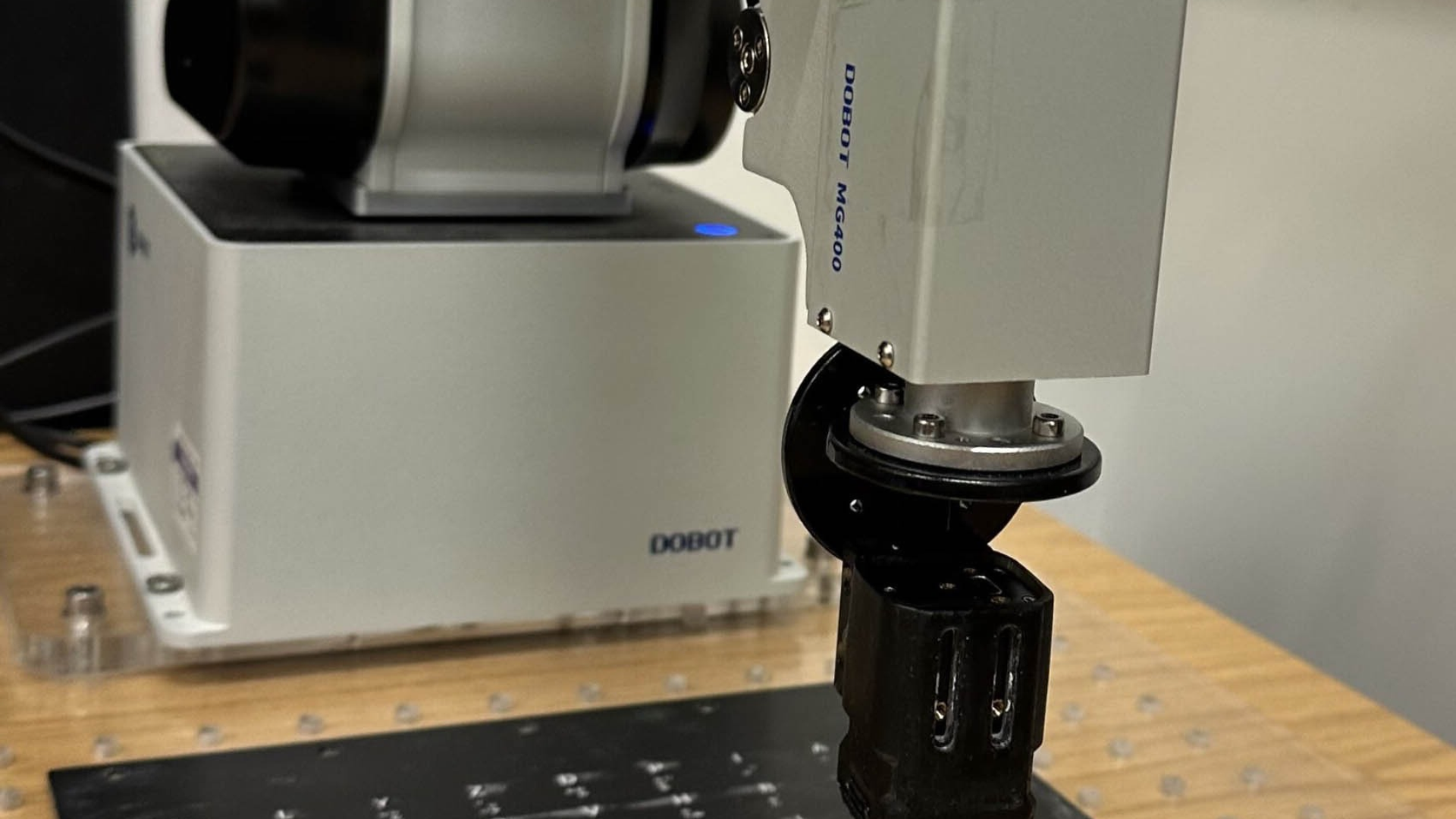
To see deep underground, the team uses nuclear magnetic resonance (NMR) technology. Researchers put rock samples into a magnetic field and blast them with radiofrequency pulses to see how much fluid the rock holds and how liquids move through its tiny pores.
“We begin with saturating shale cores in hydrocarbon oil. Hydrogen atoms are abundant in the hydrocarbon-soaked cores,” said NETL researcher Matthew Grindle. “When the rock core is placed in the NMR unit’s magnetic field, the hydrogen nuclei align themselves with the field.”
Advertisement
The lab’s equipment tests these rocks under extreme conditions, mimicking the intense heat and pressure found miles underground.
“Such analyses enable the measurement of initial multiphase fluid saturation (water, hydrocarbons, etc.) and monitor fluid saturation changes throughout injection of new fluid such as CO2, natural gas, water, and surfactants intended to initiate oil recovery,” said NETL researcher Lauren Burrows.
Mapping the Flow
The team uses these scans to test a method called “huff-and-puff.” They inject things like natural gas or CO2 into the rock to see if it pushes the trapped oil out. The scans create 3D maps showing fluid moving through microscopic pores.
“Such insights will expand the knowledge base into the complex interactions between fluids and rock formations, making NMR an important resource for enhanced oil recovery (EOR) research,” Grindle added.
Ultimately, the goal is to use this data to boost American energy production.
“NETL is pioneering the use of this technology within the U.S. Department of Energy’s national lab system to build upon our expertise in unconventional oil and gas production and provide the breakthroughs we need to develop energy for the American people,” Goodman said.
 Read Exclusive Stories
 Bookmark & Save Articles For Later