Cleaning up a nuclear power plant is a long, difficult job. When a plant reaches the end of its life or gets damaged, the decommissioning process can take over 20 years. Workers have to decontaminate the site and handle radioactive materials so the land can eventually be used again. The International Atomic Energy Agency says about half of the world’s 423 nuclear reactors will likely start this process by 2050.
While robots helped a lot during the cleanup at Fukushima Daiichi, wires remain a significant challenge. Most of these robots rely on long cables to stay connected. This makes it hard to use several robots at once because the cables get tangled or stuck in tight spaces. Now, researchers from the Institute of Science Tokyo have built a Wi-Fi receiver chip that can handle the heat, or more accurately, the radiation.
Cutting the Cord in High-Radiation Zones
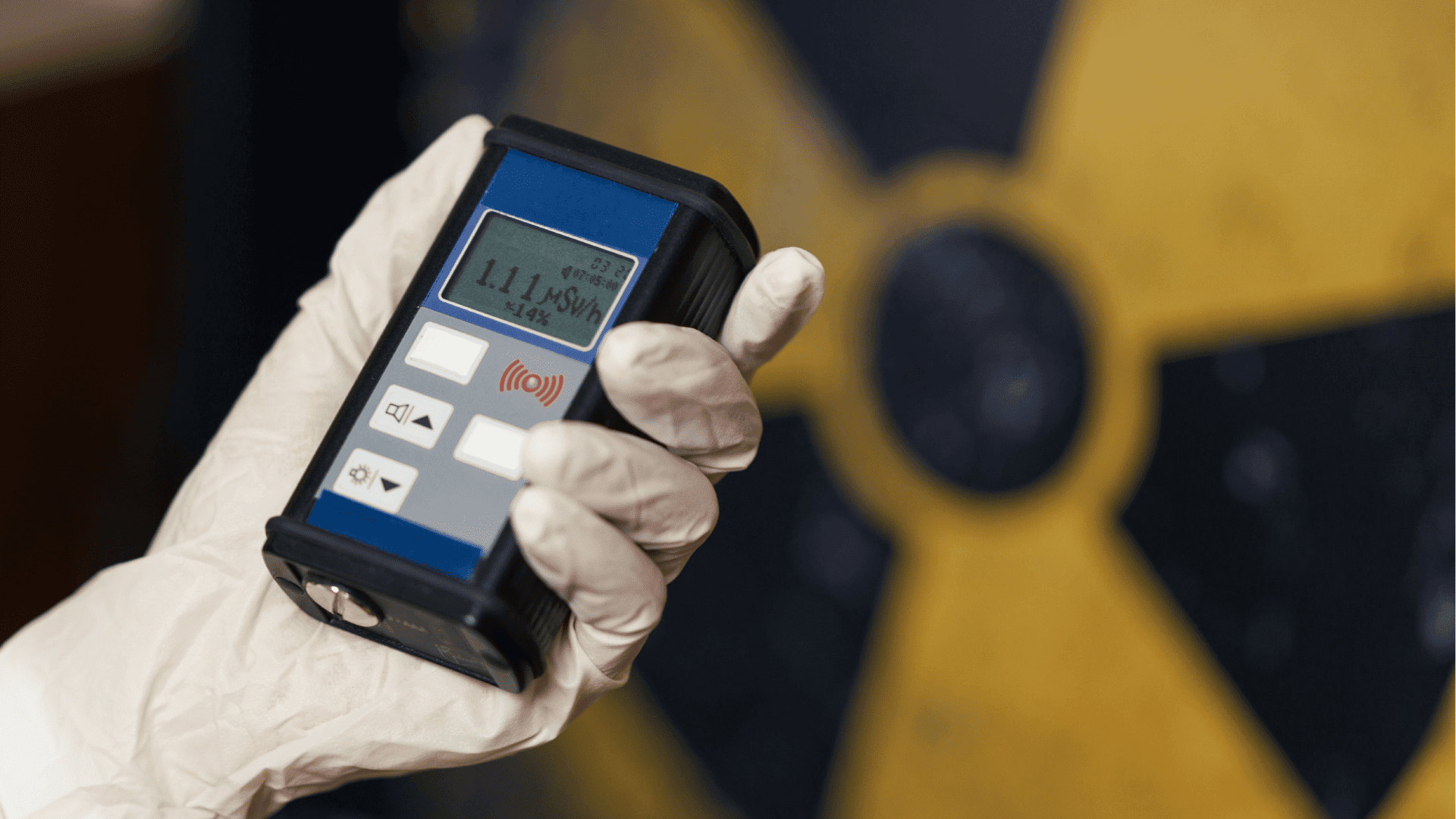
The team, led by Associate Professor Atsushi Shirane and student Yasuto Narukiyo, created a chip that works even after being hit with 500 kilograys of radiation. To put that in perspective, this dosage would fry standard electronics.
“Such tolerance addresses the requirements of nuclear power plant decommissioning, which involves exposure to intense gamma radiation emitted from fuel debris,” said Shirane. “Introducing such a wireless system eliminates the need for complex cabling and enables efficient and seamless operation of a large number of robots.”
Advertisement
How to Build a Tougher Chip
Radiation usually traps electrical charges in the insulating layers of transistors, which causes leaks and weakens signals. To fix this, the team used fewer transistors and replaced some of them with inductors, which are much less sensitive to radiation.
They also made the remaining transistors physically larger. By increasing their length and width, the researchers made the chip less vulnerable to the “edge-related” damage that radiation often causes. In tests, the chip’s performance stayed almost the same as a regular Wi-Fi receiver, even after heavy exposure.
“By realizing Wi-Fi chips that operate stably even under ultra-high-dose radiation environments, wireless remote operation using robots and drones will be promoted, enabling reductions in worker radiation exposure risk and advances in work sophistication,” Shirane said.
Beyond nuclear plants, this tech could also help in deep space, where radiation is a constant threat to hardware.
 Read Exclusive Stories
 Bookmark & Save Articles For Later