Liver cancer is a tough opponent. It claims over 800,000 lives every year, mostly because it’s hard to find early and has a habit of coming back. In fact, recurrence rates sit between 70% and 80%. However, researchers in Japan potentially found a way to spot the danger before a tumor forms.
The team focused on a specific protein called MYCN. Scientists already knew this protein played a role in liver cancer in damaged livers, but they didn’t know how. To figure it out, the researchers used a mouse model to see what happens when MYCN is turned up too high. They found that when MYCN teamed up with another gene called AKT, 72% of the mice developed tumors within just 50 days.
Mapping the Cancer
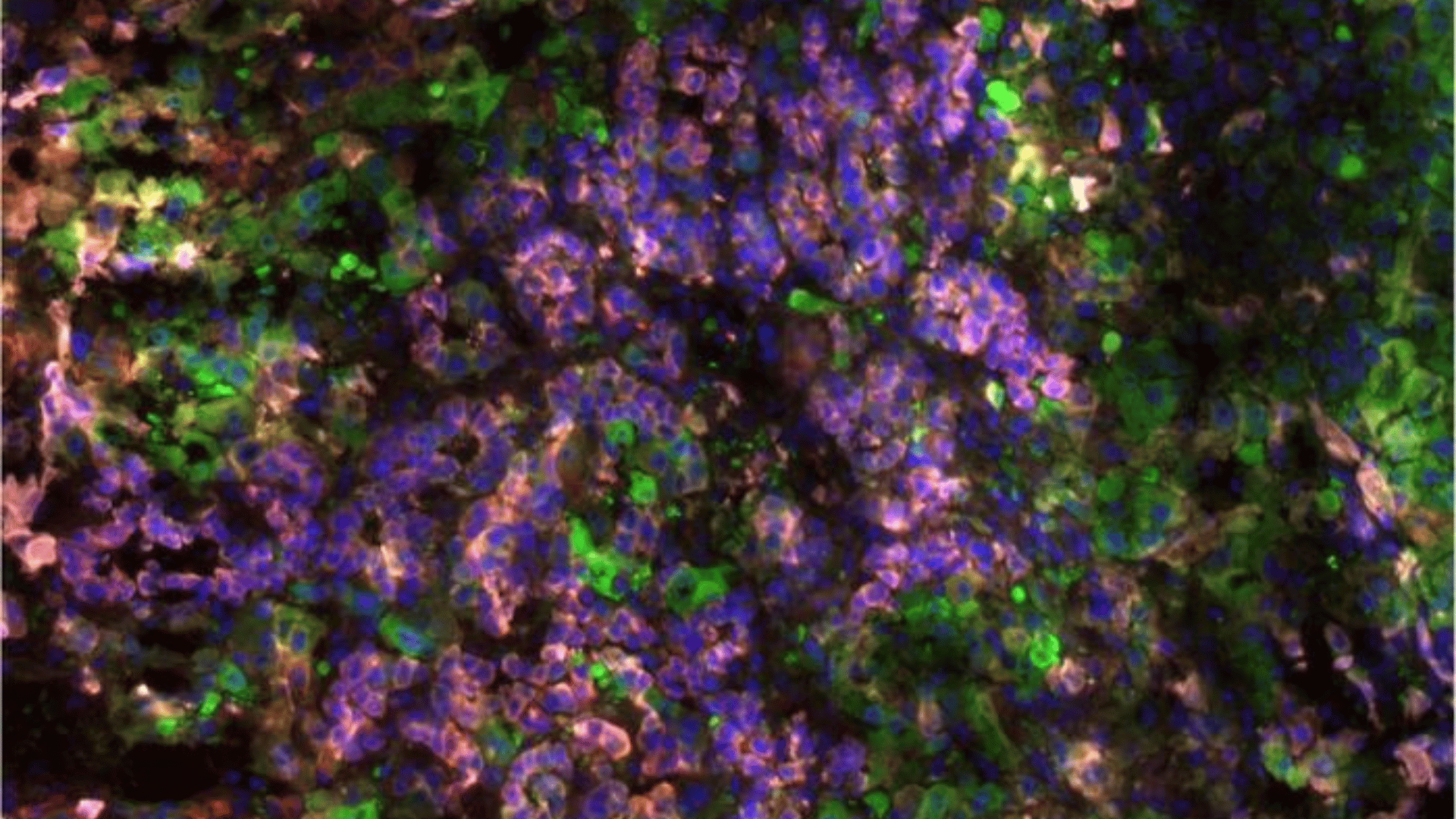
To understand why this happens, the team used a technique called spatial transcriptomics. It’s like a map that shows exactly which genes are active and where they are located in the liver tissue. They discovered a specific cluster of 167 genes that change in “tumor-free” areas when MYCN levels rise. They’ve labeled this environment the “MYCN niche.”
Advertisement
Using this data, the researchers built a machine-learning model. This algorithm looks at the gene patterns in a liver and gives it a score. If the score is high, it means the liver environment is primed for cancer. When they tested this on human data, it worked with 93% accuracy. Interestingly, the score was even better at predicting future trouble when they looked at the healthy-looking tissue around a tumor rather than the tumor itself.
“We have developed a clinically actionable strategy to identify high-risk patients by profiling gene expression in non-tumor liver tissue,” explained lead researcher Xian-Yang Qin at the RIKEN Center for Integrative Medical Sciences (IMS). “By integrating spatial transcriptomics with machine learning, we have established a MYCN niche score that predicts recurrence risk and detects precancerous microenvironments predisposed to de novo liver tumorigenesis.”
Moving forward, the team wants to keep researching how these “cancer-friendly” environments get started in the first place.
“In the future, we aim to further dissect the biological mechanisms captured by machine learning-derived spatial feature scores and determine how cancer-permissive environments are established and maintained,” Qin added.
 Read Exclusive Stories
 Bookmark & Save Articles For Later