Researchers have found a way to make clean hydrogen using nothing but sunlight and a metal that melts in your hand. This new process, developed by a team at the University of Sydney, works with both freshwater and seawater, which could solve one of the biggest bottlenecks in green energy production.
Hydrogen is often called a dream fuel because its byproduct is water. However, getting hydrogen out of water molecules usually takes a lot of expensive equipment or very pure water. This new method uses liquid gallium to do the heavy lifting.
How Liquid Metal Makes Hydrogen Fuel
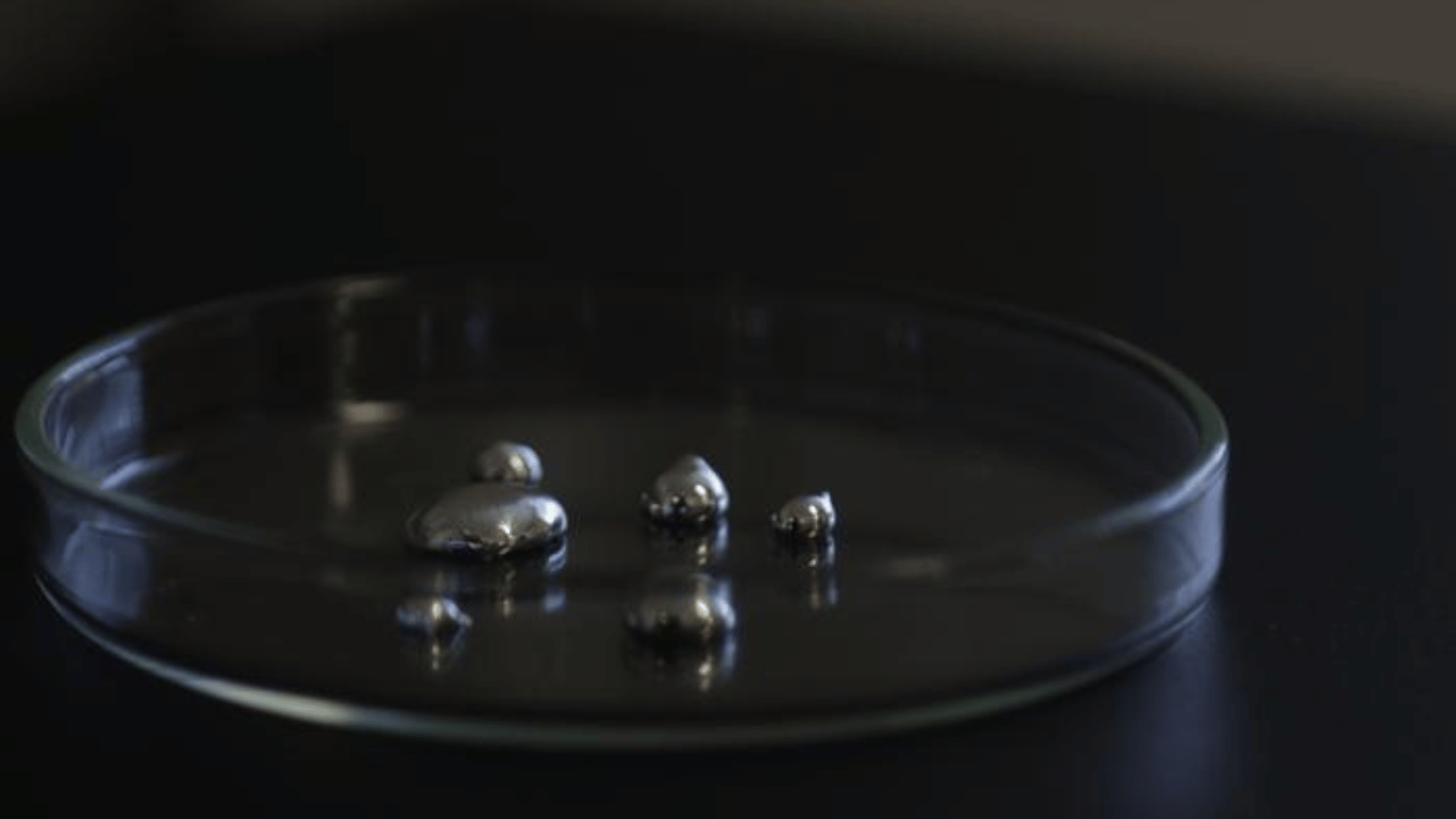
Gallium is a unique element. It’s solid at room temperature but turns into a puddle if it gets warm. The researchers found that when they drop tiny particles of gallium into water and shine light on them, a chemical reaction starts. The gallium reacts with the water, releasing hydrogen gas and turning into gallium oxyhydroxide.
“We now have a way of extracting sustainable hydrogen, using seawater, which is easily accessible while relying solely on light for green hydrogen production,” said lead author Luis Campos.
Advertisement
One of the best parts about this setup is that it’s a “circular” process. Once the reaction is over, the gallium oxyhydroxide can be turned back into regular gallium and used all over again.
Looking Toward the Future
Right now, the team has reached an efficiency level of 12.9 percent. While that might sound low, Professor Kourosh Kalantar-Zadeh points out that most new tech starts small.
“For the first proof-of-concept, we consider the efficiency of this technology to be highly competitive,” he said. “For instance, silicon based solar cells started with six percent in the 1950s and did not pass 10 percent till the 1990s.”
The team is already working on making the process more efficient so it can be sold commercially. Because it works with seawater and doesn’t need a massive power grid to run, it could be a big deal for countries looking to export clean energy.
Dr. Francois Allioux, “Hydrogen offers a clean energy solution for a sustainable future and could play a pivotal role in Australia’s international advantage in a hydrogen economy.”
 Read Exclusive Stories
 Bookmark & Save Articles For Later