Scientists at the UVA Cancer Center may have found a new way to tackle glioblastoma, a deadly type of brain cancer that has been notoriously difficult to treat for decades. By finding a small molecule that can turn off a specific cancer-driving gene, the team is opening a door to a potential treatment that actually targets the tumor without hurting the rest of the brain.
A New Target For Deadly Brain Cancer
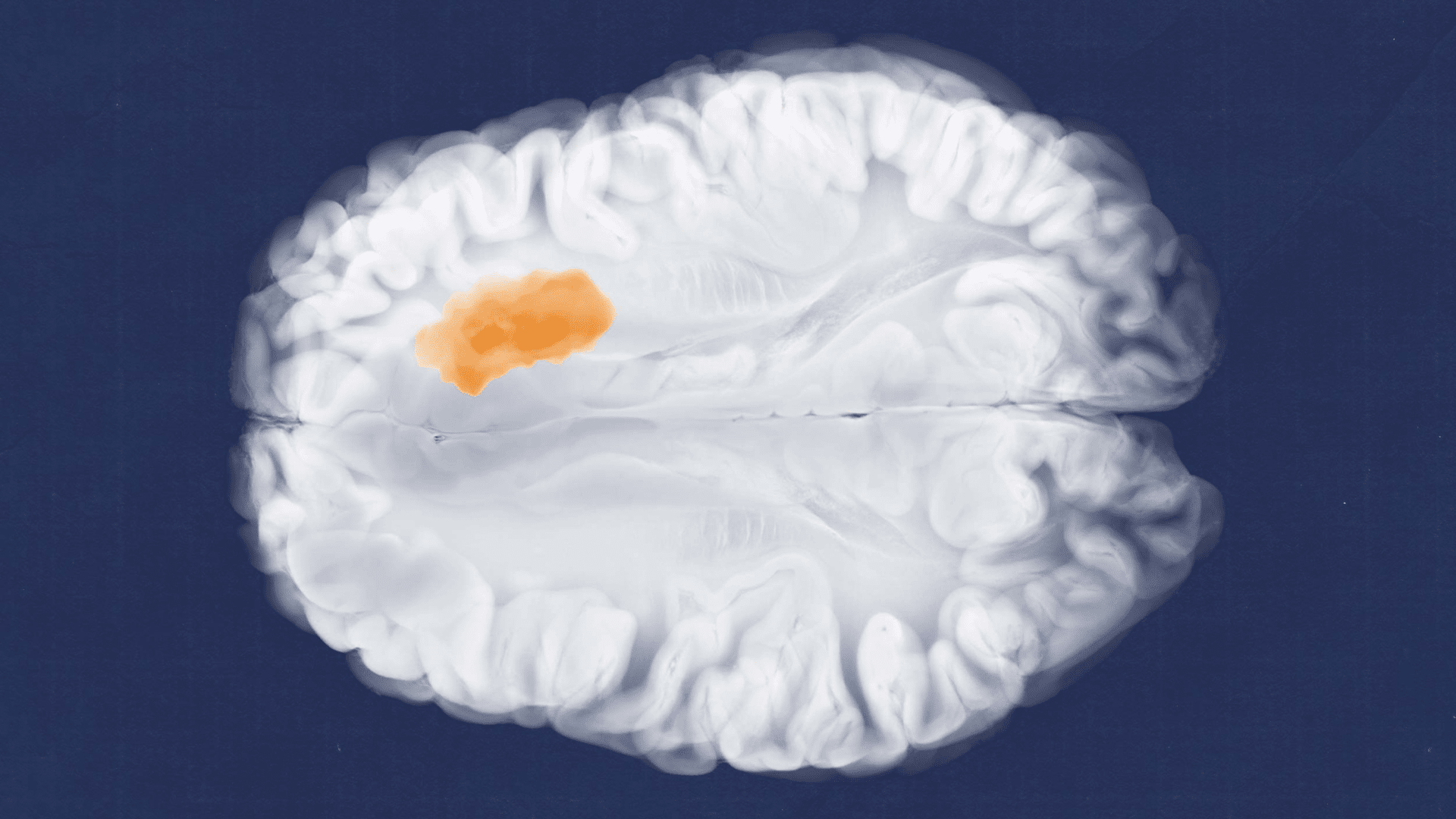
Glioblastoma is an aggressive form of brain cancer. Most people diagnosed with it only live about 15 months, and because the cancer spreads through brain tissue, surgeons can rarely get it all. Current options like chemo and radiation often only add a few months to a person’s life.
Back in 2020, UVA researcher Hui Li identified a gene called AVIL. Normally, this gene helps cells keep their shape. However, when it goes into overdrive, it causes cancer cells to form and spread. Interestingly, the protein this gene makes is almost never found in healthy brains, but it shows up in huge amounts in glioblastoma patients.
“Glioblastoma is a devastating disease. Essentially, no effective therapy exists,” said Li. “What’s novel here is that we’re targeting a protein that (glioblastoma) cells uniquely depend on, and we can do it with a small molecule that has clear in vivo activity.”
Advertisement
Li added, “To our knowledge, this pathway hasn’t been therapeutically exploited before.”
Finding the Right Fit
The big challenge wasn’t just finding the gene, but finding a way to stop it that could actually work in a human body. Using a process called high-throughput screening, the team tested a massive number of compounds to see if any could block the protein.
They eventually found a small molecule that does the job. It’s able to cross the blood-brain barrier, a huge hurdle for most medicines, and it could eventually be taken as a simple pill. In tests with mice, the molecule shut down the cancer without causing bad side effects.
There is still a lot of work to do. The team needs to refine the molecule and make sure it’s safe for humans before the FDA can approve it. But the researchers are optimistic because they are attacking the cancer’s core.
“Glioblastoma patients desperately need better options. Standard therapy hasn’t fundamentally changed in decades, and survival remains dismal,” Li said. “Our goal is to bring an entirely new mechanism of action into the clinic – one that targets a core vulnerability in glioblastoma biology.”
 Read Exclusive Stories
 Bookmark & Save Articles For Later