The UK is looking to change how it powers heavy industry and tech hubs by leaning into a new generation of nuclear energy. The government recently shared a new plan to help private companies build smaller, faster, and more versatile reactors across the country.
These aren’t your typical massive power plants. Instead, “advanced modular reactors” are built in sections in factories and then shipped to where they’re needed. This makes them cheaper and quicker to set up than the giant stations we’re used to.
Powering data and factories
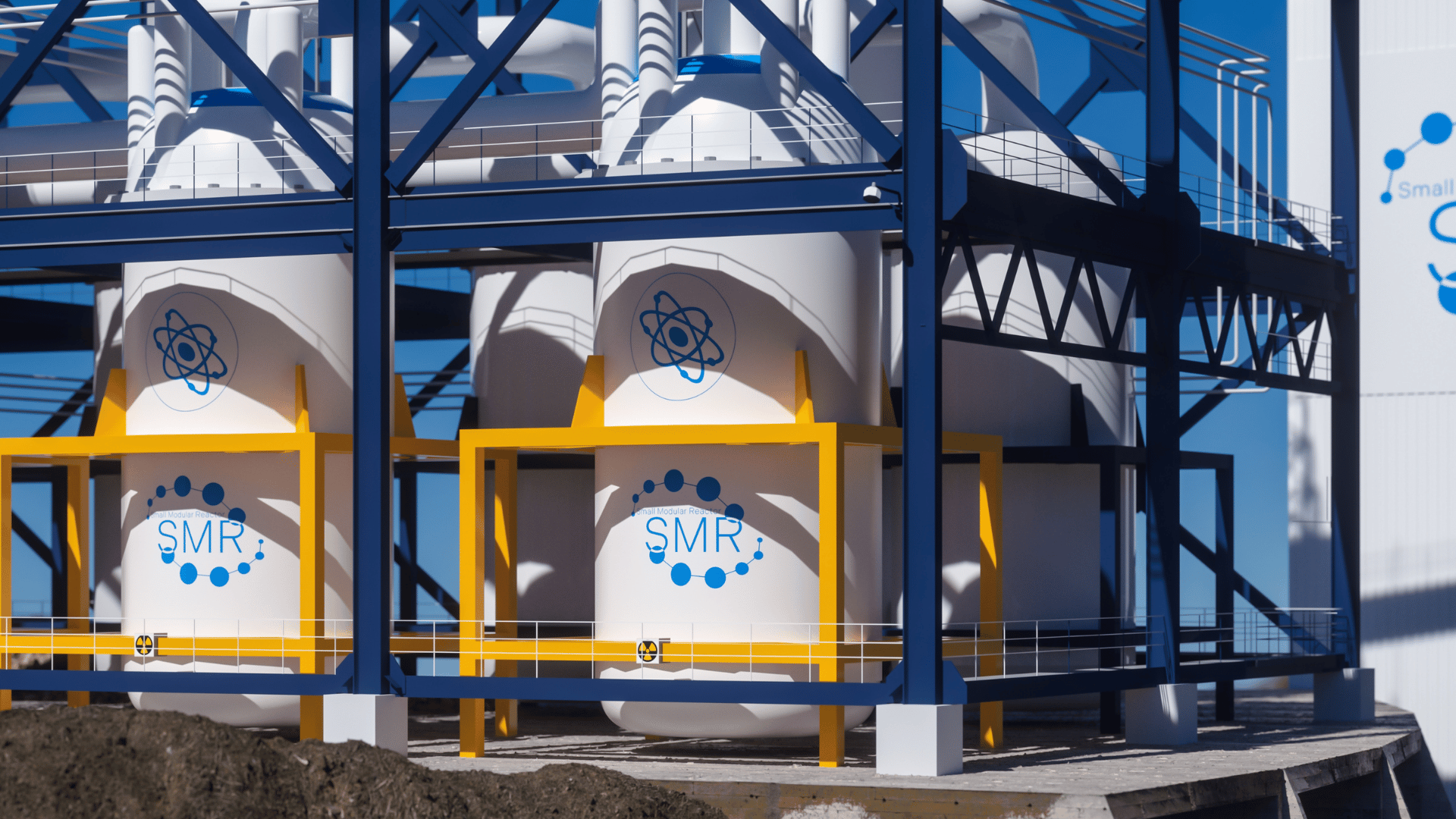
One of the biggest goals here is to keep up with the massive amount of electricity needed for AI data centers and big factories. For example, there are already plans for 12 of these reactors in Hartlepool and others at a former coal plant in Nottinghamshire. Because these reactors run at very high temperatures, they don’t just make electricity. For example, they also produce extra heat that factories can use for their own manufacturing processes.
“Advanced nuclear technology could revolutionise how we power industry and propel the AI data centre boom – delivering more clean energy and jobs,” said Minister for Nuclear Patrick Vallance. “We are seizing the opportunity to become a frontrunner in this space as part of our golden age of nuclear, creating the conditions for the industry to flourish.”
Advertisement
Making it easier for investors
Building any kind of nuclear plant is expensive and complicated. To help, the government is setting up a “concierge-style” service to guide companies through the rules on planning and fuel. Starting in March, developers can submit their ideas to join a “pipeline” of projects that the government will officially back.
While the money is expected to come from private investors, the government is offering some safety nets. This includes things like revenue support once a plant is running and protections against rare, high-cost risks.
“This government is delivering the largest investment in nuclear power in a generation to create new jobs and to drive economic growth right across the UK,” Lord Livermore, Financial Secretary to the Treasury, said. “The plans we have published today will provide investors with the long-term confidence they need to back advanced nuclear technologies here in Britain.”
If all goes to plan, the first of these advanced reactors could be up and running by the mid-2030s.
 Read Exclusive Stories
 Bookmark & Save Articles For Later