Eli Lilly announced that it is heading to Fogelsville, Pennsylvania. The company plans to spend over $3.5 billion to build a brand-new manufacturing plant in the Lehigh Valley. This huge site will focus on making injectable medicines and devices, specifically for next-generation weight-loss treatments.
Additionally, the project aims to benefit the local economy. For example, when construction begins, projected for 2026, it will create about 2,000 jobs just to get the building up. Once the doors open in 2031, Lilly expects to hire 850 people, including scientists, engineers, and lab technicians.
“Our mission starts with patients and delivering the medicines they need. To meet increasing demand, we’re expanding our U.S. manufacturing network, with Lehigh Valley adding capacity for next‑generation weight-loss medicines,” said David A. Ricks, Lilly chair and CEO. “We’re creating high‑quality jobs and collaborating across the region—with suppliers, educators, and workforce‑development partners, to make critical medicines in the U.S.
“That’s our commitment, to patients, to our new Pennsylvania home, and to our country.”
Why Did Lilly Choose Fogelsville?
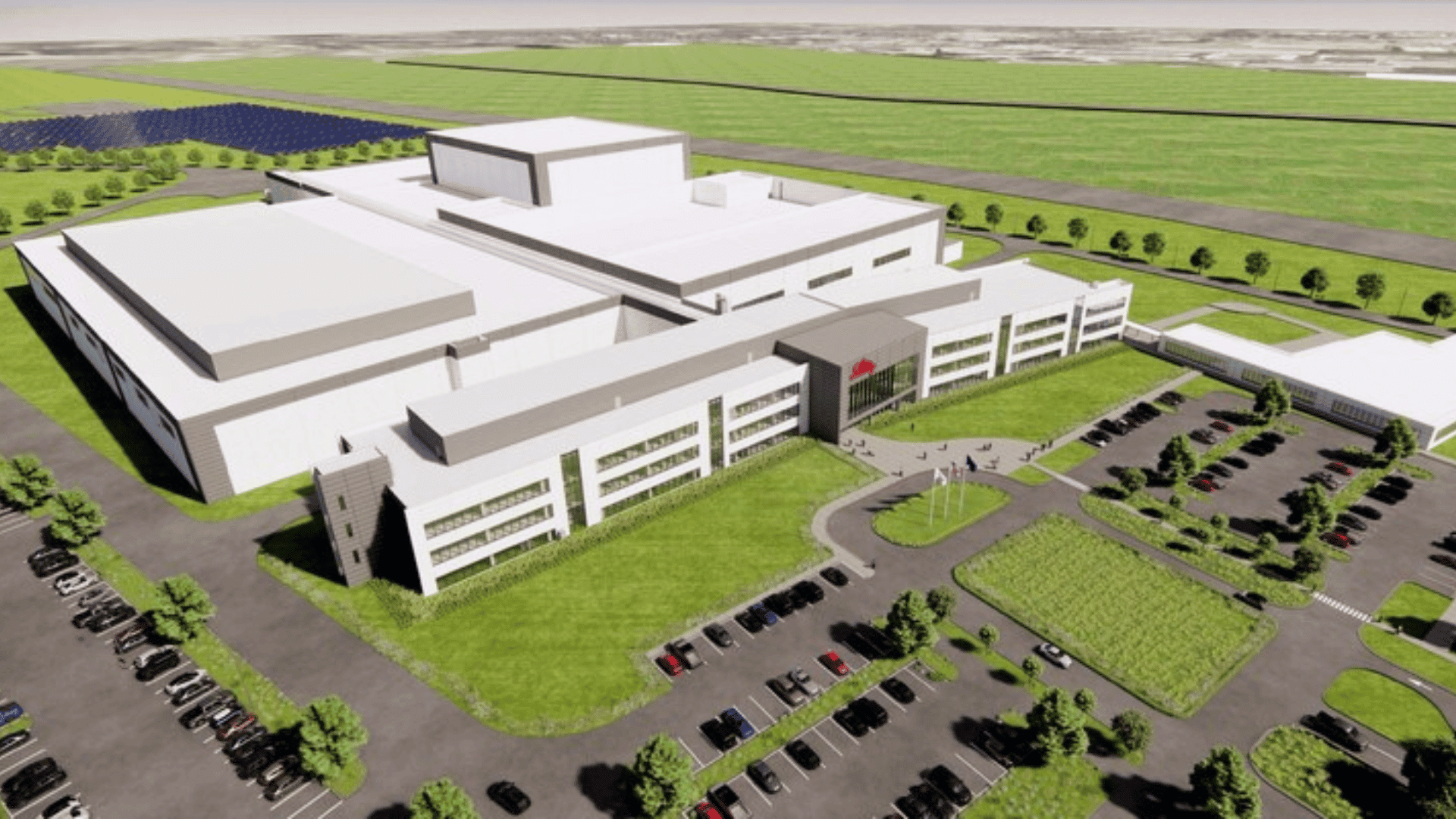
Out of more than 300 possible locations, Lilly chose the Lehigh Valley. The company pointed to the area’s history in manufacturing and its proximity to universities. Basically, the talent and the infrastructure were already there, making it an easy choice.
Additionally, Lilly plans to use things like AI and machine learning to keep an eye on production and make sure the medicine supply stays steady. But it’s not all about the machines. The company is also teaming up with local colleges to help train the next generation of workers.
“Lilly Lehigh Valley, our newest injectable medicine and device manufacturing facility, will increase access to next-generation weight-loss treatments and improve the domestic supply of essential medicines for current and future patients,” said Edgardo Hernandez, executive vice president and president of Lilly Manufacturing Operations.
“Our investment here is more than just building a facility; it’s about building a shared future with the people and communities of the Commonwealth,” Hernandez added.
 Read Exclusive Stories
 Bookmark & Save Articles For Later