As we move into 2026, the technology landscape is shifting from “experimentation” to “action.” The past few years have been defined by chatbots that answer questions. 2026, however, will be defined by systems that actually do the work. As we approach the new year, it’s a good opportunity to explore the technological advancements that people should keep an eye on in 2026.
Agentic AI & Autonomous Workflows
Agentic AI is a step above the typical AI agents with which the general public is familiar. Ultimately, agentic AI is what drives autonomous technology and workflows. Unlike chatbots, agentic AI models reason, plan, and execute multi-step workflows independently. In enterprise environments, these capabilities can support workflows connected to platforms such as a maximo system, where AI helps analyze maintenance data and coordinate tasks across multiple processes.
Looking forward, future implications suggest that completely autonomous AI agents will be ready to serve as “Digital Employees.” For example, the autonomous AI technology could manage itineraries, coordinate supply chains, or handle customer disputes without human intervention.
Physical AI and Domestic Robots

Advertisement
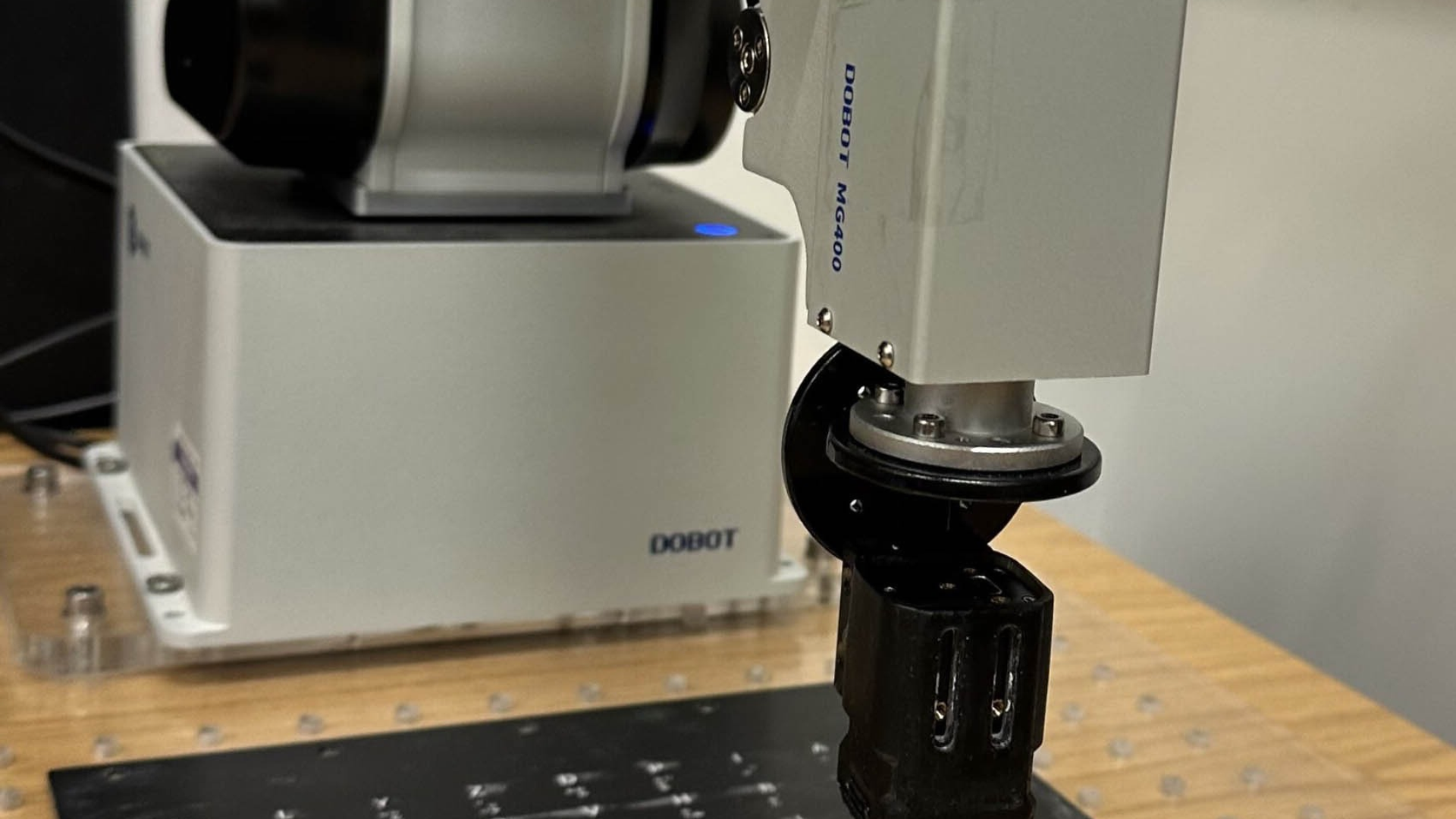
AI chatbots and agentic AI will continue to be implemented in physical robots. In 2025, robotic technology soared to new heights. However, in 2026, that technology will continue to be refined for domestic and household use.
Experts expect domestic robots to be truly capable of specific household chores. For example, robots could soon do more than vacuum the floor. Instead, robot assistants could recognize and pick up toys, assist in folding laundry, or stack dishwashers. As a result, families may start to view their appliances as functional members of the household instead of machines.
Digital Twins For Healthcare

Predictive digital twins are evolving from simple data-tracking tools into “living” simulations that allow doctors to test treatments on a virtual patient before a procedure. The technology integrates real-time sensor data with AI. Predictive digital twins in healthcare are transitioning from experimental labs to clinical practice and are expected to continue evolving in 2026.
Across the U.S., hospitals are actively piloting “digital twin” and virtual patient programs. The Cleveland Clinic, for example, has integrated “whole body digital twin” technology for patients with type 2 diabetes. At Mount Sinai Health System in New York, the organization is enrolling 1,000 people to build a comprehensive digital health profile. The goal is to create a virtual body where doctors can detect changes months or even years in advance.
 Read Exclusive Stories
 Bookmark & Save Articles For Later