When you look at a jet engine, “LEGO” probably isn’t the first thing that comes to mind. However, researchers at NIST have used LEGO brick properties to improve airplane fuel efficiency. Jet engine components reach extreme heat levels, so the engines must dissipate this heat to remain effective.
The means of dissipating the heat from the engine includes channels within the component. These channels are typically smooth, but engineers found that this is not the best way to dissipate heat. By studying how LEGO bricks’ studs interact with other LEGO bricks, engineers developed ways to use similar geometric shapes in engine components to allow air to flow efficiently through them.
The Physics of the Stud
Advertisement
The bumps on LEGO bricks create a specific type of turbulence. This turbulence allows the air within the engine to effectively interact with the hot components, improving heat dissipation. Using these types of design elements allows airplane engines to dissipate heat more effectively while using less air to do so.
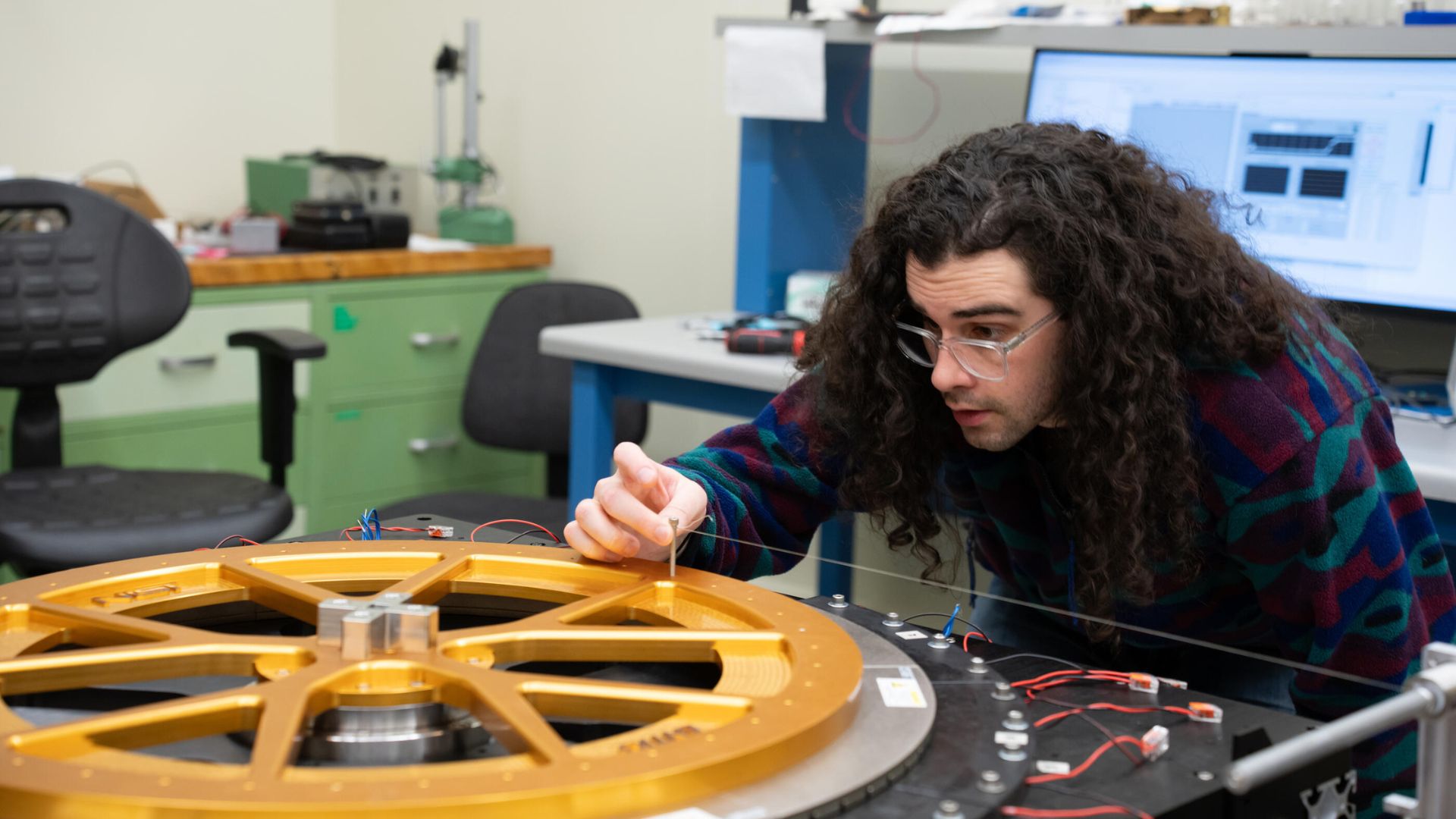
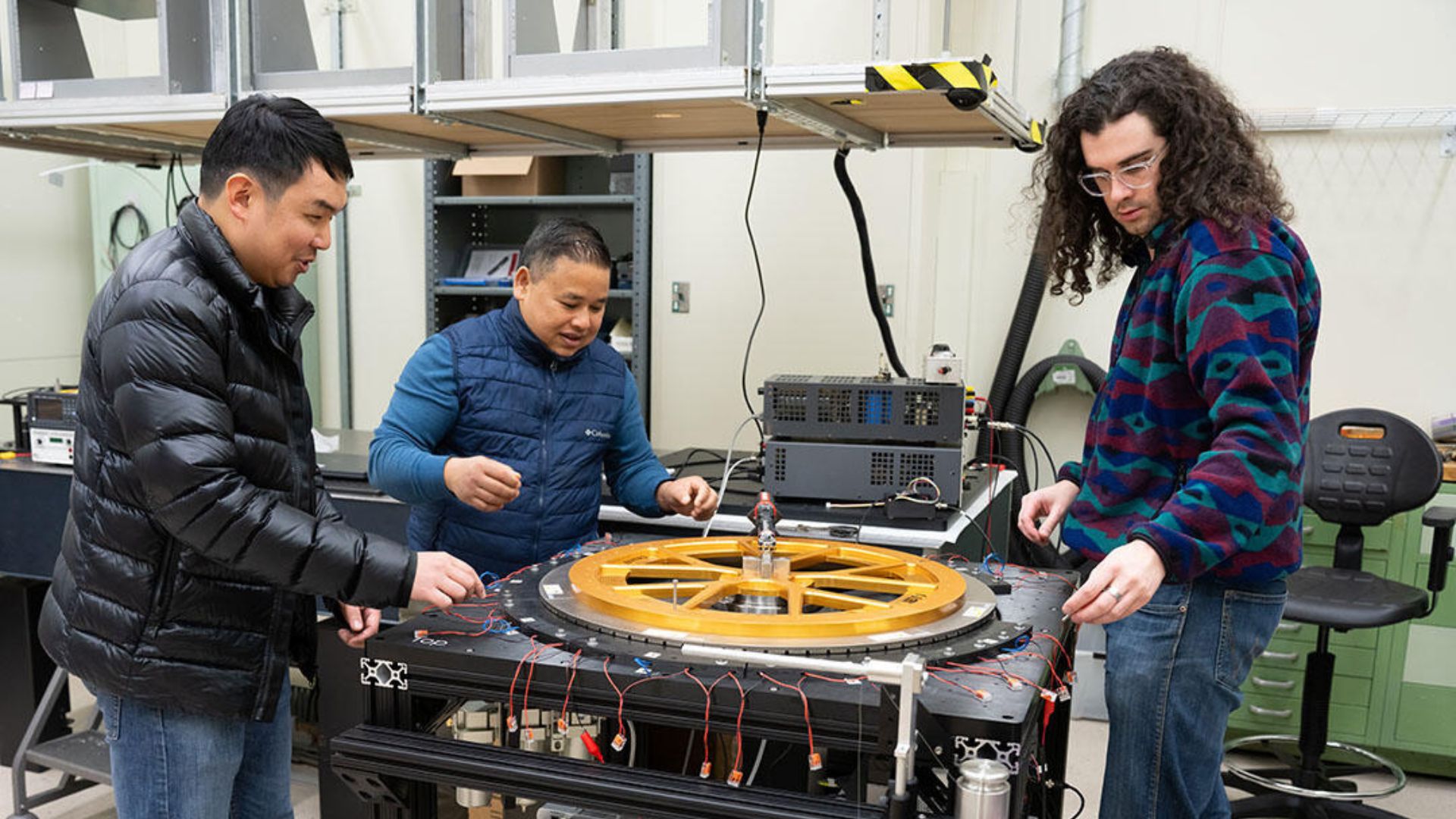
This ultimately saves money and improves the sustainability of the aviation industry as less fuel would be used. In addition to fuel efficiency, the engineers at NIST have also developed tools that use these same principles. For example, the Electronic NIST Torque Realizer (ENTR) is a device that helps engineers tighten airplane bolts. The device is small enough to use in airplane hangars rather than large laboratories.
Currently, engineers have to estimate when bolts should be tightened on airplanes. However, with precise ENTR measurements, engineers no longer need to estimate how tight each bolt should be. This could allow engineers to use fewer bolts to hold the airplanes together, since fewer components would be needed to account for potential inaccuracies in specifications. Using fewer bolts allows airplanes to be lighter, improving their fuel efficiency. Therefore, the fuel efficiency of airplanes and other transportation technologies can be improved with simple toys such as LEGO bricks.
 Read Exclusive Stories
 Bookmark & Save Articles For Later