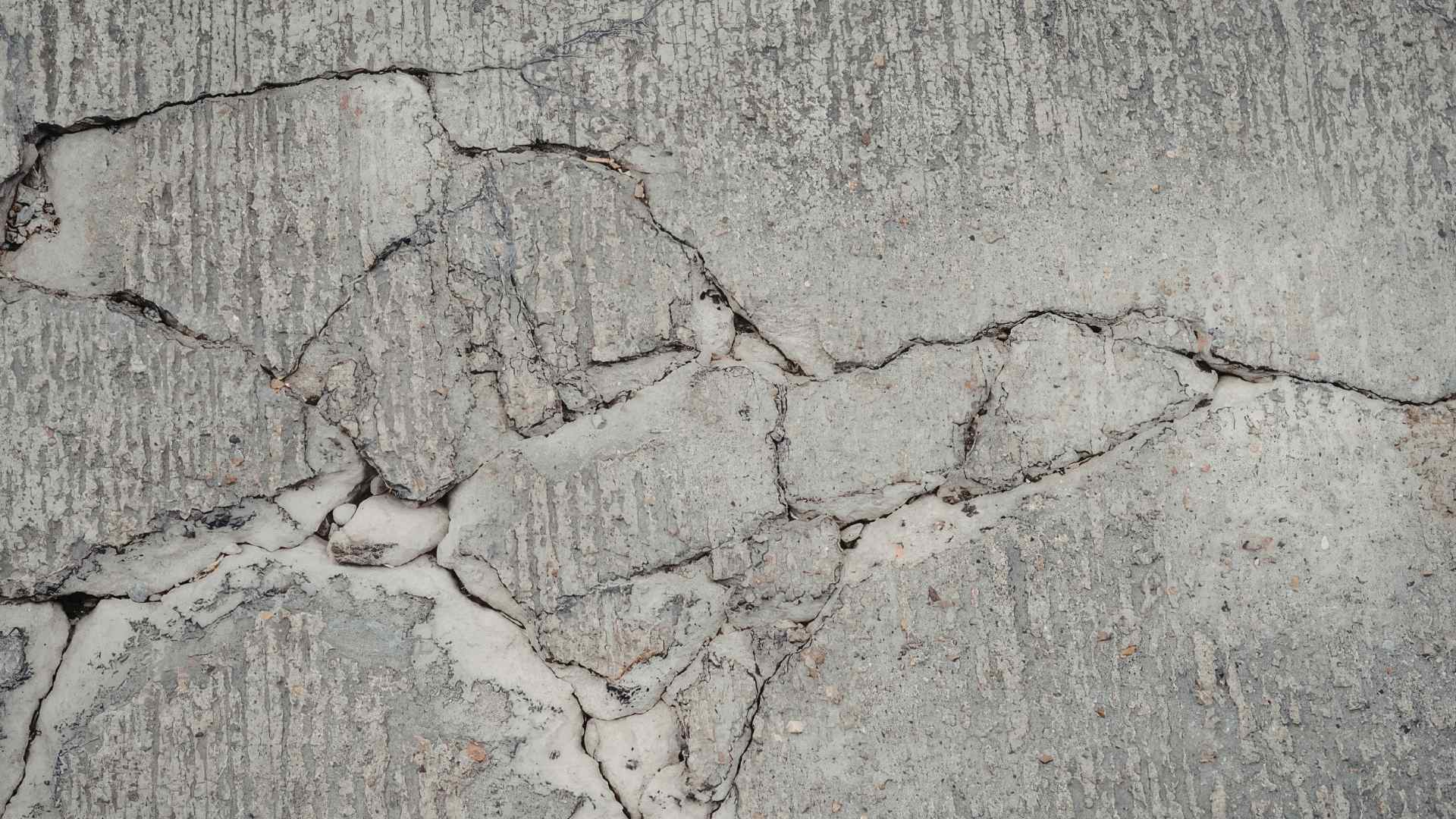
If you look at any sidewalk or bridge, you’re going to see cracks. It’s just what happens to concrete over time. Water gets in, the temperature changes, and the whole structure starts to fall apart. Usually, the only way to fix it is to send out a crew with a jackhammer and start over. But engineers are working on a way to make concrete act more like a living organism that can fix its own “wounds.” It’s called bio-concrete.
The Secret Ingredient
The trick isn’t a new chemical or a fancy plastic. It’s actually bacteria. Scientists are mixing specific types of microbes—usually Bacillus—directly into the concrete mix. These little guys are incredibly tough. They can survive for decades inside the dry, alkaline environment of a concrete slab without food or oxygen. They basically go into a deep sleep, waiting for something to happen.
How the Healing Happens
Advertisement
Here’s the thing: those bacteria only wake up when a crack forms. When a gap opens up in the concrete, rainwater and moisture seep in. That water is like an alarm clock for the bacteria. Once they wake up, they start eating the nutrients mixed into the concrete along with them (usually calcium lactate). As they digest their “food,” the bacteria produce limestone as a byproduct. This limestone grows and hardens, physically filling the crack from the inside out. In a few weeks, the gap will be sealed, and the concrete will be waterproof again. It’s like a scab forming on a cut.
Why We Need It
It’s hard to overstate how much money we spend fixing old infrastructure. Bridges and tunnels are expensive to maintain, and producing new cement is a major source of carbon emissions. If we can make a bridge last twice as long without needing major repairs, we save a massive amount of energy and money. But bio-concrete isn’t perfect yet. It costs more to make than regular concrete, so you probably won’t see it on every driveway anytime soon. There are also questions about how many times a single area can “heal” before the bacteria run out of food. However, for big projects like subway tunnels or highway pillars, where repairs are a nightmare, the extra upfront cost makes a lot of sense.
A Greener Build
This is a great example of how STEAM is moving toward biology. Instead of fighting nature with stronger chemicals, we’re using natural processes to do the heavy lifting. We’re moving away from a world where everything we build is “dead” and moving toward cities that can actually take care of themselves. By studying how simple bacteria survive in harsh environments, we’re finding ways to build roads and bridges as resilient as the world around them. It’s a simple shift in how we think about production, but it could change the way our cities look—and last—for a long time.
 Read Exclusive Stories
 Bookmark & Save Articles For Later