A team from St. Olaf College and Syracuse University built a computer that works without electricity or batteries.
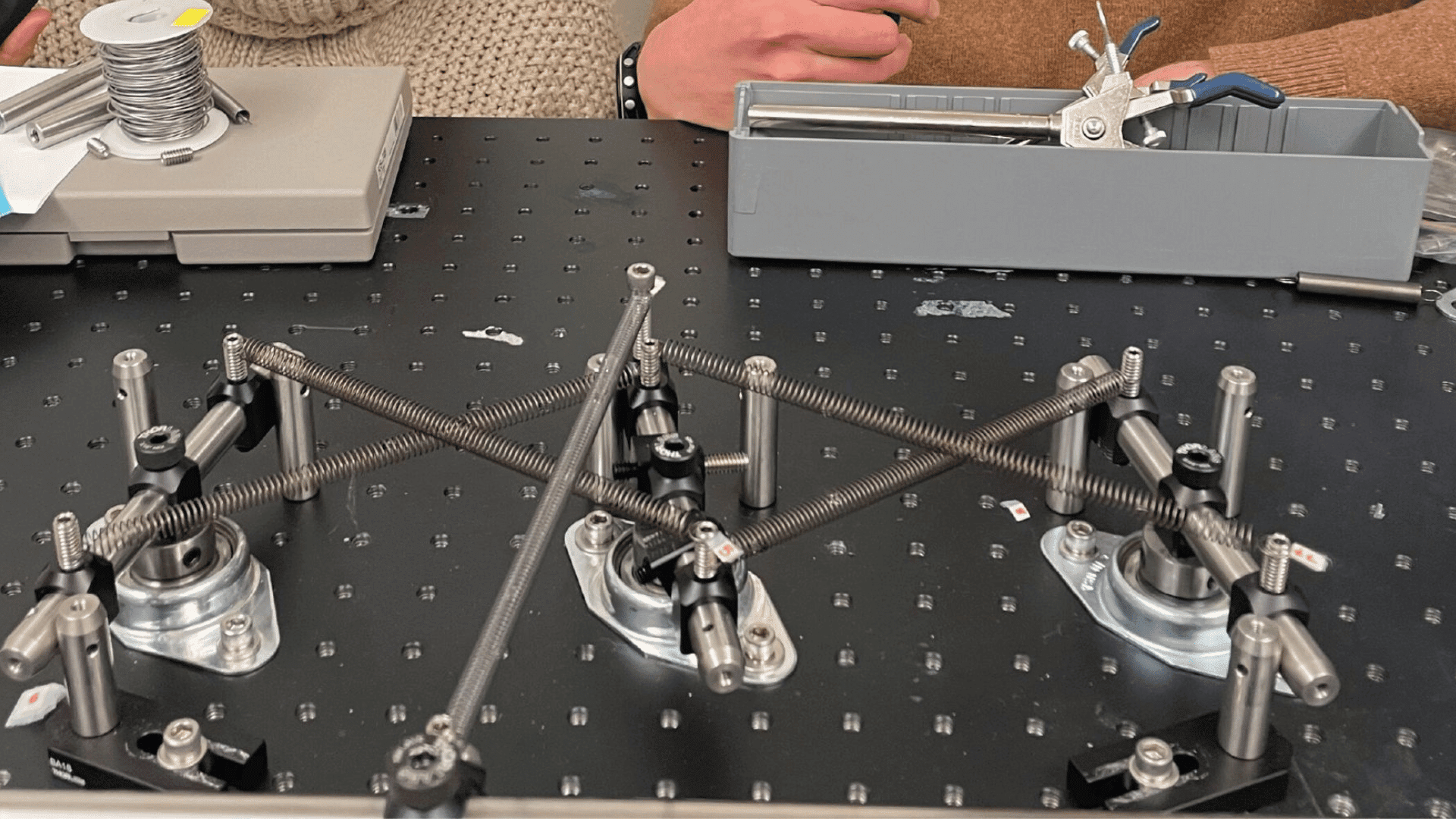
Instead of silicon chips and wires, this machine uses mechanical parts like steel springs and bars. It doesn’t need to be plugged in because it gets its energy from physical force, which is the act of pushing or pulling, providing the power it needs to “think.”
“We typically think of memory as something in a computer hard drive, or within our brains,” said St. Olaf College Associate Professor of Physics Joey Paulsen. “However, many everyday materials retain some kind of memory of their past—for example, rubber can ‘remember’ how far it has been squeezed or stretched in the past. The research team wanted to understand if we could use everyday materials to not only remember movement but also process information––or compute.”
A Computer Without Electricity
Advertisement
The team built three different versions to show what these mechanical systems can do. One counts how many times it has been pulled, and the other can tell the difference between being pushed an odd or even number of times. The third can remember how much force was used on it. While these tasks are simple, they prove that you don’t always need a high-tech chip to solve a problem.
“We now have a rational way of building these machines that can perform simple computations without a computer chip or a power source,” Paulsen said.
This design is perfect for places where regular electronics would fail. Think of extreme temperatures or areas filled with corrosive chemicals that would fry a standard laptop. Beyond just surviving harsh spots, this tech could lead to “smart materials” that react to their surroundings.
“Our results are one step towards designing materials that can sense their environment, make a decision, and then respond,” said Paulsen. “Frequently called smart materials, what we learned could help improve people’s lives by having more responsive artificial limbs or tactile rooms.”
 Read Exclusive Stories
 Bookmark & Save Articles For Later