On July 23, an Airbus A350-1000ULR test plane took off from Toulouse, France, and flew straight to Melbourne, Australia. A few days later, it flew all the way back. That return trip took 24 hours and 24 minutes and covered 12,460 nautical miles. It was the longest flight this aircraft has ever made.
Airbus called the trip a development flight test. The main goal was to prove the plane could handle a 23-hour trip from gate to gate. This matches the needs of Qantas for their upcoming “Project Sunrise” routes, which plan for almost 22 hours of flying time plus a buffer for delays.
Testing the Limits
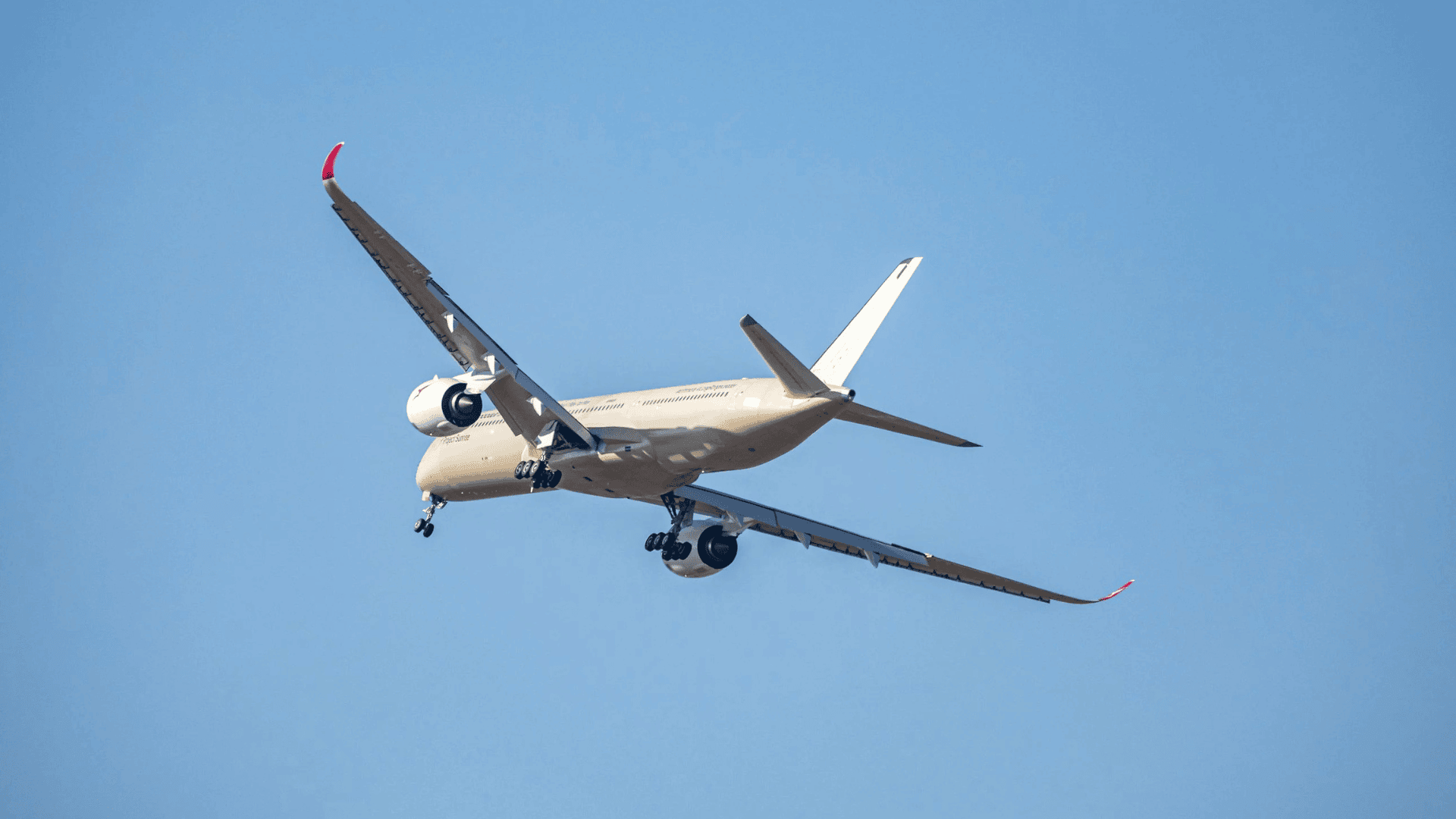
To make longer flights possible, the plane has an extra fuel tank in the back that holds 20,900 liters. This lets the aircraft fly nearly 10,000 nautical miles. The crew also needed to test the air conditioning and fuel systems.
Airbus Test Pilot Xavier Pepin captained the massive return flight. “Whilst we have already demonstrated much of the RCT’s functionality earlier in the flight test campaign, we finalized some remaining test points in these long range flights,” Pepin explained. “So we filled this tank to validate all necessary parameters during the mission, making this, along with cabin comfort, the primary focus of our testing.”
Advertisement
He continued, “During the first leg we also made use of the time (the flight lasted approximately 20 hours) to stabilize various air temperature settings to ensure accurate measurements. So while much of the testing goals were already tackled on the outward leg, the second leg addressed any backup test points that were not completed during the first leg.”
Flying and Sleeping
The crew also tested a new rest area just for the pilots. It has two separate sections with their own doors, allowing pilots to come and go without waking each other up.
The return trip had five pilots on board, including Pepin, two other Airbus pilots, and two guest pilots from Qantas. They were joined by five engineers who monitored the systems from the cockpit and the main cabin.
For the trip back to France, they took a northern route across the Pacific, over the US and Canada, and south of Greenland. They chose this path to avoid normal airline routes and stay clear of air traffic control mix-ups.
 Read Exclusive Stories
 Bookmark & Save Articles For Later