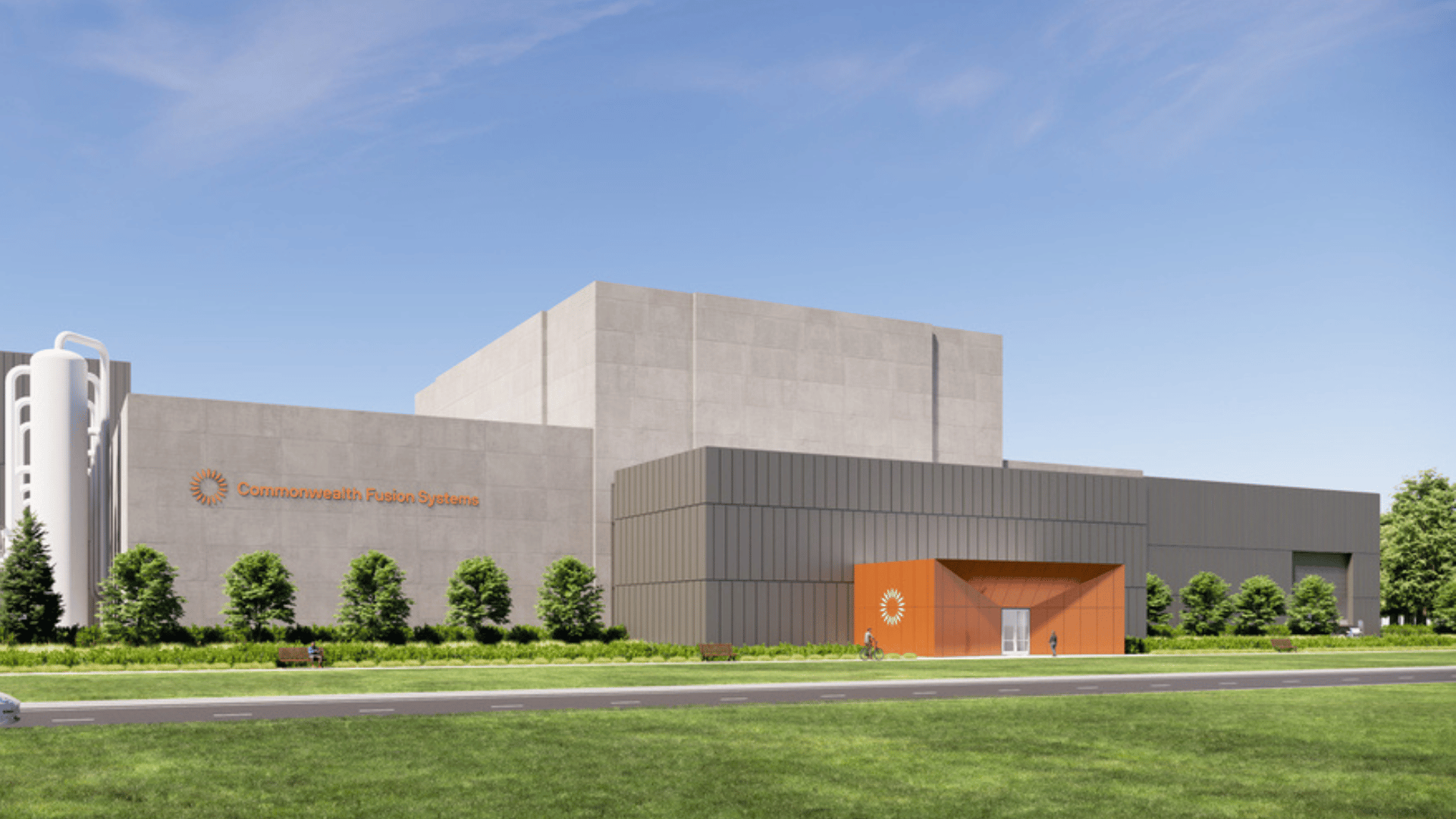
A technology company and a research university are teaming up to turn industrial waste into valuable materials. ElementUSA, working with the Colorado School of Mines, recently won a $67 million award from the U.S. Department of Energy (DOE). The money will fund a new facility in St. John the Baptist Parish, Louisiana, to process rare earth elements.
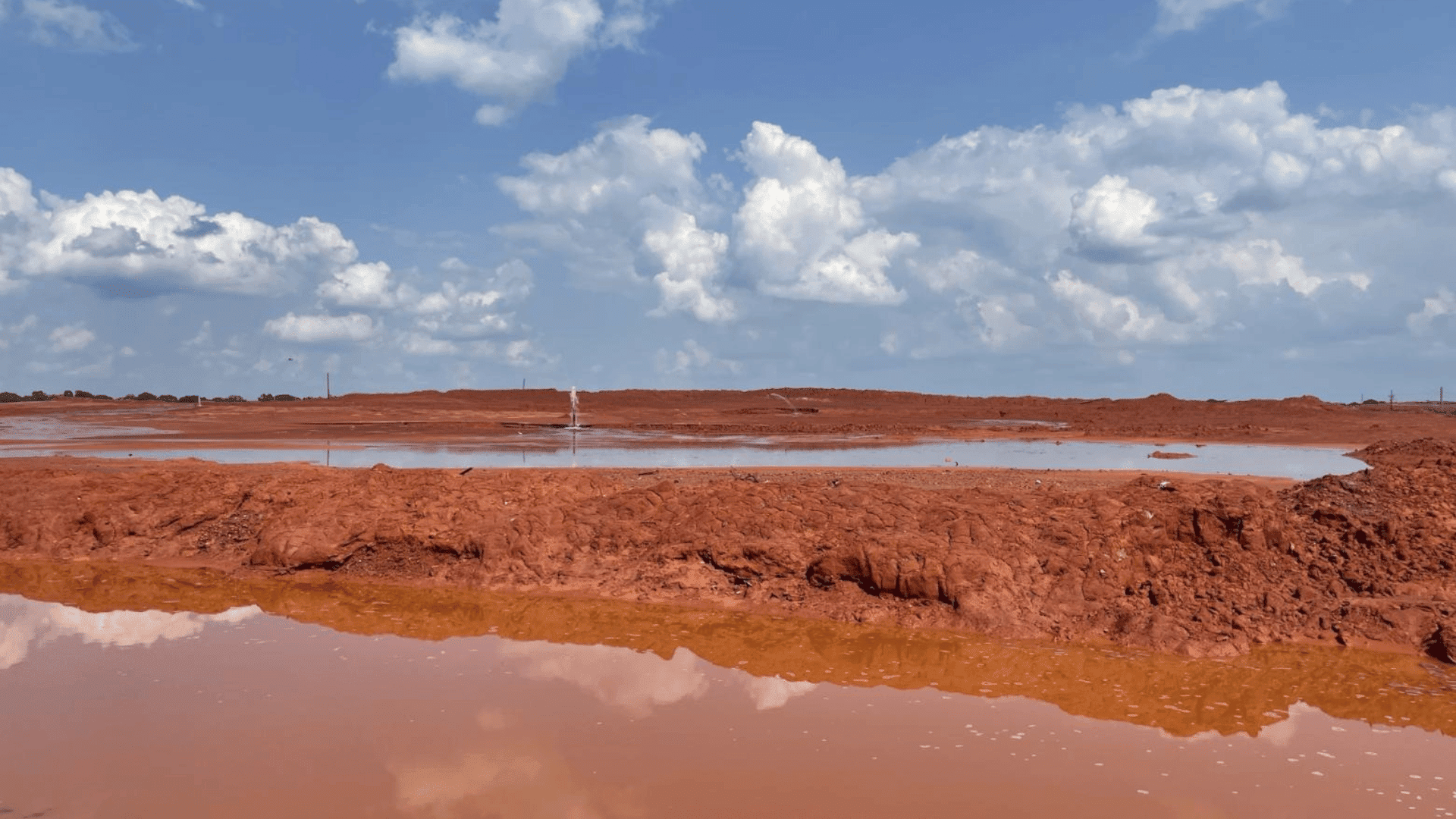
These elements are hard to find but necessary for making items like semiconductors and advanced electronics. Right now, the U.S. relies heavily on outside nations for these resources. This project aims to change that by pulling the minerals directly out of bauxite residue, which is the leftover mud created when refining alumina.
“We are honored to receive the Department of Energy‘s support and to partner with Colorado School of Mines on this important initiative,” said Ellis Sullivan, Chief Executive Officer of ElementUSA. “This project represents a significant step toward establishing a new domestic source of critical minerals and rare earth elements essential to advanced manufacturing, semiconductors, energy systems and national security.
Mining the Mud for Rare Earth Elements
Advertisement
Sullivan added, “By combining Colorado School of Mines’ world-class expertise with ElementUSA’s commercial development platform, we are advancing a practical pathway to recover strategic materials from bauxite residue at commercial scale while strengthening America’s critical mineral supply chains and transforming an underutilized industrial waste stream into a nationally strategic resource.”
Instead of digging new holes in the ground, the Louisiana facility will process existing industrial waste. ElementUSA has exclusive access to a waste site holding roughly 34 million tons of bauxite residue. At full scale, this single pile could supply anywhere from 45% to 385% of what the country needs each year for key materials like gallium, scandium, and yttrium.
The company expects to spend around $1.1 billion to build out the full-scale site, which will eventually process 1 million tons of waste material every year. This approach handles a massive pollution challenge while yielding pig iron and more than a dozen rare earth metals.
The technology team plans to break ground on the first phase of construction in Louisiana later this month.
 Read Exclusive Stories
 Bookmark & Save Articles For Later