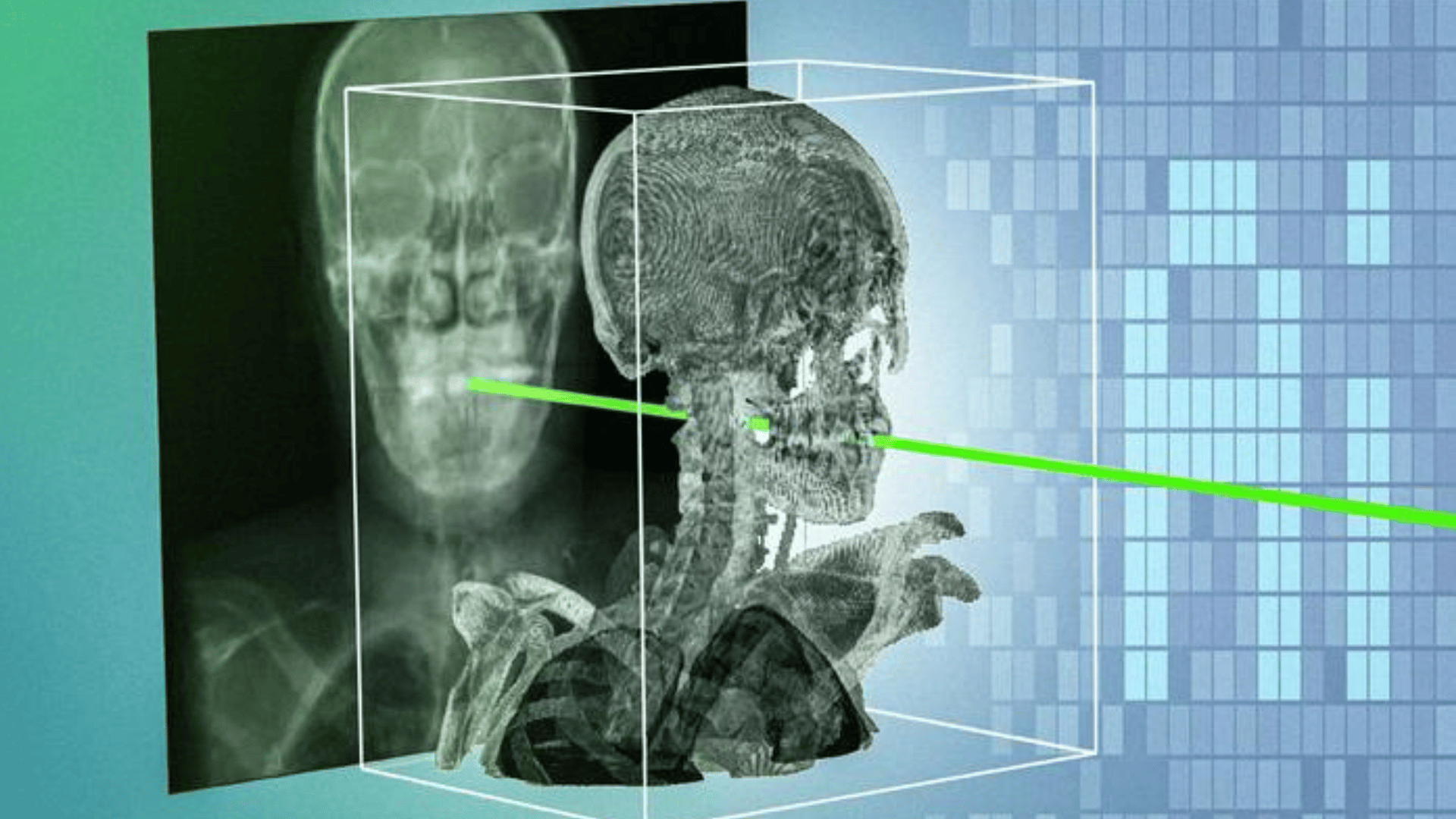
Treating skin cancer sometimes involves a method called photodynamic therapy, which involves a special drug and a specific type of light. When the light hits the drug, it destroys the cancer cells.
However, the problem is that both the drug and the light have to reach the exact same spot in the tissue. Creams don’t always soak in very deep and light loses its strength as it tries to pass through the skin. As a result, doctors can usually only treat shallow spots.
A Microneedle Solution
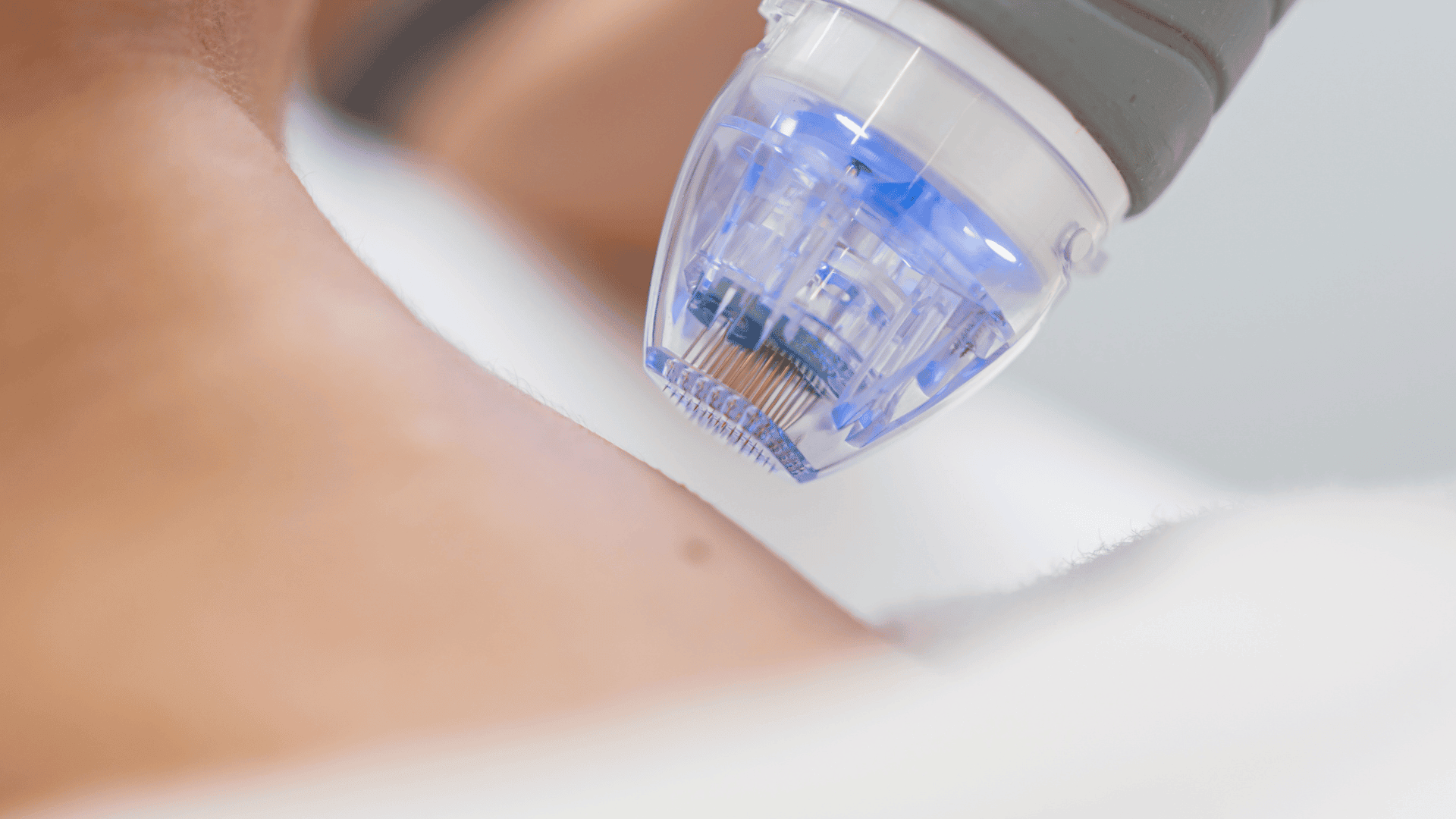
A team of scientists from Texas A&M University and the University of São Paulo recently published a study in the Journal of Biomedical Optics. They looked at dissolving microneedles to see if they could help.
Microneedles are painless little spikes smaller than a millimeter made of materials that just melt away into your skin after they are inserted. Researchers already knew these needles were great at pushing the cancer drug deeper than standard creams. Doctors wanted to go even further to see if the needles could also help deliver the light.
Advertisement
The team made hundreds of tiny, pyramid-shaped needles and shined a green laser on them. They took pictures from different angles to see where the light went.
Instead of the light just traveling in a straight line and fading out, the needles bounced it all over the place. The light came out of the needle tips in a wide, even pattern.
Good News for Cancer Treatment
This is really important for treating cancer because if the light isn’t spread evenly, some tissue doesn’t get treated. That means cancer cells can survive. By spreading the light in all directions, the microneedles make sure the drug activates exactly where it needs to.
Doctors might eventually use one set of needles for the drug and another for the light. Or they could use one single patch that does both jobs at once.
These tests were just done in a simple lab setup, not on real living tissue. So, researchers need to do more tests to see if it actually works this well in the real world.
 Read Exclusive Stories
 Bookmark & Save Articles For Later