Microplastics wash down drains every day from clothes, personal care products, and city streets. Wastewater plants catch a majority of the particles, but they were never built to eliminate them completely.
Researchers published a new review in Artificial Intelligence & Environment looking at studies from 2019 to 2026 to see if AI can help detect, remove, and manage this growing problem.
“Wastewater treatment plants provide an essential barrier against microplastic pollution, but removal does not necessarily mean elimination,” said corresponding author Konstantinos Tsamoutsoglou of the Technical University of Crete. “By combining reliable analytical measurements with artificial intelligence, treatment facilities could move from occasional monitoring toward faster, predictive, and more informed management.”
The Microplastic Problem
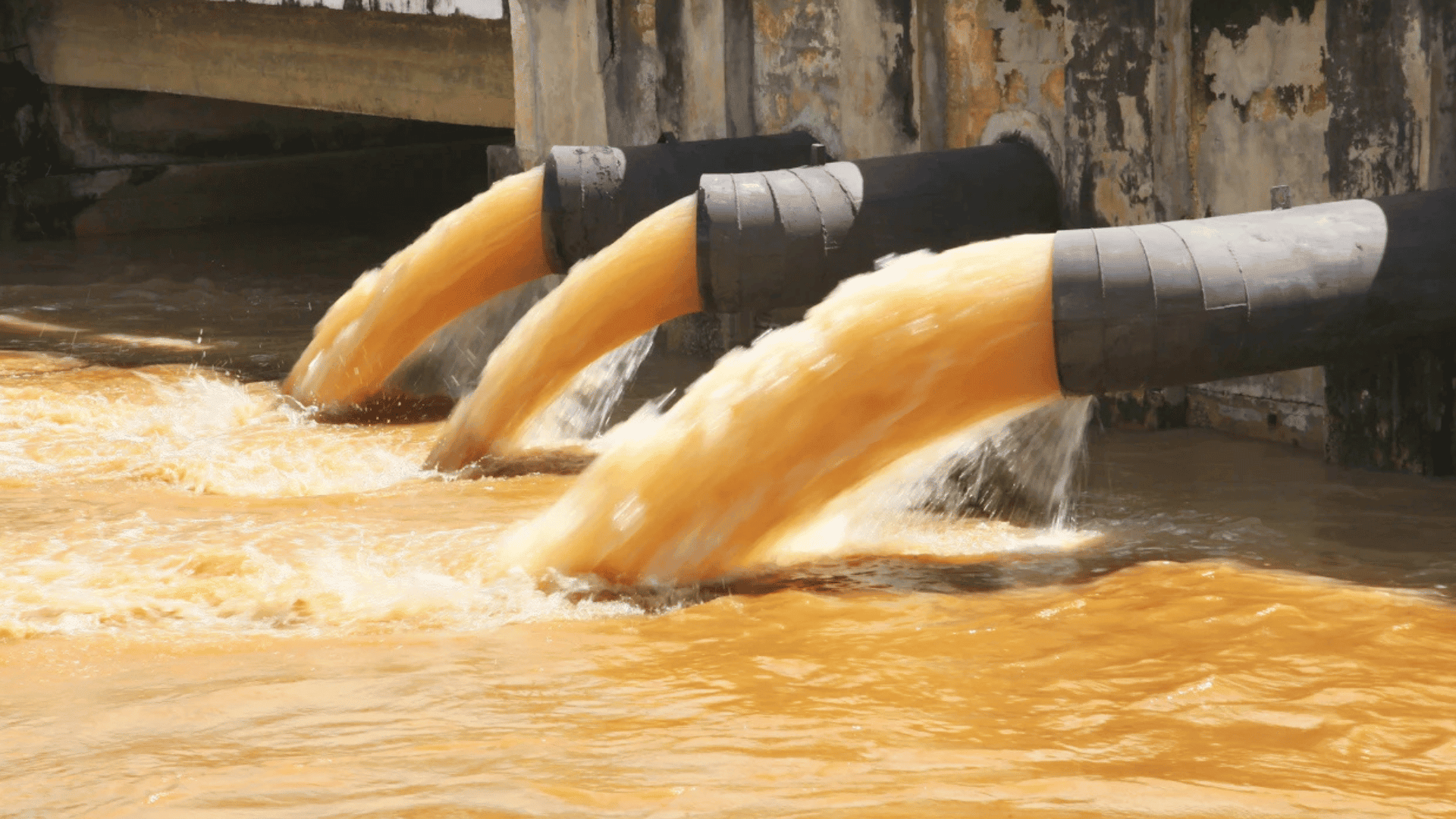
Treatment plants do a decent job at first. Typical plants are capable of catching about 72 percent of microplastics early on, and by the final stages, they can catch close to 94 percent. However, traditional facilities process trillions of gallons of water annually.
Advertisement
Even a tiny percentage of leftover plastic means millions of particles still wash into our lakes, rivers, and coastal waters. Anything smaller than 150 micrometers usually remains suspended and floats right through the conventional filters.
Between 60 and 80 percent of the plastics that do get caught just end up sitting in sewage sludge. Because this sludge is often reused as farm fertilizer, the plastic doesn’t get destroyed. Most of the time the plastic relocates from the water into our soil, plant roots, and terrestrial food webs.
Artificial Intelligence Helps
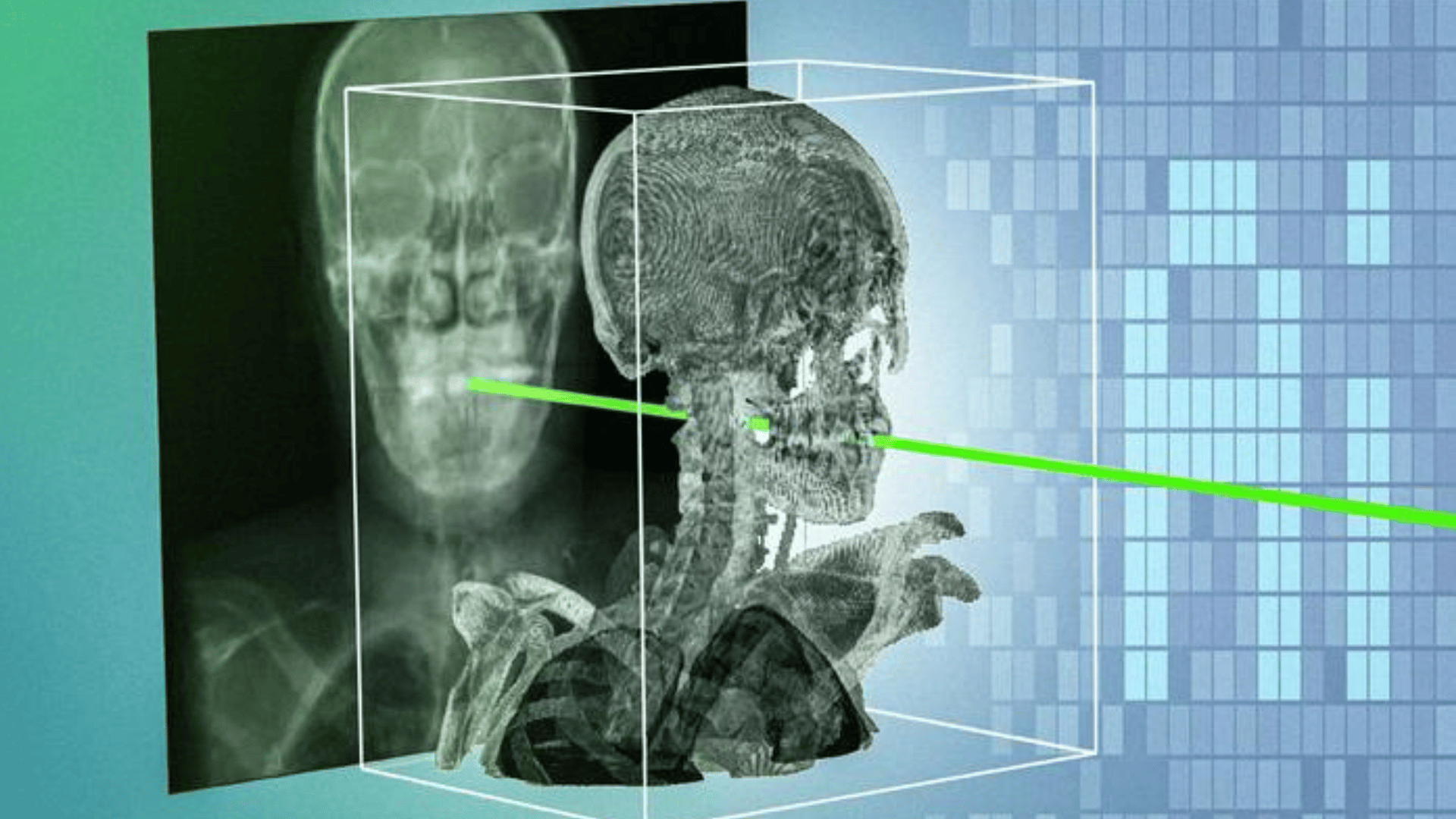
AI and computer vision systems can look at microscope images and automatically spot and classify plastic particles. This saves operators a lot of time and reduces human mistakes. Under controlled conditions, some of these models already classify particles with 85 to 95 percent accuracy.
Artificial intelligence can also take a look at operational data like water flow and dirt levels. The models can use this info to predict how well the plant is cleaning the water, find where the pollution is coming from, and help operators adjust their systems.
Most of these models were only trained on small lab samples. Real wastewater is much messier and more complex. Before the AI system can be used everywhere, scientists need to test these tools in full-scale plants and build larger, standardized datasets.
 Read Exclusive Stories
 Bookmark & Save Articles For Later