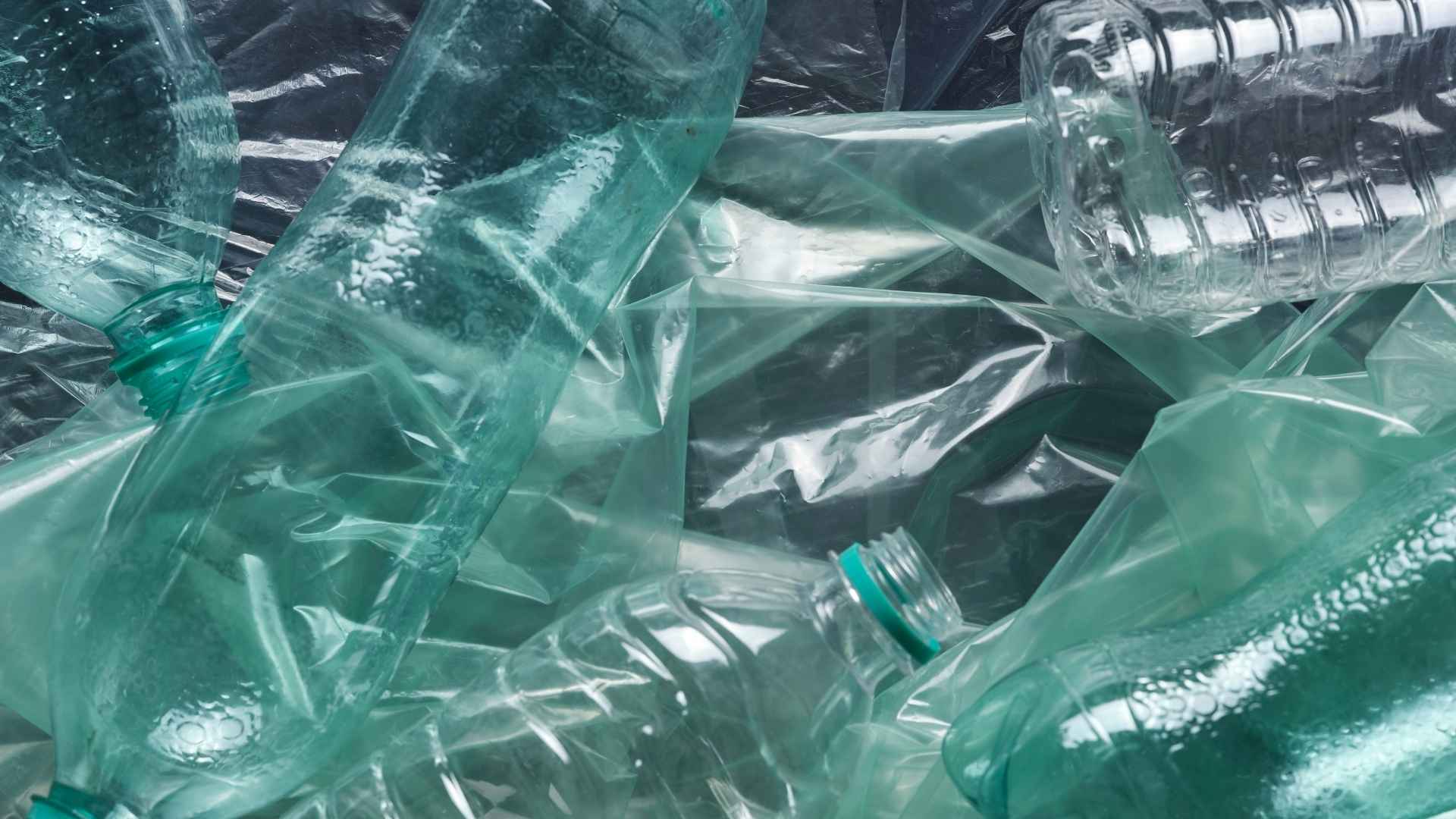
Walk into any grocery store, and you will see rows of plastic bottles. Most of them are made of PET, a synthetic material engineered to last for centuries. Because it is so tough, our planet is currently drowning in it. But in 2016, a team of Japanese scientists poking around a recycling yard in Sakai made a wild discovery. They found a brand-new species of bacteria that had figured out how to eat plastic.
The researchers named the microbe Ideonella sakaiensis. Over just a few decades of living surrounded by human trash, this tiny organism had evolved to treat plastic bottles like a buffet.
How a Microbe chews Plastic
Here is the science behind how it works. The bacteria secrete a special enzyme, which is basically a biological tool. This tool targets the rigid chemical bonds that give PET plastic its strength. The enzyme snaps those bonds apart, turning the hard plastic back into its original, basic building blocks. Once the plastic is broken down, the bacteria can absorb the remaining nutrients as energy.
Scientists were thrilled, but there was a catch. The natural bacteria worked incredibly slowly. It took a small colony about six weeks to dissolve a single thin film of low-grade plastic.
From a Slow Snack to Fast Recycling
Advertisement
To fix the speed problem, labs around the world started tweaking the bug’s biology. Researchers at the University of Portsmouth and the U.S. Department of Energy accidentally engineered a mutant version of the enzyme that breaks down plastic even faster. Later, they combined it with a second enzyme to create a two-part system that digests PET twice as fast.
This opened up a whole new way of thinking about recycling. Right now, when we recycle plastic, we typically just melt it down. Every time you melt plastic, it degrades, turning into a cheaper, weaker material. Eventually, it cannot be recycled and ends up in a landfill.
But biology changes that. By using these engineered enzymes in recycling plants, we can completely break down old plastic bottles into their pure, raw materials. Companies can then use those exact same liquids to create brand-new, high-quality bottles over and over again without losing any strength.
The Hurdles Ahead
We still have a long way to go before these bugs solve the problem of ocean pollution. You cannot just dump millions of genetically altered bacteria into the Pacific Ocean. If you did, they could disrupt local ecosystems, or they might just die off because the water is too cold for them to work effectively.
For now, the real future of this tech is inside controlled recycling facilities. A French company called Carbios has already built a demonstration plant that uses enzymes to recycle tons of plastic waste in just a few hours. It proves that while humans created the plastic mess, we can partner with nature’s smallest organisms to help clean it up.
 Read Exclusive Stories
 Bookmark & Save Articles For Later