Lithium-ion batteries are in our pockets, our laptops, and our cars. Despite how much we use them, we still haven’t found an efficient way to recycle them. Most of the time, the valuable metals inside, like lithium, cobalt, and nickel, go to waste because getting them out is slow, expensive, and involves harsh chemicals.
Researchers at Rice University have found a way to pull these metals out of old batteries using a simple, water-based solution. The best part is that it takes minutes instead of hours without using a massive amount of heat.
A Cleaner Way to Recycle Lithium-Ion Batteries
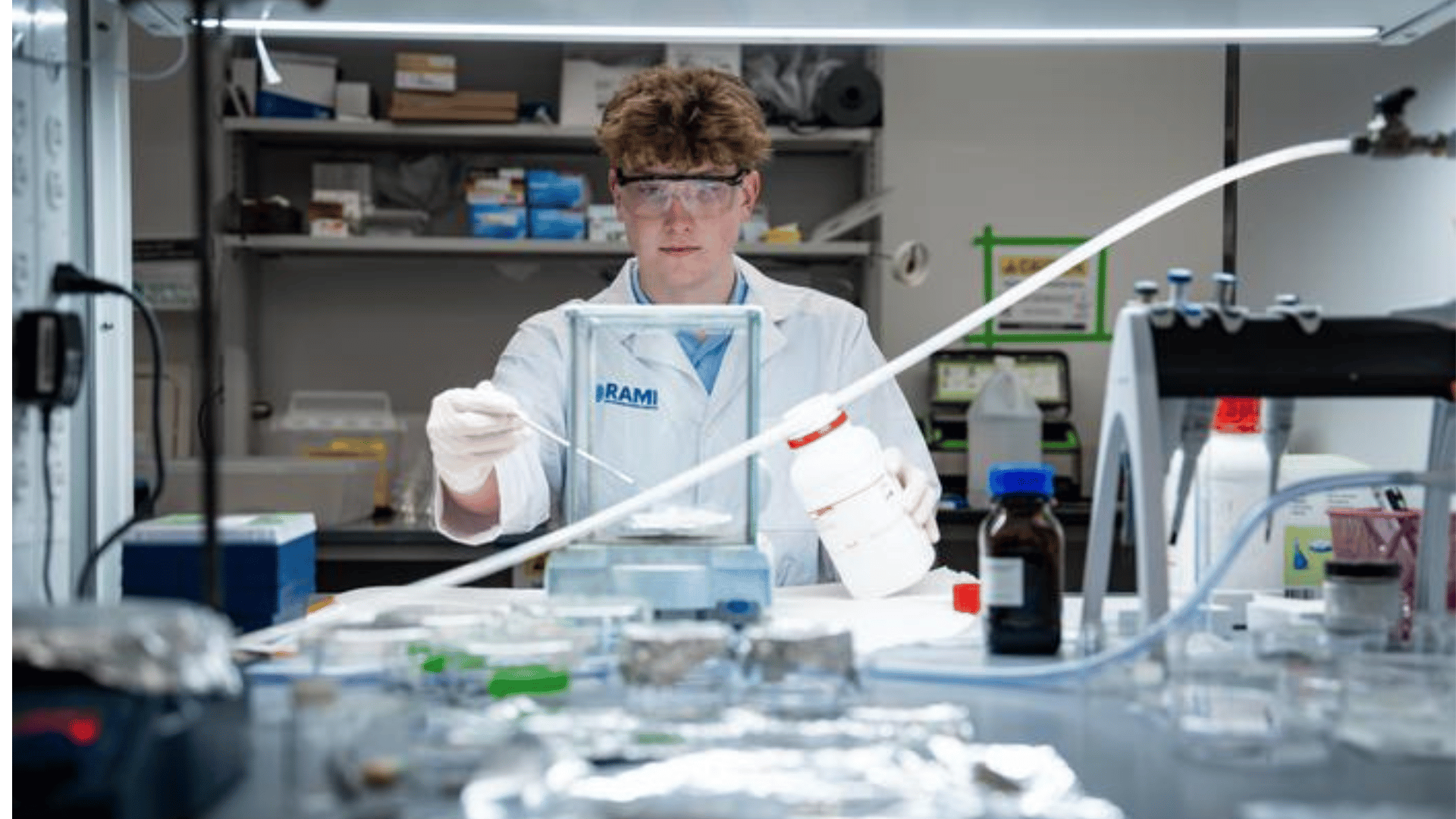
The team focused on “amino chlorides,” which are essentially salts mixed with water. While many recycling methods use strong acids, this new approach is much gentler. One specific mixture, called hydroxylammonium chloride (HACl), stood out amongst the rest. It works so well because it has a built-in “redox-active” center that helps dissolve the metals quickly.
Because the solution is water-based, it isn’t thick or syrupy like some other experimental solvents. This allows the molecules to move around faster, speeding up the whole process. In testing, the solution pulled out about 65% of the key metals in just one minute at room temperature.
Advertisement
“We were surprised by just how fast the reaction occurs, especially without the involvement of high temperatures,” said Simon M. King, the study’s first author. “Within the first minute, we’re already seeing the majority of the metal extraction take place.”
Safer for the Planet
Current recycling often relies on “hydrometallurgy,” which dissolves the metals into a liquid. However, if that liquid is toxic or requires constant boiling, it isn’t sustainable. By using a system that works in mild conditions, the Rice team is making recycling batteries cheaper and safer for the planet.
“A big advantage of this system is that it works under relatively mild conditions,” said Pulickel Ajayan, a professor of engineering at Rice. “That opens the door to more sustainable and scalable recycling technologies.”
Additionally, the team proved that these recovered metals can be turned back into new battery materials. It’s a straightforward way to keep these resources in use rather than digging more out of the ground. Sohini Bhattacharyya added, “While the rapid metal dissolution is very interesting, what is most exciting is that this highlights the generic chemical properties that are the major drivers for efficient leaching.”
 Read Exclusive Stories
 Bookmark & Save Articles For Later