Aviation is a tough industry to clean up. While cars can go electric, planes still mostly rely on liquid fuel to stay in the air. Right now, most Sustainable Aviation Fuel (SAF) comes from used cooking oil, but there isn’t enough of it to go around, and it’s getting expensive.
That is why a new project from South Korea is so interesting. A team from the Korea Research Institute of Chemical Technology (KRICT) and EN2CORE Technology just figured out how to turn landfill gas, mostly from rotting food waste, into high-quality jet fuel.
From Waste to the Runway
The idea is to take the gas bubbling up from landfills and turn it into something useful. First, the team cleans the gas by removing sulfur and extra carbon dioxide. Then they use a plasma reactor to turn it into “syngas,” a mix of carbon monoxide and hydrogen.
Advertisement
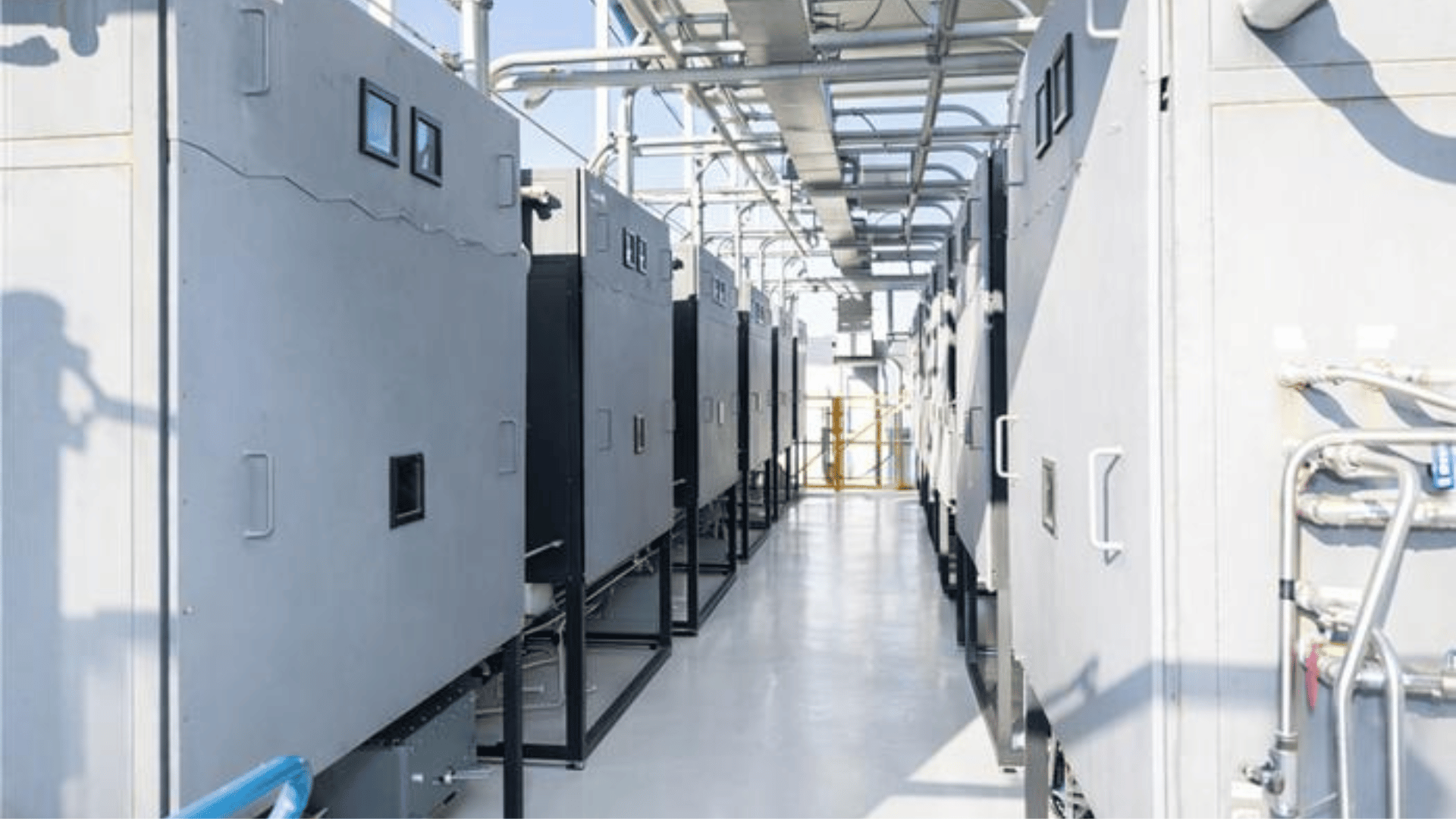
The real magic happens next. KRICT uses a special catalyst to turn that gas into liquid fuel. They even developed a “microchannel reactor” that stays cool during the process, which prevents the equipment from getting damaged. Because this reactor is modular and small—about one-tenth the size of traditional systems—you can just add more units if you need to make more fuel.
Why It Matters
The team built a pilot facility at a landfill in Daegu that’s about the size of a two-story house. It is already churning out 100 kg of aviation fuel every day. This proves you don’t need a massive, billion-dollar refinery to make jet fuel; you could potentially do it right at a local waste plant.
This approach solves two problems at once: it gets rid of methane from our trash and gives planes a cleaner way to fly. KRICT President Young-Kuk Lee stated that the technology “has strong potential to become a representative solution capable of achieving both carbon neutrality and a circular economy.”
By using everyday waste from food and sewage, we might finally have a way to make air travel more sustainable without making tickets too expensive for the rest of us.