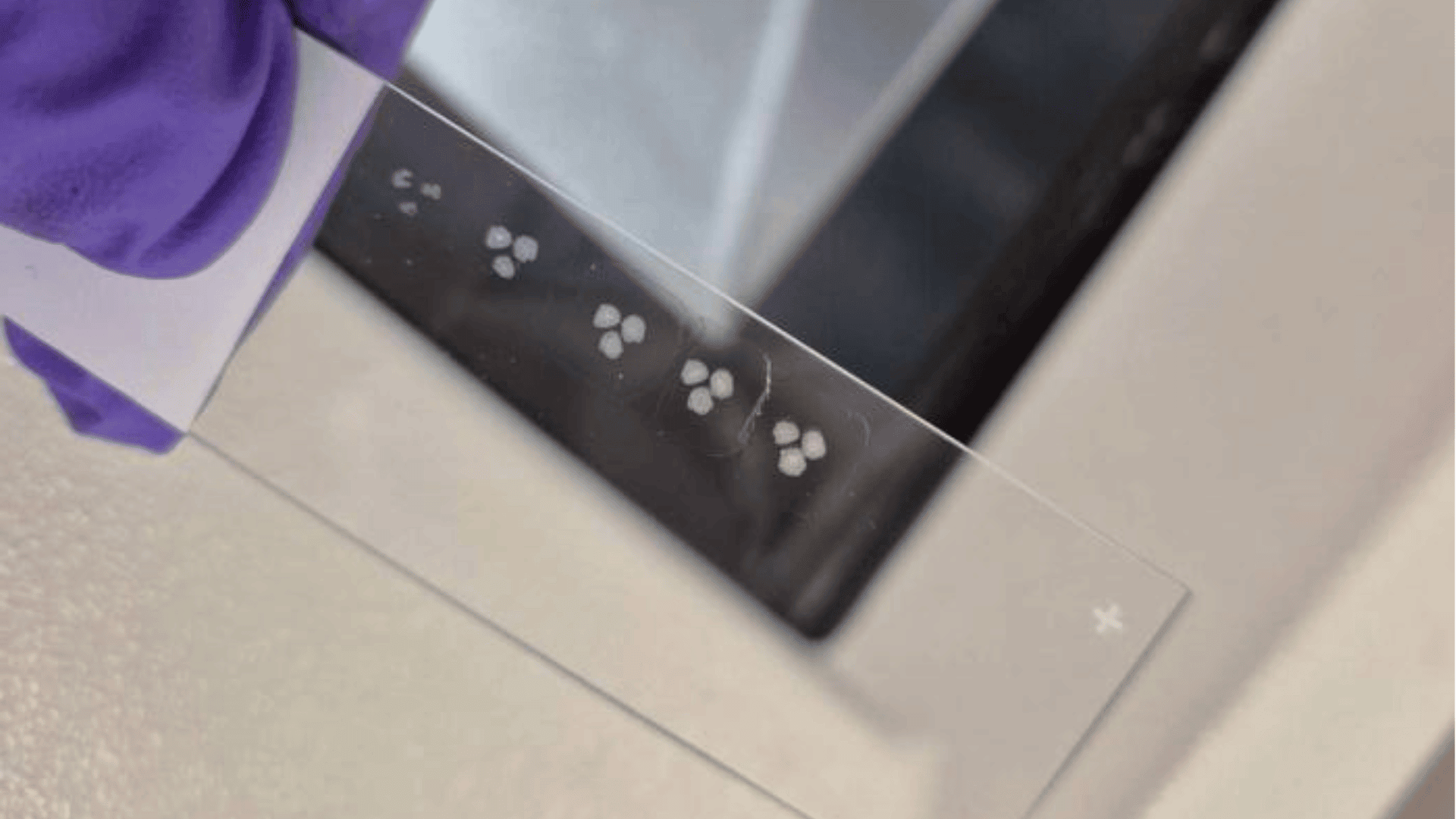
While some researchers are looking at toys, others are looking under your couch. The National Institute of Standards and Technology (NIST) recently sent a specific type of “house dust” to the International Space Station (ISS). While this may seem strange to some, there are very good reasons to do so. House dust contains nearly everything about the human body and home, from the chemicals in the carpets to the skin shed by its owners.
A Flying Laboratory
Because of the microgravity in space stations, many things fall differently compared to Earth’s environment. For instance, dust does not tend to fall onto the floor of the station as it does on Earth, but instead continues to float in the air. As a result, astronauts can easily breathe it in or get it into their eyes. By adding bacteria and chemicals to the house dust, scientists can analyze the effect of space’s radiation and weightlessness on those elements over an extended period of time.
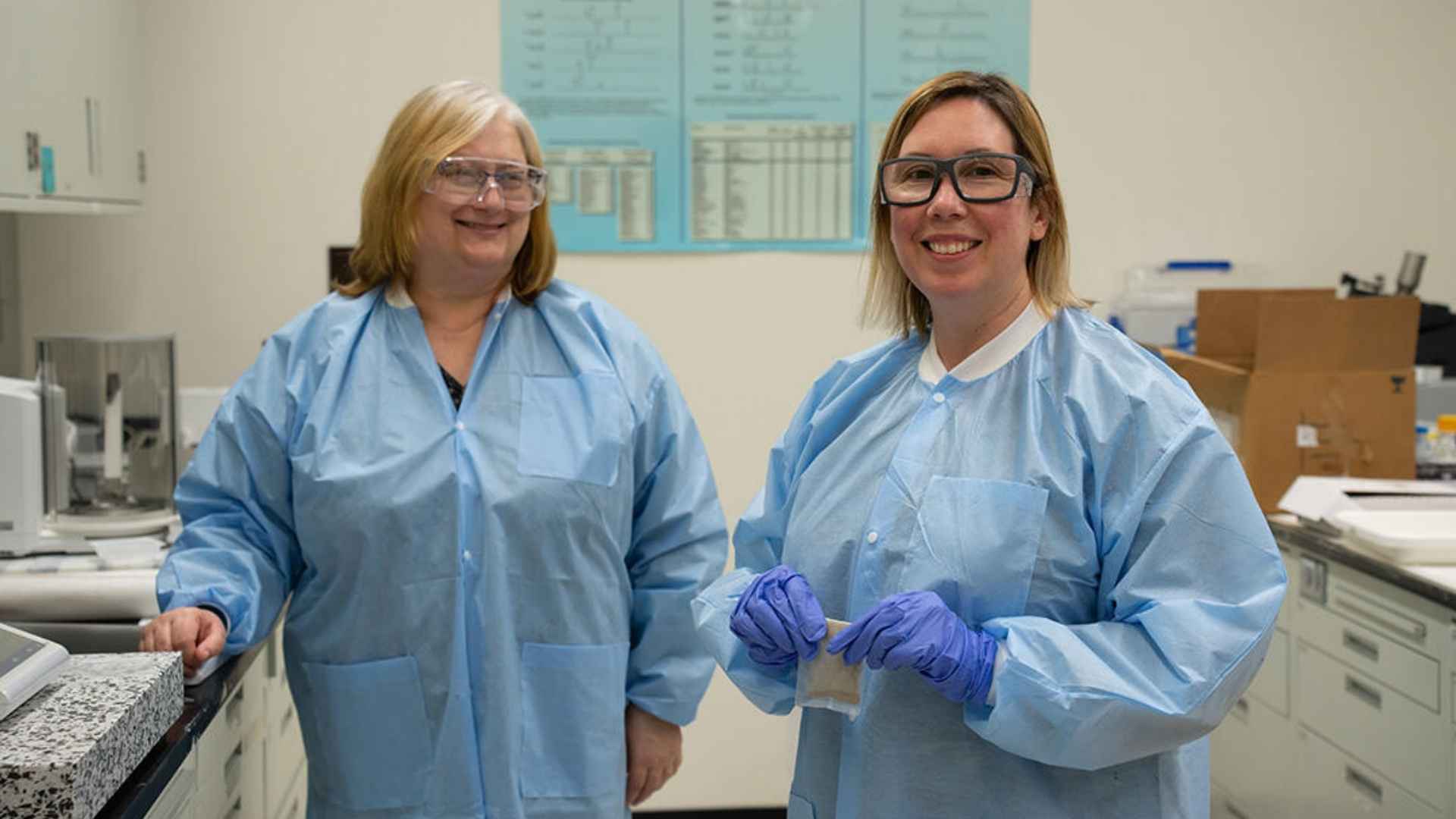
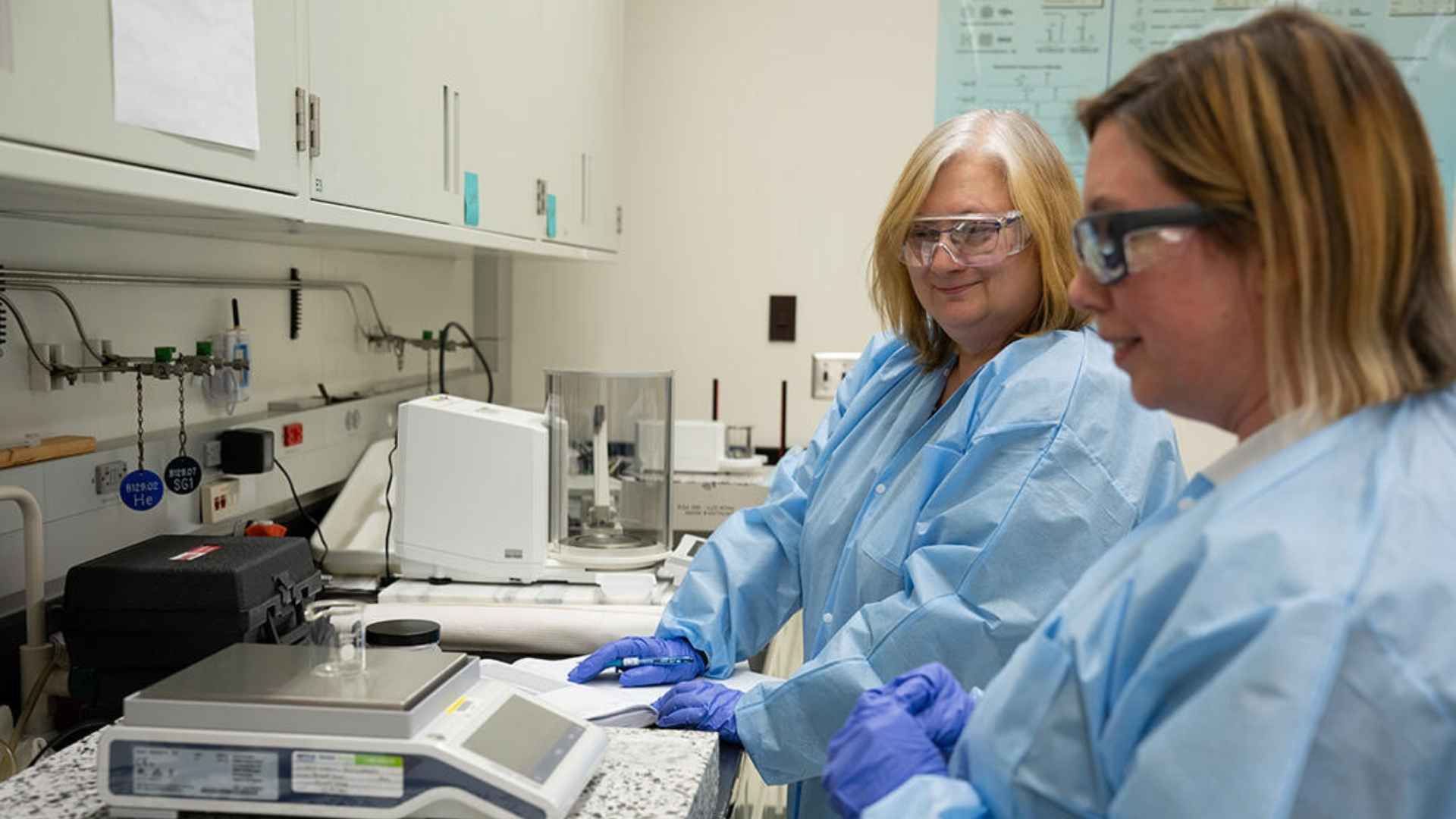
NIST calls this a Standard Reference Material. In other words, they took house dust and precisely measured it on Earth, knowing exactly what was in the sample. By placing this sample in space and then bringing it back from the ISS, scientists will be able to analyze the effects of space on its composition.
Preparing for Long-Term Travel
Advertisement
Additionally, as humans plan to spend extended periods in space, such as on commercial space stations or the planet Mars, it is necessary to understand how bodily functions, such as cholesterol and kidney health, remain stable in these environments. House dust can be considered the canary in the coal mine for understanding the body and how it relates to the environment.
By understanding how house dust breaks down in space, scientists can better prepare air filtration systems for astronauts on these missions. Furthermore, the information gained from such an experiment will also affect the health of planet Earth. By understanding how the body’s elements break down under specific conditions in space, scientists can better understand how common indoor pollutants affect the health of those living in their homes.
Small Things, Big Impact
This type of scientific experiment demonstrates how not all innovations require new technology and advances in science. Sometimes, the simplest of science projects involves observing something as seemingly simple as house dust. From creating greener airplanes to creating safe environments for astronauts to travel in, these small details are where the biggest impacts will be made.
 Read Exclusive Stories
 Bookmark & Save Articles For Later