The U.S. Nuclear Regulatory Commission (NRC) recently finished its environmental review for a proposed advanced nuclear project in Seadrift, Texas, finishing the process well ahead of schedule. The project is a team effort between Dow and X-energy. The review concluded that the project won’t have a significant impact on the environment.
Powering the Factory Floor
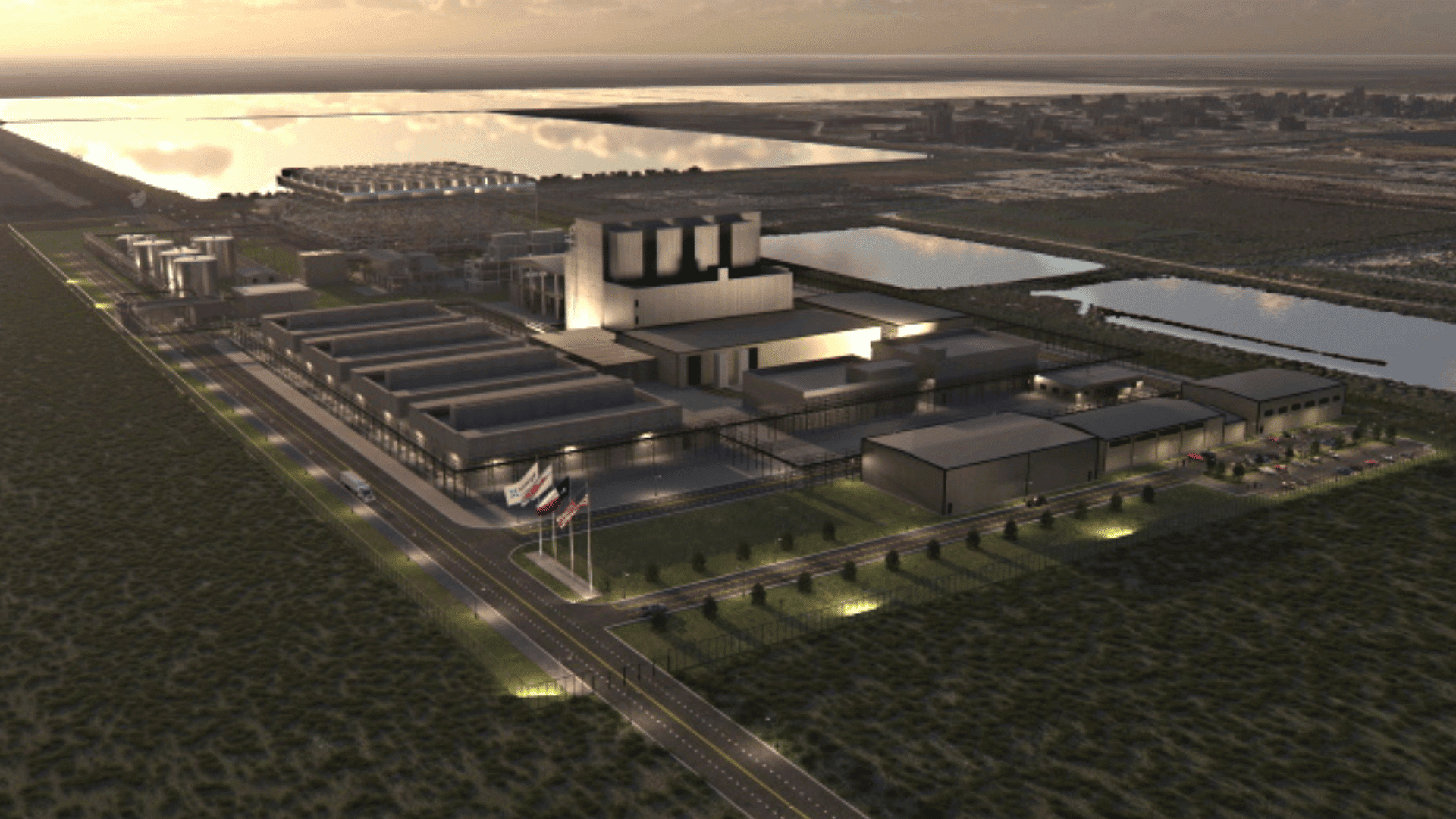
The plan is to build the Long Mott Generating Station right by Dow’s Seadrift Operations. This factory makes over 4 billion pounds of materials every year, but it takes a lot of energy to do that. Instead of just relying on the traditional grid, this new station will provide both electricity and high-temperature steam directly to the chemical plant. If everything goes according to plan, it will be the first grid-scale advanced nuclear reactor used for an industrial site in North America.
To get the green light, the companies had to submit a lengthy 1,000-page environmental report. They spent a year doing field surveys, checking groundwater quality, and talking with Texas state agencies to make sure they weren’t disrupting local wildlife or historical sites. Instead of picking a spot and trying to fix environmental problems later, they looked for sensitive habitats first and designed the layout to avoid them entirely.
Advertisement
“This is a significant milestone for the Long Mott Energy project, and we appreciate the comprehensive and efficient manner in which the NRC conducted its assessment,” said Edward Stones, business vice president, Energy & Climate, Dow. “We are another step closer to expanding access to safe, clean, reliable, cost-competitive nuclear energy in the U.S.”
An Advanced Nuclear Powerhouse
The project is using X-energy’s XE-100 reactor, which is a small modular reactor designed to keep its environmental footprint pretty small. It uses helium to cool the machine down, and that helium doesn’t become radioactive while the reactor runs. Additionally, it doesn’t need huge amounts of water, so it doesn’t require giant cooling towers or massive water intake structures.
Because the companies spent years working with the NRC before even applying, the review process went smoothly. The safety design helped move the paperwork along in under a year.
“This approval establishes a replicable pathway for increased efficiency in the licensing process, built through years of preparation to demonstrate the strong safety profile of our technology,” said Dragan Popovic, chief global operating officer at X-energy. “There are no shortcuts in nuclear safety. Every efficiency has to be earned, and it begins with a complete, high-quality application and technology designed to be intrinsically safe.”
 Read Exclusive Stories
 Bookmark & Save Articles For Later