
As frigid as its atmosphere was, Mars was able to maintain liquid lakes on its surface. This was the finding from a team of scientists at Rice University, but more than that, they uncovered the solution to a paradox that has existed for over a billion years.
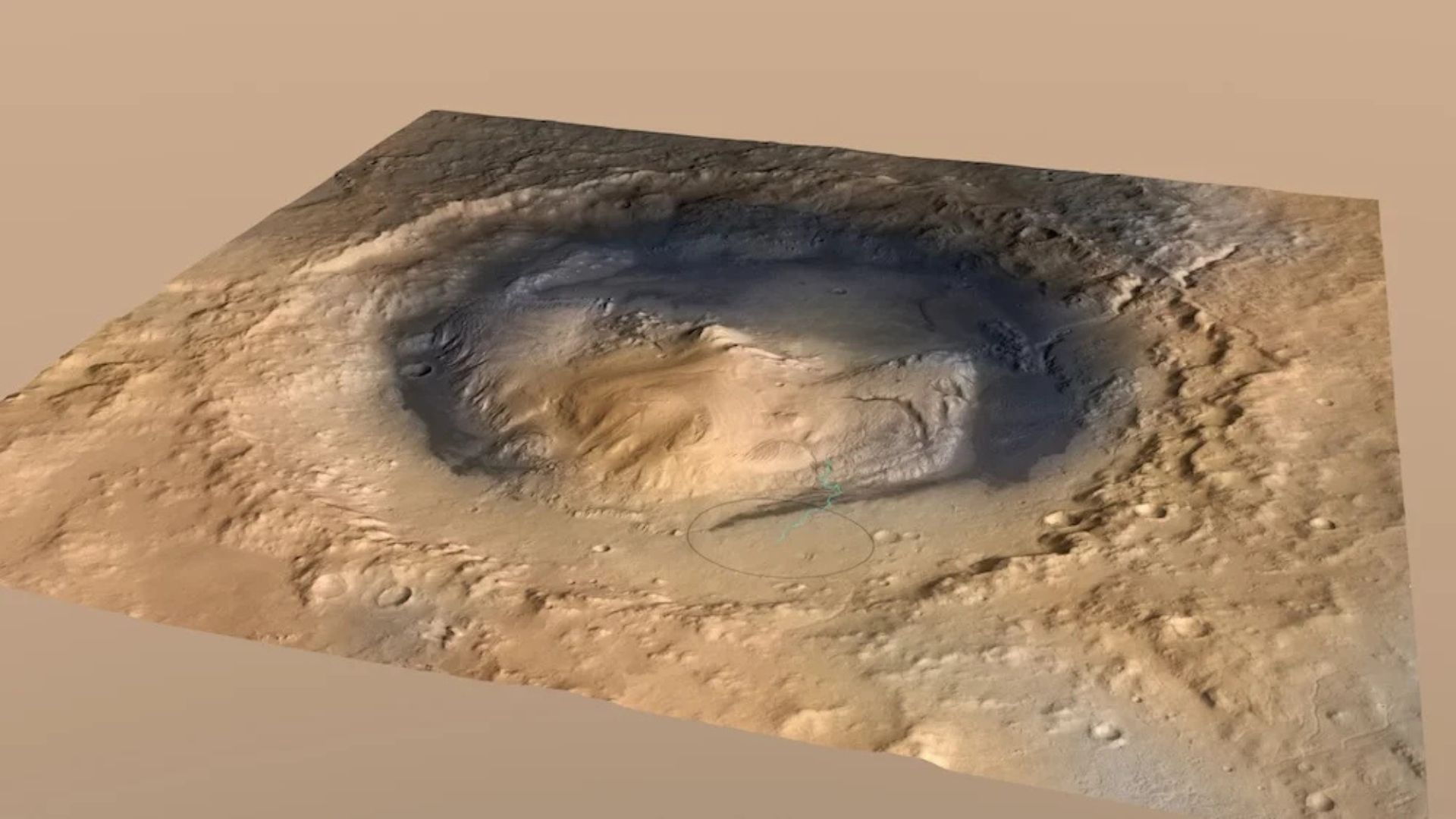
Despite numerous discoveries by different rover missions to Mars that helped prove the presence of liquid water, intense research into the planet’s atmosphere began to reveal a problematic finding: the planet was theoretically too cold for liquid water to exist on the surface. How did the planet manage to find this balance? That was solved with this new research.
The team found that small lakes on Mars were covered in a thin layer of seasonal ice that was sufficient to insulate and maintain the water’s temperature during winter, yet thin enough to melt during summer. During the creation of a new model, known as LakeM²ARS (Lake Modeling on Mars with Atmospheric Reconstructions and Simulations), the scientists revealed the hidden mechanism that enabled Gale Crater to maintain liquid water for decades, or even centuries, without freezing.
“Seeing ancient lake basins on Mars without clear evidence of thick, long-lasting ice made me question whether those lakes could have held water for more than a single season in a cold climate,” said lead author Eleanor Moreland. This compelling information allows scientists to reframe their understanding of the Martian environment. Even as a cold planet, Mars was indeed habitable.