Spinal cord injuries are hard to treat because nerve cells usually do not regrow by themselves. To address this, researchers in Zurich combined therapeutic stem cells with magnetic nanoparticles to make tiny biohybrid microrobots called “NPCbots.”
Each of these bots is just six micrometers long and is made in miniature labs on a chip.
“We place a reservoir in the center where we trap the cells,” said Professor Salvador Pané i Vidal of the Multi-Scale Robotics Lab at ETH Zurich. “Then we inject the nanoparticles and wait for the two components to bind.”
To make enough bots for testing, they run multiple chips at once. “To scale up fabrication, we operate several lab-on-chip systems in parallel,” explained Hao Ye, senior scientist and the study’s first author.
Healing a Severed Spinal Cord With Microrobots
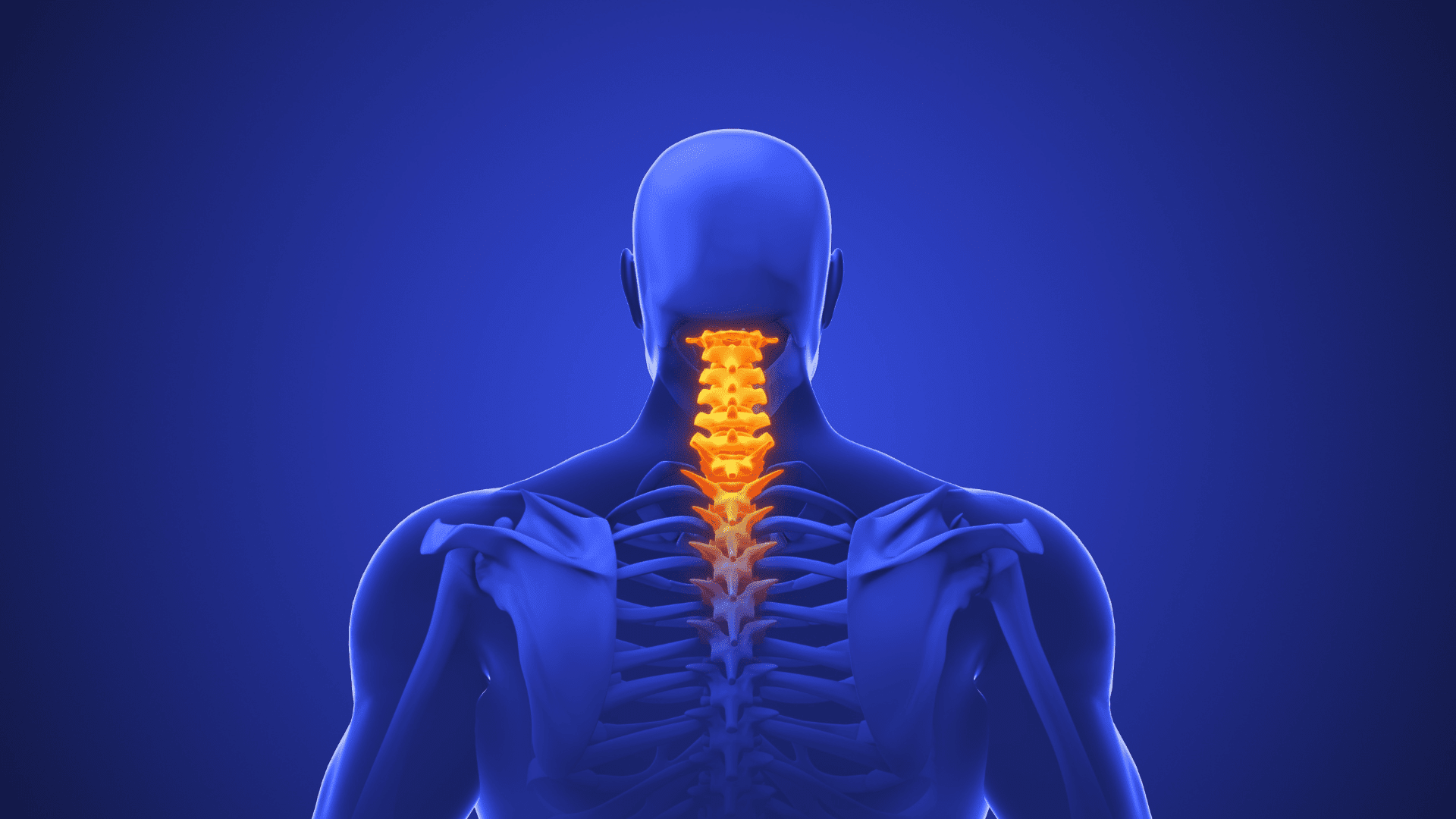
The team tested the bots on zebrafish and mice with spinal injuries. They used magnetic fields from outside the body to steer the bots straight to the injury. The nanoparticles turn these magnetic signals into electrical impulses that help cells grow, so there is no need for implanted electrodes.
Advertisement
For Pané Vidal, teamwork was vital to the experiment’s success. “Stephan Neuhauss and Jingjing Zang at the University of Zurich did extremely valuable work, the professor said. “They enabled us to demonstrate, in a well-characterized regenerative model system, how quickly cells differentiate using our method and how our bots repair the spinal cord.”
The results were fast, with the zebrafish swimming normally in only three days. Additionally, the mice showed significantly improved coordination and movement after 28 days. Researchers say the mice’s severed nerve cells successfully reconnected.
The treatment caused no adverse side effects, and the bots essentially dissolve in the tissue afterward.
“In addition to many clinical aspects, we first need to test which magnetic fields work best in humans and determine the optimal stimulation duration,” Hao explained.
However, the team believes this production method can eventually be used for other medical fields like cardiology and wound healing.
“The reproducible and scalable production of microrobots using our lab-on-a-chip system demonstrates that the platform’s application potential extends beyond basic research,” Professor Pané i Vidal added.
 Read Exclusive Stories
 Bookmark & Save Articles For Later