When you think about manufacturing, you might picture massive robotic arms in a factory. But some of the most rewarding creations happen on a machine that has been around for thousands of years. Woodturning is the craft of using a lathe to shape spinning wood into symmetrical objects like bowls, spindles, and pens. It is a wonderful mix of physics, geometry, and hands-on creativity.
The Physics of the Spin
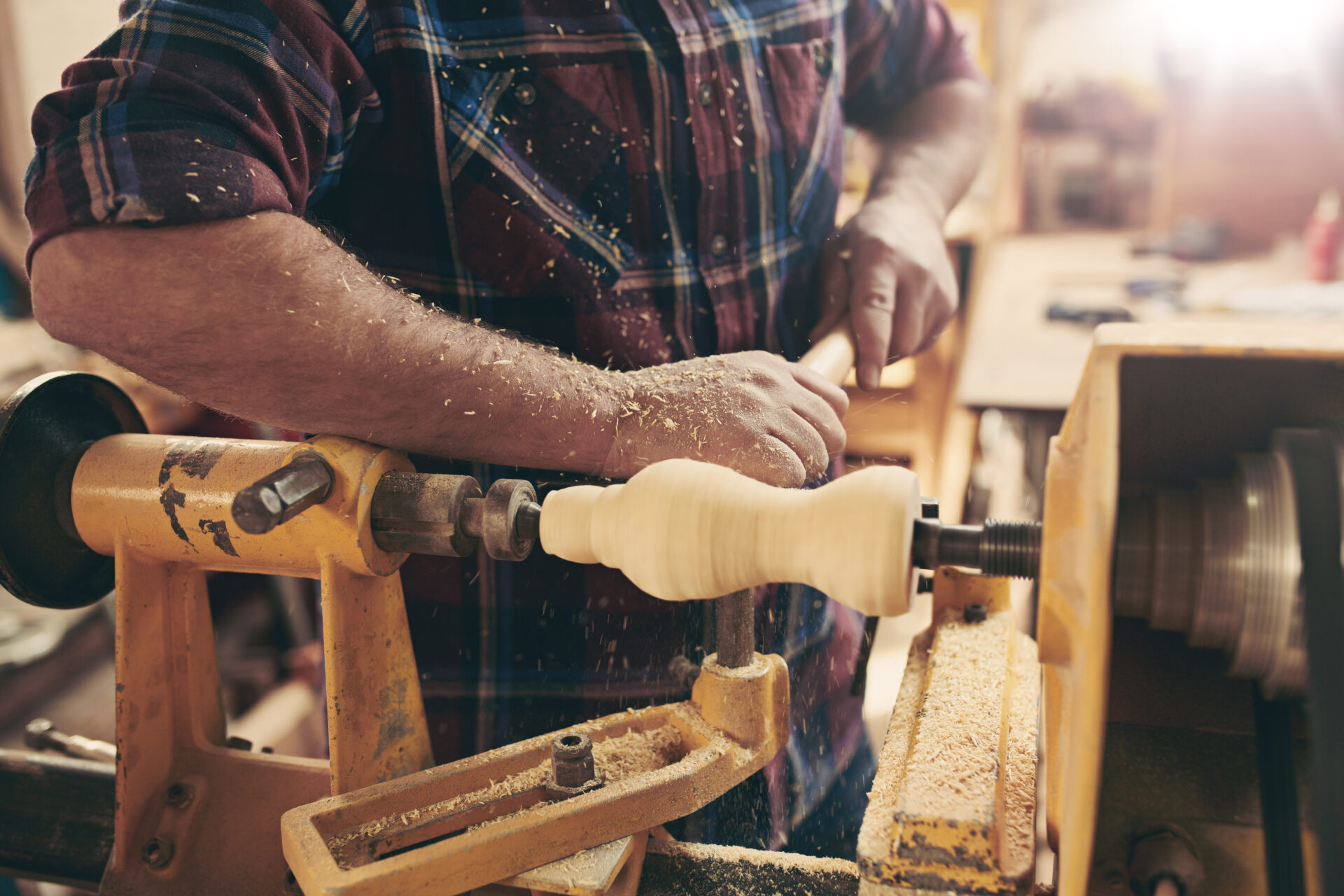
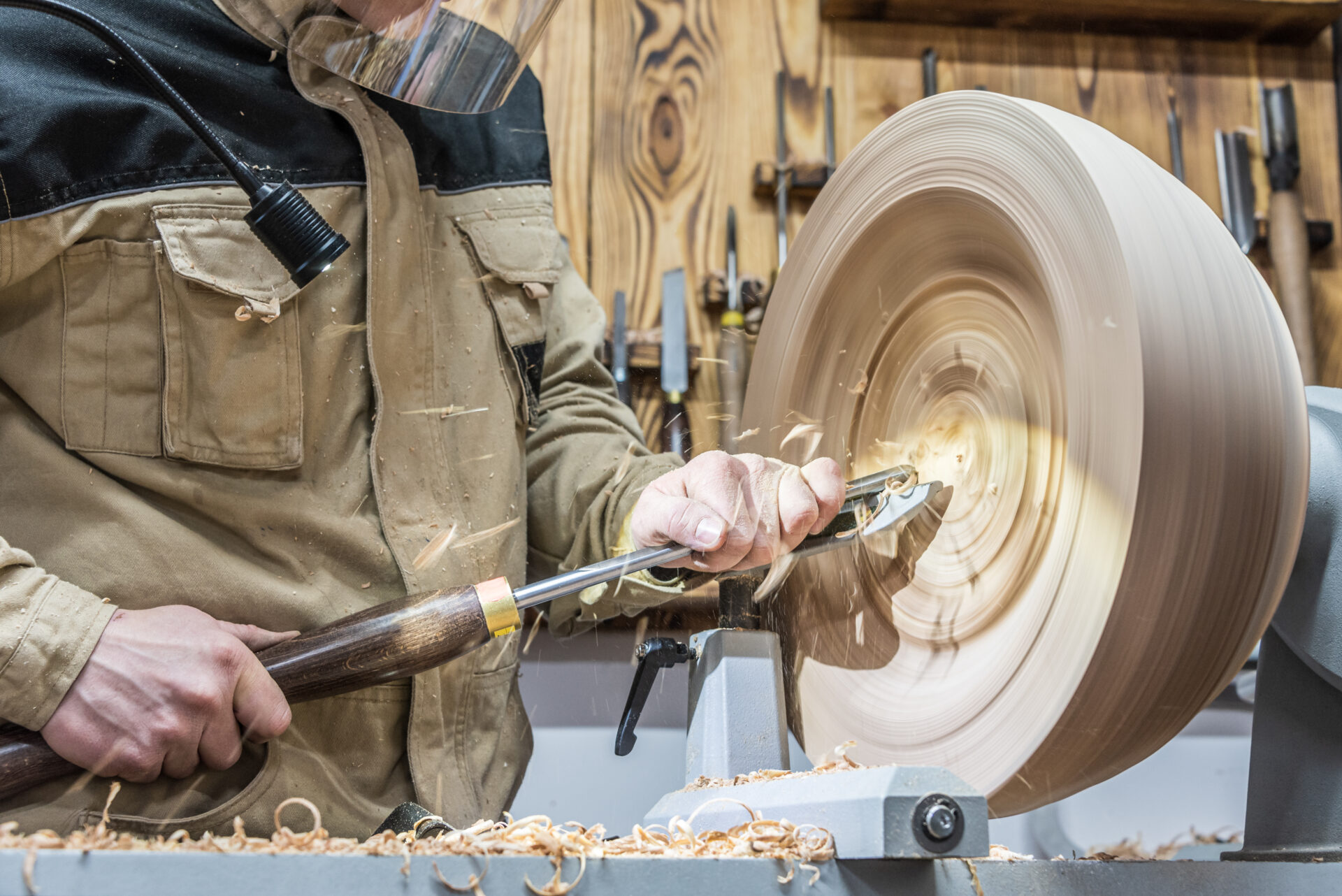
Most woodworking involves moving a tool across a still piece of wood. Woodturning flips this idea on its head. On a lathe, the wood itself spins rapidly while you hold a sharpened chisel completely still against it.
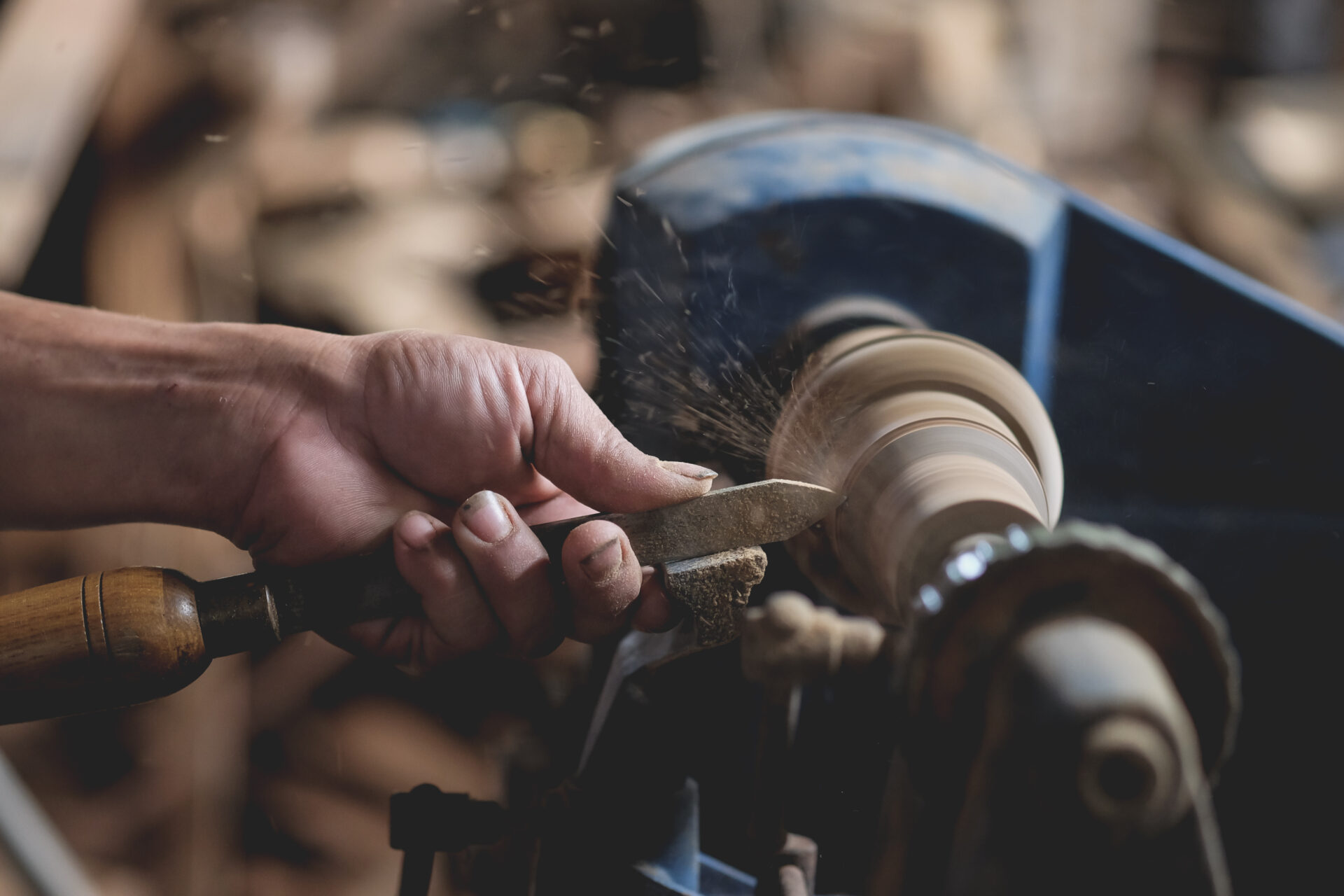
Here is where the STEM connection comes in. Woodturners have to understand rotational speed and physics to work safely. A common rule of thumb in the craft is the “diameter rule”. You calculate your lathe speed by multiplying the wood’s diameter by its revolutions per minute (RPM). A tiny piece of wood for a pen can safely spin at a fast 3,000 RPM. But a heavy, ten-inch log for a bowl has to spin much slower—around 600 RPM—to keep the machine stable. It is a balancing act of centripetal force and steady hands.
A Meditative, Creative Flow
Advertisement
There is a unique rhythm to working at a lathe. It feels very similar to working at an anvil. Once the lathe starts spinning, the rest of the world seems to quiet down. You press your tool into the wood, and a steady stream of thin, curly ribbons begins to fly through the air.
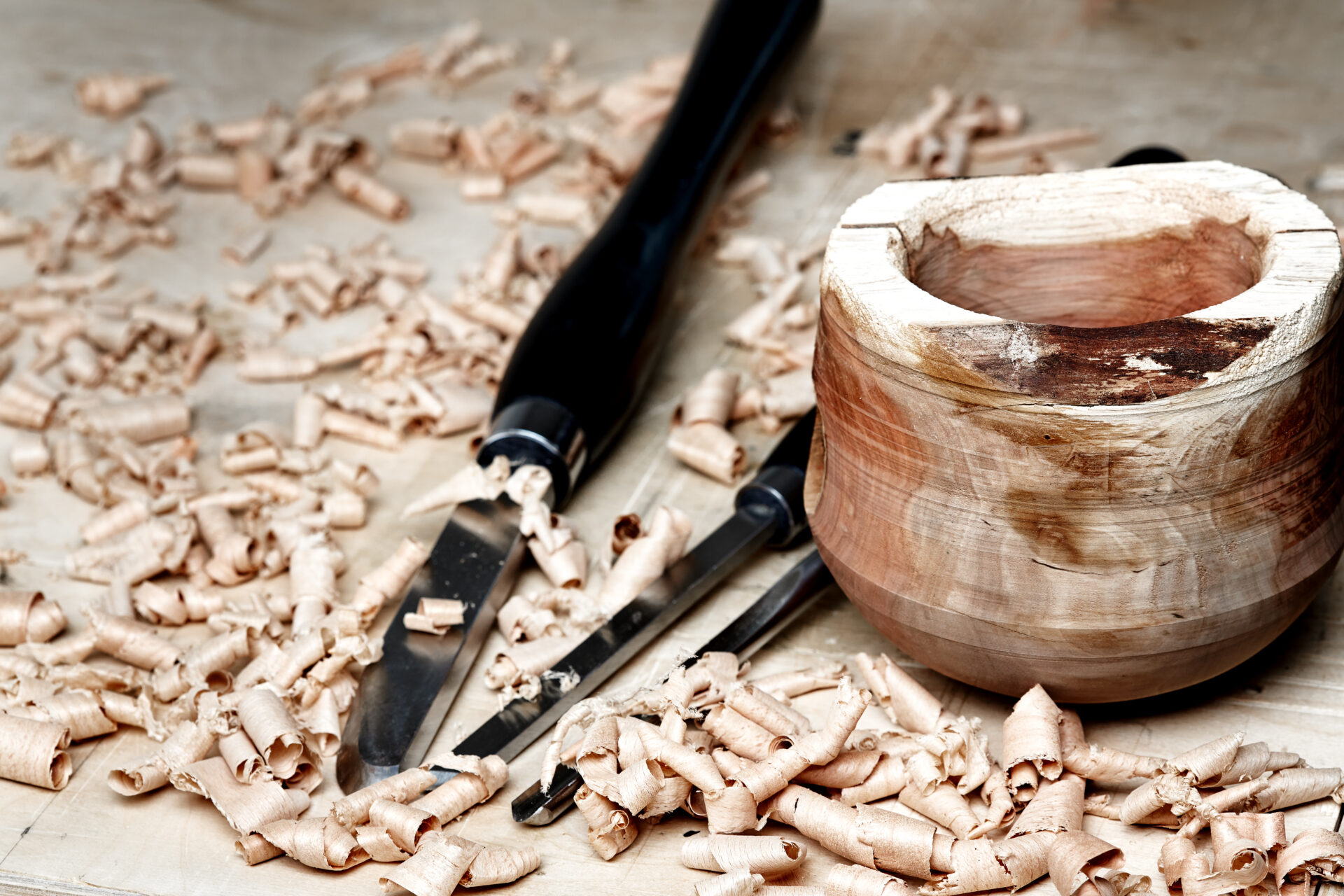
You have to listen closely to the machine. A skilled turner can tell if their tool is sharp or if the wood is splitting just by the sound of the cut. It requires your full attention, which makes the process feel incredibly meditative. There is no room to worry about your phone or your to-do list. You are entirely focused on the wood, the tool, and the shape slowly appearing before your eyes.
Creating a Sustainable Future
This craft is also a great way to practice sustainability. Instead of buying expensive, store-bought lumber, many woodturners use “green wood.” This is fresh wood from trees that have already fallen due to storms or local landscaping. Because you can turn wet wood directly on the lathe, you do not have to wait years for the lumber to dry out. You can take a piece of a fallen backyard maple and turn it into a beautiful, functional bowl in a single afternoon.
It proves that we do not always need complex software to make beautiful things. Sometimes, all it takes is a spinning block of wood, a sharp tool, and a little bit of patience.
 Read Exclusive Stories
 Bookmark & Save Articles For Later