Alison Young’s journey into the natural world didn’t begin with a grand expedition, but with a quiet childhood moment. From the moment she noticed caterpillars along a sunlit sidewalk, she felt a connection with nature that has since carried her more than 14,000 miles across six continents. For Young, nature is where she feels “most alive and most connected to something deeper.” That sense of connection has stayed with her, guiding her through breathtaking landscapes and difficult conditions that, as she puts it, “teach the most important lessons.”
In this conversation with Tomorrow’s World Today, Young reflects on how nature has shaped her path—from her early days in music to her life as a writer, speaker, and long-distance backpacker—and why the lessons found on the trail resonate far beyond it.
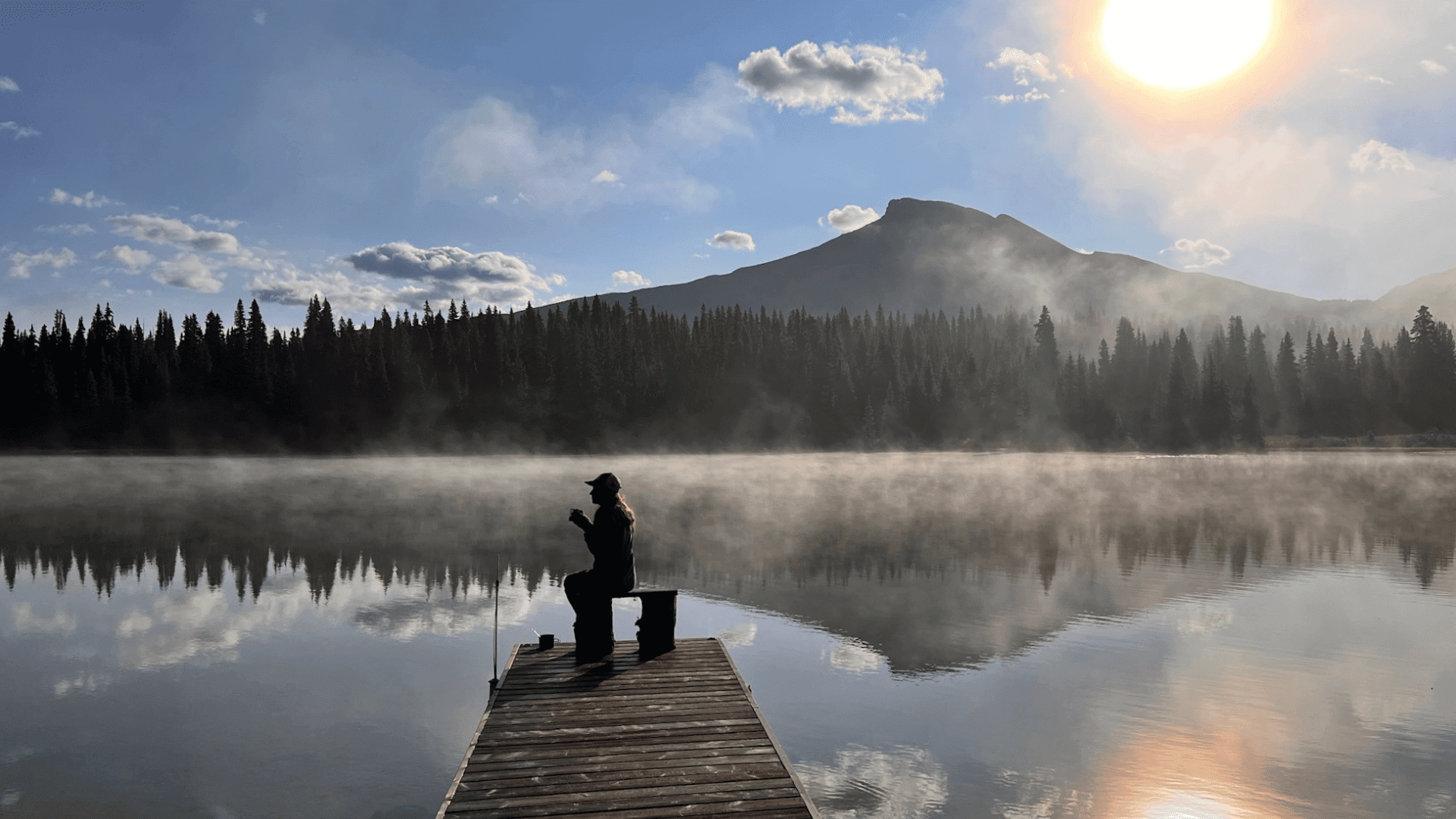
Tomorrow’s World Today (TWT): Tell us about yourself and what inspired you to begin working with nature and wildlife?
Alison Young (AY): My earliest memory is of walking on a beautiful spring morning. Sunlight filtered through fresh leaves, casting shadows along the small sidewalk that led to my nursery school. I remember looking down and noticing roly-poly caterpillars inching along, moving just like my own feet, carrying me wherever I wanted to go. There was a sense of freedom in that movement, but also a feeling that I was part of something much larger, the natural world.
Since then, walking in nature has been a constant source of grounding and solace for me. It’s also been a way to explore and satisfy my curiosity about the world around me.
TWT: What is it specifically about the natural world that inspires you?
AY: It’s in nature that I feel most alive and most connected to something deeper. That doesn’t mean every day on the trail is filled with beauty or transformation. I’ve walked in plenty of difficult conditions, but those are often the moments that teach the most important lessons. Nature has shown me the value of taking risks, the inevitability of change, the importance of staying present, and the art of letting each day unfold as it will.
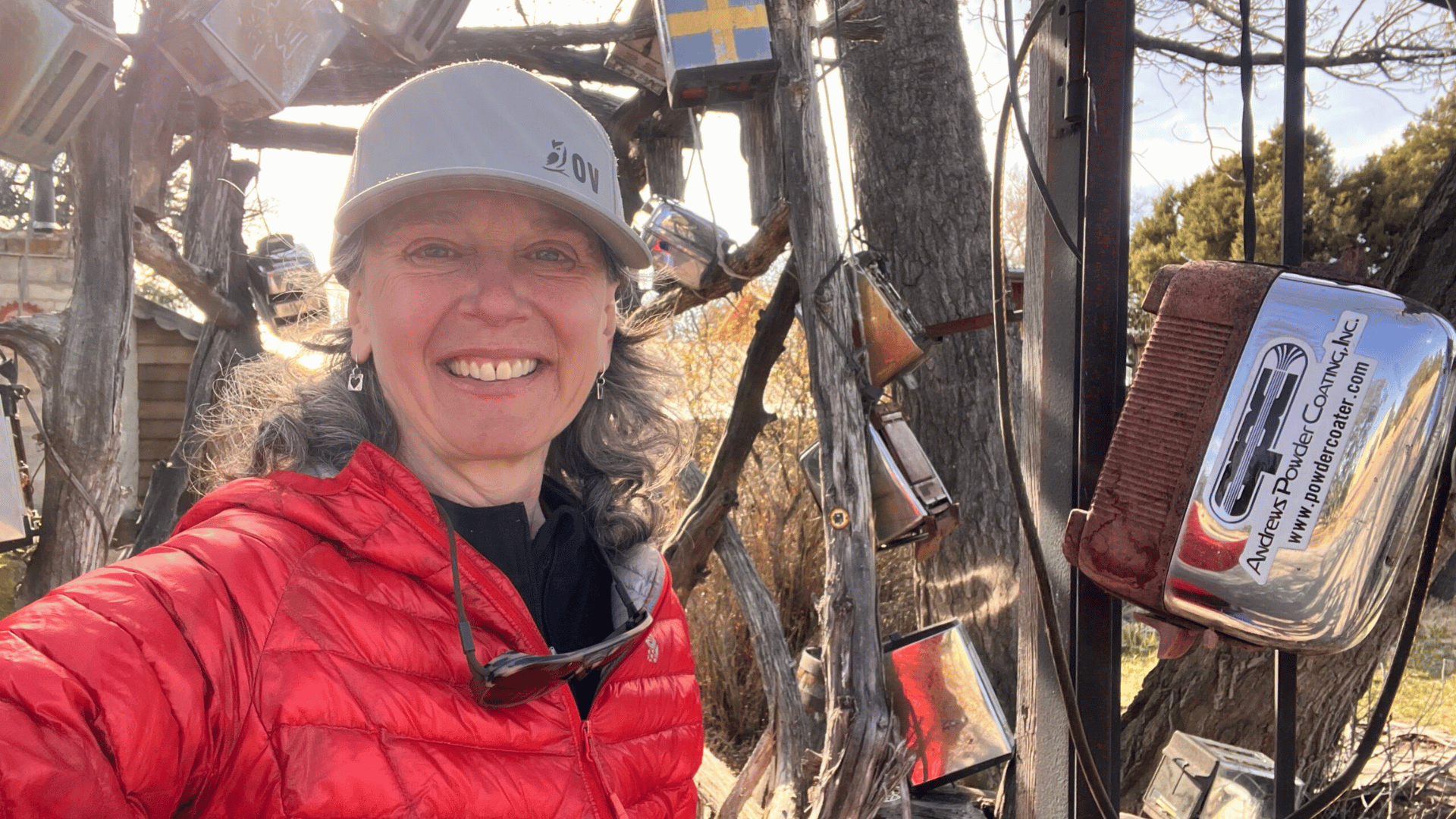
TWT: You’ve hiked more than 14,000 miles across six continents as a backpacker. Tell us about a few of your favorite experiences along your travels. Why are they your favorites?
AY: Recently, I completed the first section of the Great Himalayan Trail in Nepal, a demanding 35-day trek. To acclimate to the high altitude, around 17,000 feet, we took a side trip to a shrine below Jannu Peak. The day was breathtaking: bright blue skies, mild temperatures, and the snow-covered peak rising like a wedding cake before us, with deep purple gentian flowers at our feet.
When we arrived, a group of Kirati pilgrims was circling the shrine, blowing conch shells and playing drums and cymbals. Their reverence for nature, believing that animals, rocks, rivers, and even weather possess a soul, was deeply moving. I was exhausted and short of breath, yet profoundly inspired by their devotion.
Another unforgettable experience was hiking the length of New Zealand on Te Araroa, the “long pathway.” It was a journey through mud, sandflies, dangerous river crossings, and some of the most unique landscapes I’ve ever encountered.
On the South Island, I faced the Rangitata River, one of two “impassable” rivers along the trail. I teamed up with a more experienced hiker from the Czech Republic, and together we decided to attempt the crossing after a week of dry weather. The river stretched nearly six miles wide, a maze of gravel bars, quicksand, and shifting channels, including one fast-moving glacier-fed stream.
We approached it like a puzzle, carefully choosing our path. By the time we reached the far shore, we were soaked and exhausted but exhilarated. That day showed me that I was stronger than I believed, and that extraordinary things can happen when you work as a team.
TWT: You originally began in the professional music industry before working with nature and wildlife. How does your music background play a role in your work now?
AY: Wherever I performed as a flutist, the Grand Tetons, Colorado, the Berkshires, California, I always turned to hiking for relaxation and renewal. Over time, I began to notice how similar walking is to music. Footsteps create a rhythm; climbing toward a summit feels like a crescendo; small discoveries like a crocus pushing through snow or the scent of balsam carry their own songs.
Even composers understood this connection. Beethoven, for example, walked extensively in nature to inspire his work. For me, hiking has become a physical expression of music.
Advertisement
TWT: In addition to backpacking, you write detailed accounts of your hiking experiences. Tell us about the process of attempting to capture your outdoor experiences in words. What’s the most challenging and rewarding part of the process?
AY: I write in real time as I hike, taking detailed notes to capture each moment as it unfolds. I try to bring readers directly into the experience, not just through sensory details, but through my thoughts and emotions as well.
The most rewarding part is translating those experiences into something meaningful, creating not just a record of events, but a journey of the heart. The most challenging part is maintaining the discipline to tell that story fully and honestly.
TWT: You’ve also held speaking events across the country, including a TED Talk. What do you find most rewarding about these experiences and why?
AY: As a longtime performer and public radio host, being on stage feels natural to me. I love telling stories and helping people not only imagine the trail, but also reflect on their own paths in life.
Of course, I enjoy the laughter and those “aha” moments from an audience. But what means the most is when people see themselves in my story, when they recognize that resilience is possible. As someone who has rebuilt her life more than once, I hope to show others that they, too, can do hard things.
TWT: How has your work evolved over time? What are your goals for the future?
AY: When I first began sharing my hiking experiences, I focused mainly on the adventures themselves, the beauty, the challenges, the rewards. After my first long-distance hike, I was invited to give a talk, which opened up a new path I hadn’t considered.
As I faced personal and professional challenges, my storytelling shifted. The trail became a backdrop for exploring larger themes about life, resilience, and change.
Looking ahead, my goal is to bring together my writing and speaking into a book.
TWT: What type of gear and/or tips would you recommend for anyone planning to spend extended periods of time in nature? How can they get the most out of the experience?
AY: Preparation is everything. When backpacking, you carry your entire life on your back, so choosing lightweight, high-quality gear is essential even though it can be expensive. Focus first on the basics: reliable shelter, a good sleep system, and adequate food. I have a comprehensive list of what’s in my gear closet.
Beyond survival, though, it’s important to understand your “why.” This isn’t about rigid goals because conditions can change, but about knowing your deeper reason for being out there. That sense of purpose will sustain you and open the door to unexpected moments of serendipity and discovery.
TWT: What advice would you give those aspiring to work with nature and wildlife?
AY: The reality is that much of this work can be difficult and, at times, discouraging. Unless you’re part of extractive industries, you may find yourself constantly pushing back against climate denial and powerful lobbying interests.
As I speak, decisions are being made that could remove protections from places like the Boundary Waters Wilderness, opening them to potential environmental harm. Losses like that are permanent.
It’s easy to feel discouraged, but I continue to return to nature, to document it through writing, sound, and images, and to share those experiences. I believe in the power of natural landscapes to move people, and I hold onto the hope that this connection will inspire others to protect what remains.
For more information about Alison Young and her projects, follow her on Instagram and on blissfulhiker.com.
 Read Exclusive Stories
 Bookmark & Save Articles For Later