Recovery After the Flames
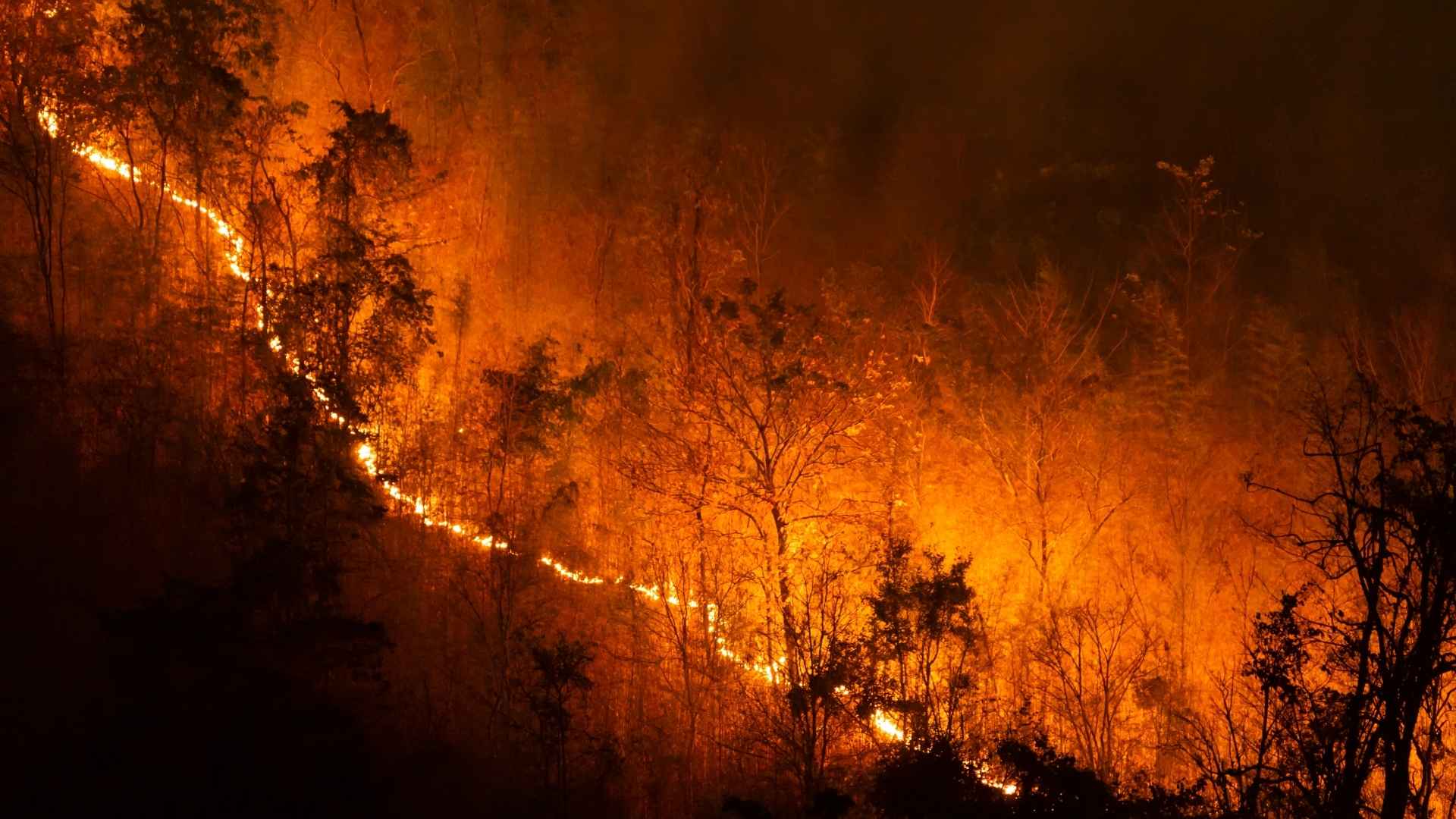
A wildfire can leave behind a landscape that looks completely destroyed. Trees are blackened. Plants are gone. The ground appears lifeless. But in many forests, that is not the end of the story. Some trees have evolved to work with fire rather than avoid it. The lodgepole pine is one example. Its cones are sealed with a resin that melts at high temperatures. After a wildfire, the cones open and release seeds onto the nutrient-rich soil below. New trees can begin growing within months. Other plants recover from roots that survive underground. In many forests, grasses, shrubs, and wildflowers often return surprisingly quickly after a fire. While severe wildfires can cause lasting damage, many ecosystems have developed natural ways to recover from occasional fires.
Life Returns to the Reef
Coral reefs face their own challenges. Storms, warming oceans, and pollution can damage these underwater habitats. Yet many reefs show an impressive ability to recover when conditions improve. Corals are small animals that build large reef structures over time. When pieces of healthy coral break off, they can sometimes attach to a new surface and continue growing. Scientists have used this natural process to help restore damaged reefs.
In places around the world, researchers grow coral fragments in underwater nurseries before transplanting them back onto reefs. These projects have helped restore sections of damaged reef systems and provide habitat for fish and other marine life. Recovery can take years, and not every reef survives. But successful restoration projects show that damaged ecosystems can sometimes rebuild when given support and protection.
Advertisement
Small Pieces, New Growth
Plants may be some of nature’s best examples of regeneration. Many can regrow from surprisingly small pieces. A willow tree branch placed in moist soil can often develop roots and grow into a new tree. Strawberry plants send out runners that create entirely new plants. Even small fragments of some succulents can grow roots and form new leaves. This ability comes from specialized plant cells that can develop into different types of tissues when needed. It allows plants to recover from storms, animal grazing, and other forms of damage.
Lessons From Nature
Here’s the thing: nature does not always recover quickly, and some damage can be permanent. Scientists continue to study how ecosystems respond to stress and what conditions help them heal. But examples from forests, coral reefs, and plants show that recovery is often possible. Life has developed ways to rebuild after fires, storms, and other setbacks.
That does not mean the process is easy. It takes time. It takes the right conditions. And sometimes it requires help from people working to restore damaged environments. Nature’s ability to regenerate offers a simple but powerful reminder. Even after a major disruption, growth can begin again. New forests can emerge from burned ground. Coral can return to damaged reefs. And a small plant fragment can become something entirely new.
 Read Exclusive Stories
 Bookmark & Save Articles For Later