A Giant in Trouble
Today, humpback whales are among the most recognized animals in the ocean. Known for their long migrations, powerful tails, and dramatic breaches, they can grow up to 60 feet long and weigh around 40 tons. But not long ago, their future was uncertain.
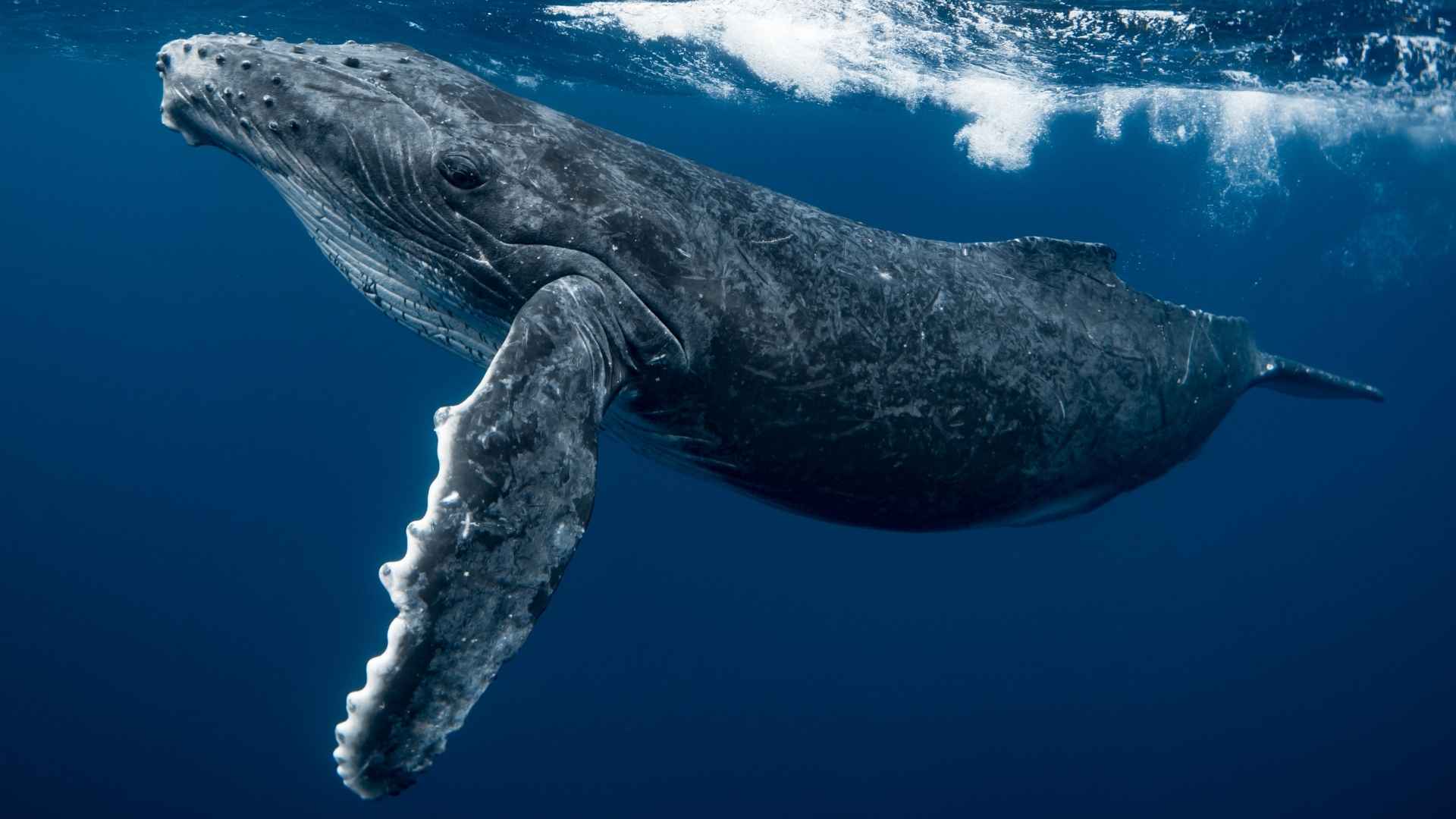
During the 1800s and much of the 1900s, humpback whales were heavily hunted by commercial whaling fleets. Whale oil was used in products such as lamps and machinery, and other parts of the animals were also sold. As whaling expanded around the world, humpback populations dropped sharply.
In some regions, scientists estimate that more than 90 percent of humpback whales have disappeared. By the middle of the twentieth century, many populations had fallen to dangerously low levels.
A Turning Point
The decline in humpback whale numbers caught the attention of researchers and conservation groups. Scientists began studying whale populations and collecting data about their numbers, migration routes, and behavior. As more information became available, countries started taking action.
Advertisement
One of the most important steps came in 1986 when the International Whaling Commission established a moratorium on commercial whaling. While some exceptions remained, the agreement significantly reduced hunting pressure on many whale species, including humpbacks. Protection efforts also expanded beyond whaling. Researchers worked to identify important feeding and breeding areas. Governments created marine protected areas and introduced rules designed to reduce threats to whales.
Signs of Recovery
The results did not happen overnight. Humpback whales are slow to reproduce, and population recovery takes time. But over the following decades, many humpback populations began to grow. Today, humpback whales can be found in oceans around the world. Some populations have recovered so successfully that they are no longer considered endangered. Scientists continue to monitor whale numbers, but the overall trend for many groups has been positive.
One of the most remarkable parts of the story is the distance these animals travel. Some humpbacks migrate thousands of miles every year between feeding grounds in colder waters and breeding areas in warmer regions. Their return to many of these routes is a sign that conservation efforts can make a difference.
What We Can Learn
Here’s the thing: humpback whales still face challenges. Ship strikes, fishing gear entanglement, ocean noise, and changing ocean conditions continue to affect whale populations. But their recovery offers an important lesson. The comeback of the humpback whale happened because people paid attention to scientific evidence and worked together across borders. Researchers, governments, conservation groups, and local communities all played a role. Not every environmental problem can be solved quickly. Some take decades of effort and patience.
The humpback whale reminds us that progress is possible. A species once pushed close to the edge has made a remarkable return. And every time a humpback rises from the ocean and crashes back into the water, it serves as a powerful reminder that recovery can happen when knowledge, commitment, and action come together.
 Read Exclusive Stories
 Bookmark & Save Articles For Later