Built for the Desert
Life can be tough in some parts of the world. Deserts receive very little rain. Arctic regions stay frozen for much of the year. High mountain slopes are subject to strong winds and thin air. Yet plants have found ways to survive in these places where many other living things struggle.
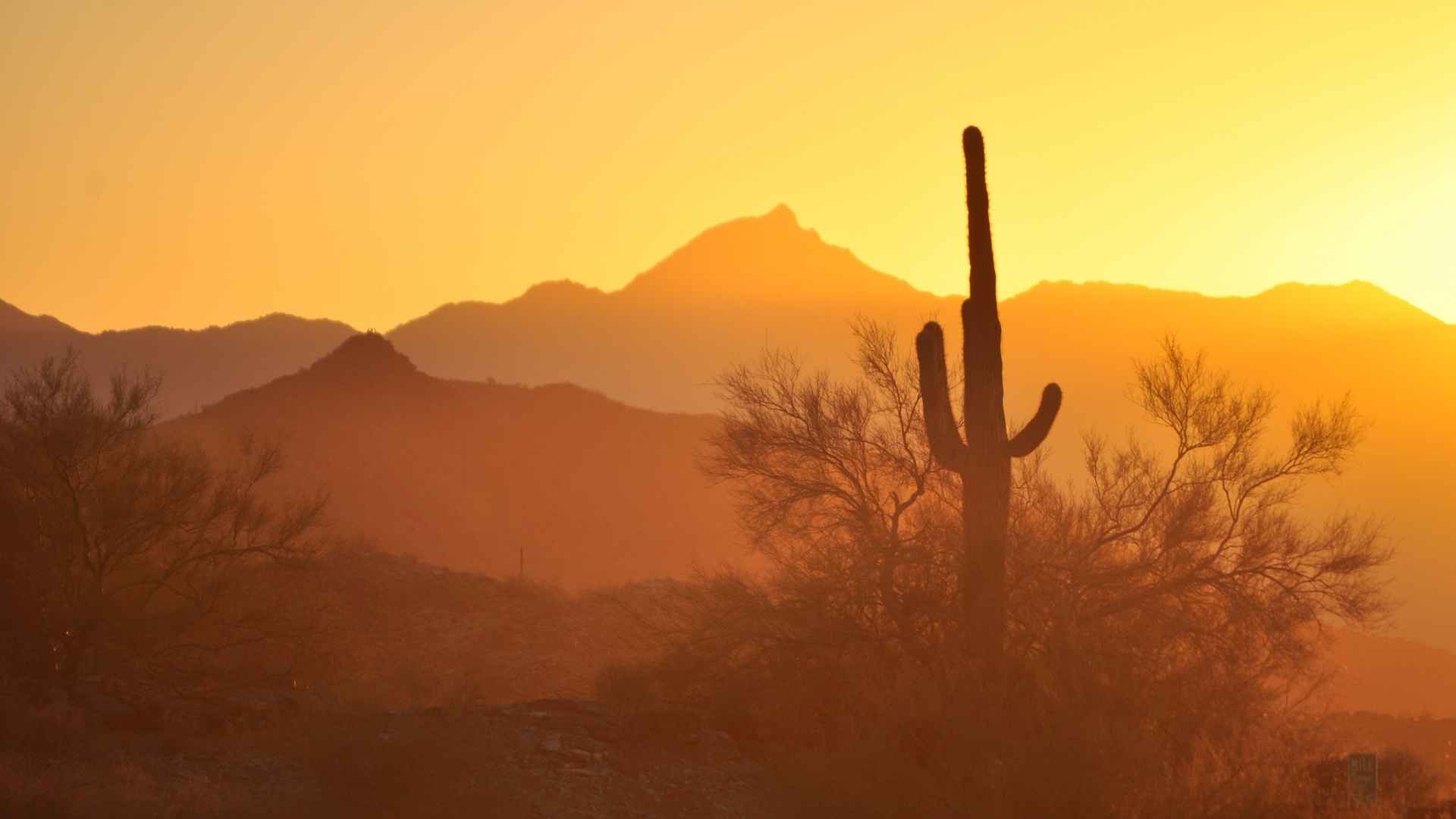
One of the best-known examples is the cactus. Many species grow in deserts where rain may not fall for months. Instead of broad leaves that lose water, cacti have spines. Their thick stems store water when it does rain. Some desert cacti can even expand like an accordion, which helps them hold more water until the next storm arrives.
Surviving the Cold
Far from the heat of the desert, plants face a different challenge in the Arctic. Temperatures can stay below freezing for long periods, and the growing season is short. Arctic mosses and lichens have adapted by staying low to the ground, where they are protected from harsh winds. Some can even continue photosynthesis at temperatures close to freezing. These small plants help support entire ecosystems by providing food and shelter for animals.
High in the mountains, another group of survivors has developed its own solution. Cushion plants grow in dense, compact shapes that trap warmth and reduce exposure to wind. By growing close together, they create a small pocket of protection in an otherwise difficult environment.
Advertisement
The Comeback Plant
Some plants can even survive conditions that seem impossible. The resurrection plant, found in the dry regions of North and Central America, can lose almost all its moisture during droughts. It curls into a dry ball, appearing lifeless. But when rain returns, it absorbs water and becomes active again. Scientists study plants like these to better understand how living things respond to environmental stress.
Adaptation Over Time
Here’s the thing: these plants are not surviving by chance. Their ability to endure comes from countless generations of adaptation. Over time, natural selection favored traits that helped them handle heat, cold, drought, and wind.
Researchers are paying close attention to these natural strategies. As climate conditions change worldwide, scientists are studying drought-resistant and cold-tolerant plants to improve agriculture and protect food supplies. What nature has learned over millions of years may help people solve future challenges.
A Quiet Lesson in Resilience
The story of these plants is a reminder that resilience comes in many forms. They do not escape difficult conditions. They adapt to them. Whether growing in a desert, on a frozen tundra, or high on a mountain slope, these remarkable survivors show that life can find a way to endure and even thrive in places that seem impossible.
 Read Exclusive Stories
 Bookmark & Save Articles For Later