Finding a new medicine takes a lot of patience. It takes 10 to 15 years from the time a scientist discovers a medicine concept in a laboratory to when it is available in pharmacies. In that time, the majority of drugs fail before they ever reach patients.
However, a new partnership between two companies shows how AI can fix that problem.
The Power Of Peptides
One of the focuses of the biotechnology industry right now is the development of peptide-based medicines. Peptides are simply chains of amino acids that instruct the body on how to function.
These medicines are among the safest and most effective at targeting diseased cells in a patient’s body. However, the peptide molecules break down very quickly in the stomach. Thus, they must be injected. This is both inconvenient for the patient and costly for the pharmaceutical company that must develop these medications. Therefore, creating a peptide that can be taken orally is a challenge.
Trading Years For Weeks
Advertisement
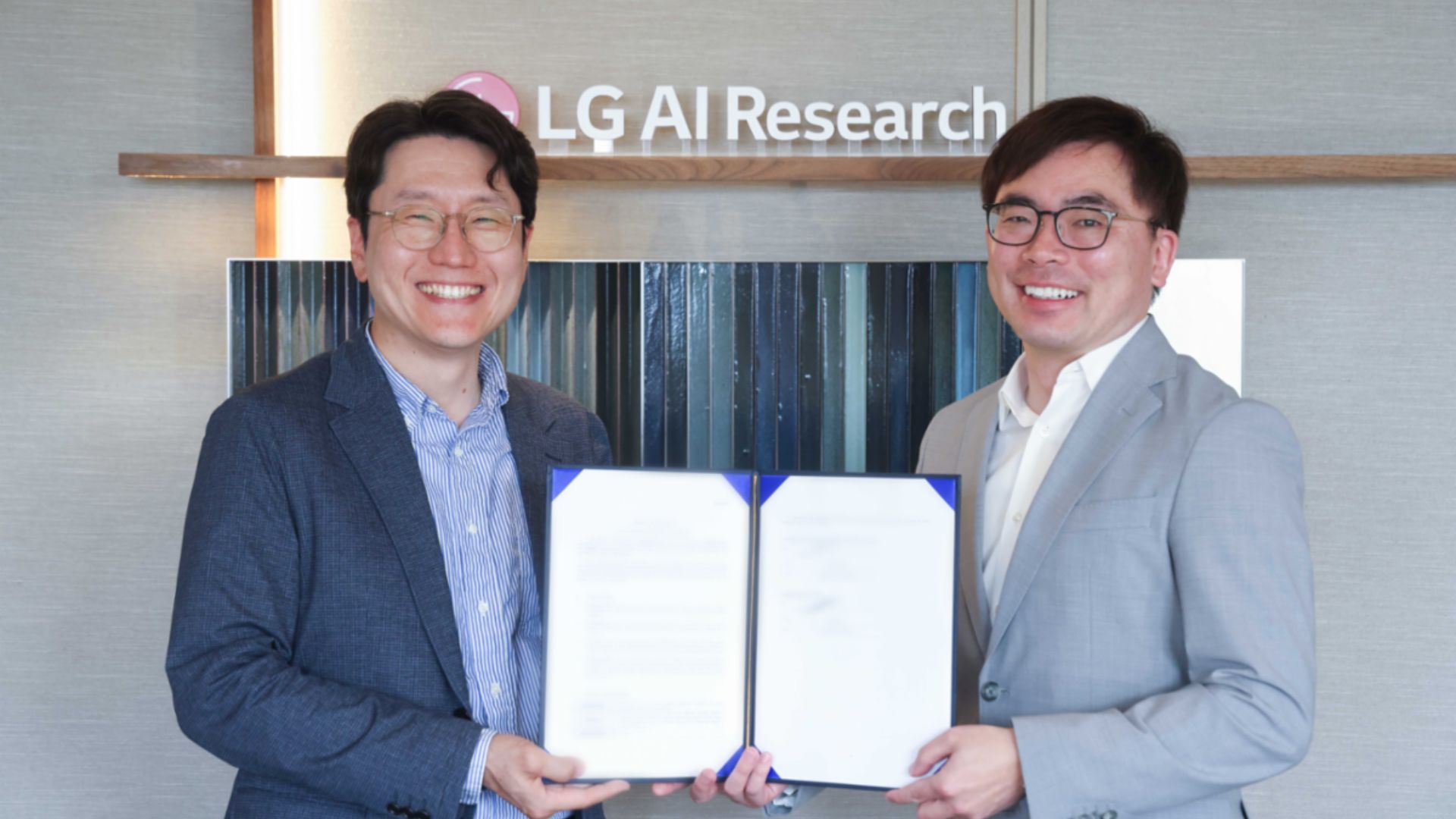
The announcement of a joint project between LG AI Research and D&D Pharmatech would change that.
The two companies would use an AI system to analyze the structure of their diseases. This system would analyze millions of molecular combinations to synthetically create the perfect molecule for the disease.
Work that would normally take years to complete manually is now being completed in a few weeks. The AI systems would be able to create a peptide that would survive the human digestive system, allowing pills to be made for oral use.
A Faster Path To Patients
This new creation process would enable AI systems to design peptide drugs at incredible speed. Those designs would then be analyzed in the laboratory. If a created drug does not fully work with the body’s systems, that data would feed back into the AI so it could create the next drug design with a higher likelihood of success.
Though it will still be a few years before the first of these drugs hits the market, the future of the pharmaceutical and biotechnology industries is changing. AI enables researchers to develop drugs at a much lower cost and in less time to treat complex diseases.
 Read Exclusive Stories
 Bookmark & Save Articles For Later