Nature photographer Alyce Bender has spent a lifetime seeing the world through a lens—literally. In this conversation with Tomorrow’s World Today, Bender shares how her work has evolved from simply documenting what she sees in the field to intentionally telling stories that deepen people’s relationship with the natural world.
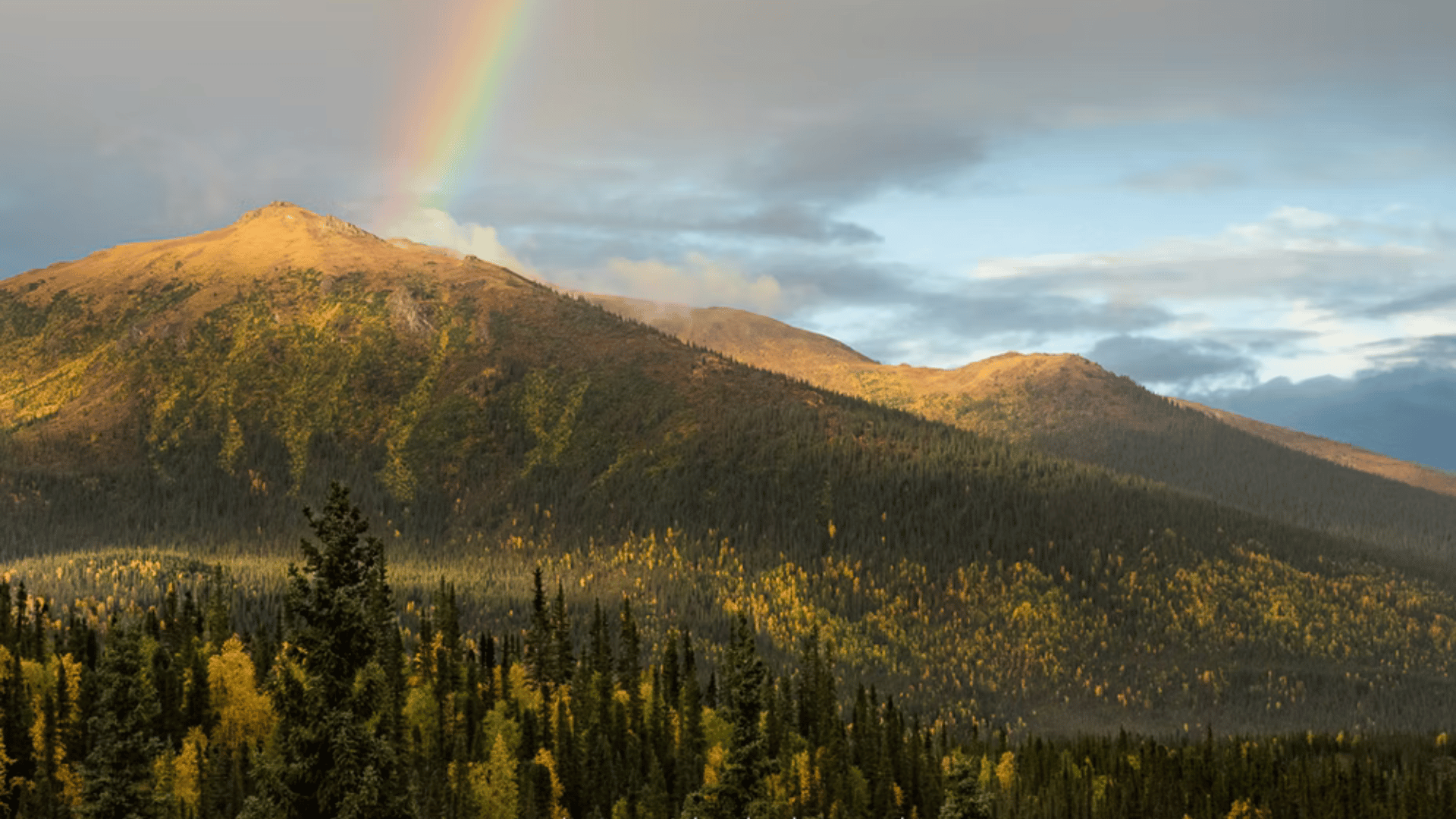
TWT: What brings you the most joy when people see your work, and why?
Alyce Bender (AB): When someone pauses, not just because they appreciate it as a piece of art, but because an image makes them curious about the subject. When a viewer asks, ‘What species is that?’ or ‘Where does it live?’ When the photo opens the door to more learning, and it sparks that curiosity in them, that just exponentially lifts my joy for that work, because that’s at the heart of what I want. I want to bring what I see to viewers who may never be able to get to these places or see these animals. And I want to inspire them to be more curious about it, because the more we can connect people with these species, the more they can care about that, and the more we can protect them. They can care a little bit deeper and recognize that their actions matter in places they explore, or even at home, and what little things they can do that overall improve the Earth.

TWT: How has your work evolved over time? What are your goals for the future?
AB: I think most photographers start out simply by wanting to capture a moment, and that’s how my work started out. I just wanted to capture what I was seeing in the field. But over the years, my work really has become more intentional, more about the storytelling, conservation ethics, and teaching others how to work more responsibly in fragile environments as photographers. [It’s also about] bringing those stories home to teach grassroots conservation through images to connect people with environments, whether they see them or not.
So my future goals revolve around expanding those educational efforts, leading more workshops and tours to expand how many photographers I touch and are able to teach in the field, writing more about ethical fieldwork and how photographers can expand the ethical teachings and work in the field, and how they can impact other photographers in working those responsible ways. And also partnering with conservation organizations that support the species and environments I photograph. I already work with several, such as the Audubon of Kansas, the International Crane Foundation, and the North American Grouse Partnership. I’ve supplied images for those types of conservation organizations to use as needed. I want my images and teaching to continue driving a positive relationship between people and nature, whether that’s other photographers or the general public.

TWT: What type of gear and/or tips would you recommend for anyone planning to hike or spend extended time in nature?
Advertisement
AB: I see this with clients, and I see this with other photographers all the time, [but my tip is to] carry only what you truly use. A lightweight kit allows you to stay present and move safely. I’m a big believer in versatile lenses, weather-appropriate layers, and a well-fitted backpack. Be on gear and know the environment that you’re stepping into. It goes back to being a better naturalist. Know the wildlife, the weather patterns, and the terrain. Tell somebody your plan, stay aware of the impact that you can have, and always pack out more than you pack in. I normally either carry a little trash bag or my cargo pants. I have one pocket that’s normally set aside for any microplastics I come across on the trails, and I pick those up. Preparation and respect go much further than any piece of equipment in my book.
TWT: You’ve spoken to groups across the country about photography and taught at workshops and national photographic conferences. What did you find most rewarding about those experiences?
AB: Teaching gives me the opportunity to watch people connect with nature in real time, especially when we’re out in the field. Whether that’s because they come with me into the field to locations that they would never do on their own, which I have a lot of, or that I see them mastering certain skills. It’s incredibly rewarding to see a student’s confidence grow. It really is that connection not only with what they’re experiencing, but with themselves in that situation. I also really value the conversations that happen around things like ethics and fieldcraft, because those inevitably come up, whether it’s in a classroom or conference-type setting or in the field. Those types of conversations come up, and the more we talk about them, the more they become less taboo. Because things like ethics in nature photography are a gray area. Even national organizations have a hard time defining exactly where the line should be with certain things. So the more we can talk about it, the more we can see and hear out the different nuances from different perspectives.
I really value those conversations that happen. And when someone walks away more aware of their impact, both in the field and out of the field, and more excited to create, that’s a win, both for me, for art, and for the natural world.
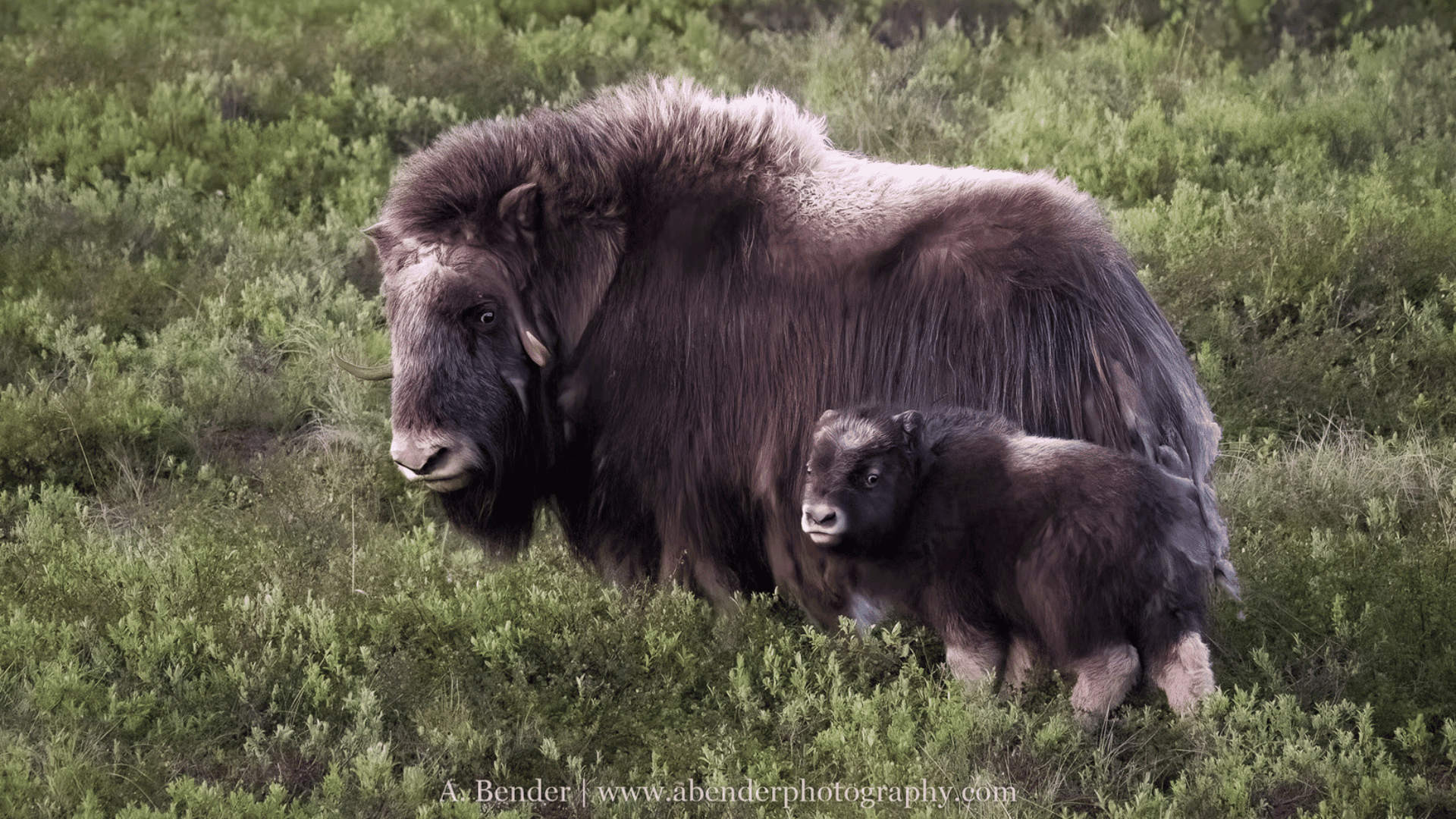
TWT: What advice would you give to aspiring nature photographers?
AB: This is going to apply to aspiring nature photographers just in general, rather than somebody who’s trying to make it a business. I want to preface that. But the biggest thing to me for any aspiring nature photographers is to really start becoming a keen observer of nature. Slow down, learn the behavior of your subject, and do a lot of research. I spend tons of time in my downtime on my phone, not playing games, watching TikTok, anything like that. It’s just reading more about different subjects that I might come across in the field. If I’m going to a new location, I’m reading about the weather, the terrain, and delving into more about the natural behavior of whatever wildlife species might be there. It’s this periphery-type research that is really just what I live and breathe.
And spend time in the field, even if the conditions aren’t perfect for photography. Nature photography isn’t about chasing the most dramatic moment. It’s about building a relationship with the landscape and its inhabitants. Stay curious, stay ethical, and remember your presence in the field matters just as much as the photos you’re bringing home, because the more time in the field, that’s more time you’re learning, you’re observing, and you’re able to really mesh with the stories that you’re trying to tell.
For more information about Alyce Bender and her projects, follow her on Instagram and on abenderphotography.com.