Lori A. Cash’s journey as a nature photographer is rooted in a lifelong love of the outdoors and a commitment to conservation that continues to grow, just like her furry subjects. What began with an Instamatic camera and summers at Reelfoot Lake has evolved into a distinguished career capturing wildlife and fragile ecosystems across the eastern United States.
In this exclusive interview with Tomorrow’s World Today, Cash reflects on her path into nature photography, the moment that transformed her into a conservation storyteller, and why safeguarding our planet has become her life’s purpose.
Tomorrow’s World Today (TWT): Tell us about yourself and what inspired you to begin your work in nature photography.
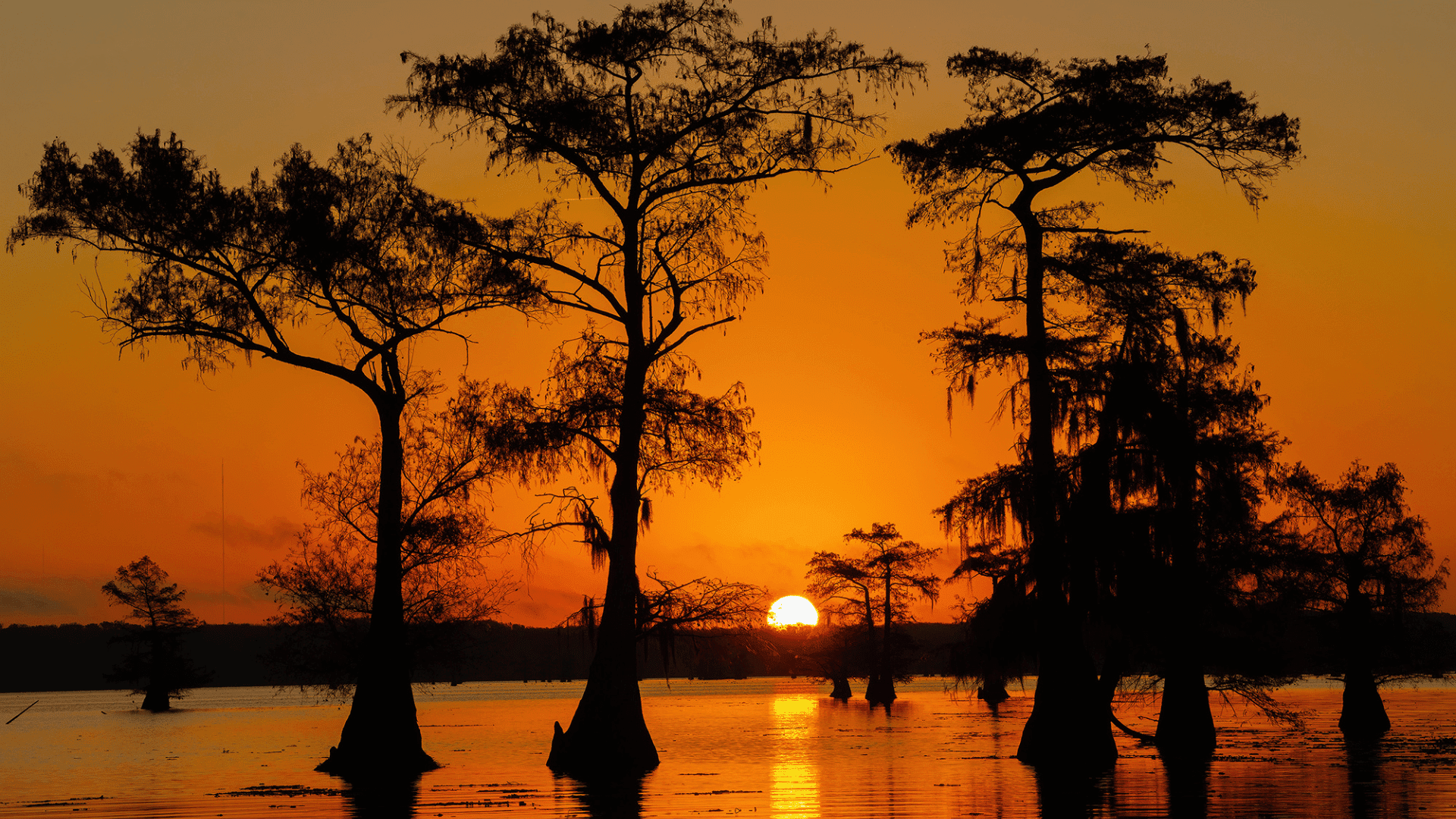
Lori A. Cash (LAC): I was born and raised in Memphis, Tennessee. As a child, I always loved being outdoors, playing with the neighborhood kids from dawn to dusk. This began my love for nature and the outdoors. In my young teenage years, I would spend summers with my retired grandparents who had a trailer parked at a campground at Reelfoot Lake in Tennessee. I would spend all day, every day, either fishing out on the waters with my grandparents or running around to the different areas along the shoreline. I really came to appreciate and have a love for being on the water. Of course, I carried my little Instamatic camera around the campground, taking pictures of the fish we caught or whatever intrigued me in nature. I grew up wanting to be a photojournalist.
I joined the US Coast Guard when I was 20 years old and planned to go to photojournalism school in the Coast Guard. However, no one ever told me that photojournalism school was extremely popular and had a 6-year wait list. So, at that time, things did not work out. However, in 1990, I bought my first interchangeable lens camera, the Pentax K1000. I was stationed in Rockland, Maine, where beauty abounded in this state, with such beauty of snowy scenic views to mountaintop views of the harbor below. So, I began my venture in nature photography in Maine as a hobbyist and won my very first photography award for 3rd place in 1991 at the annual Lobster Festival in Rockland. After my honorable discharge from the US Coast Guard, I moved to Virginia, where I took my first of several formal photography classes, with one involving wildlife photography. I have spent most of my career as a wildlife or bird photographer, where I spent the majority of my time on the beaches and in the fields photographing birds on the Outer Banks of North Carolina.
TWT: How would you describe your style as a photographer?
LAC: I have photographed wildlife and nature subjects for almost 36 years now. Conservation photography actually became its own distinct field or genre of photography in 2005. I felt like I was already practicing conservation photography through my wildlife and nature images.
How I photograph nature and wildlife is to find the beauty within that subject that would make someone fall in love with my image. And when these strangers fall in love with my beautiful subjects, I hope that they will see the soul and beauty of my images, which took much love and patience to create. I hope I will inspire others to appreciate our natural world and want to protect it.
At that time, I was living near the Outer Banks of North Carolina, and my images were seen around the Outer Banks through covers of local Chamber Guides, bird festival guides, magazines, newspapers, and even had products in a local gift shop, as well as doing the art fair shows. During that time period of my photography career, my images were being seen, purchased. Hopefully, my subjects were motivating folks to love the outdoors and nature.
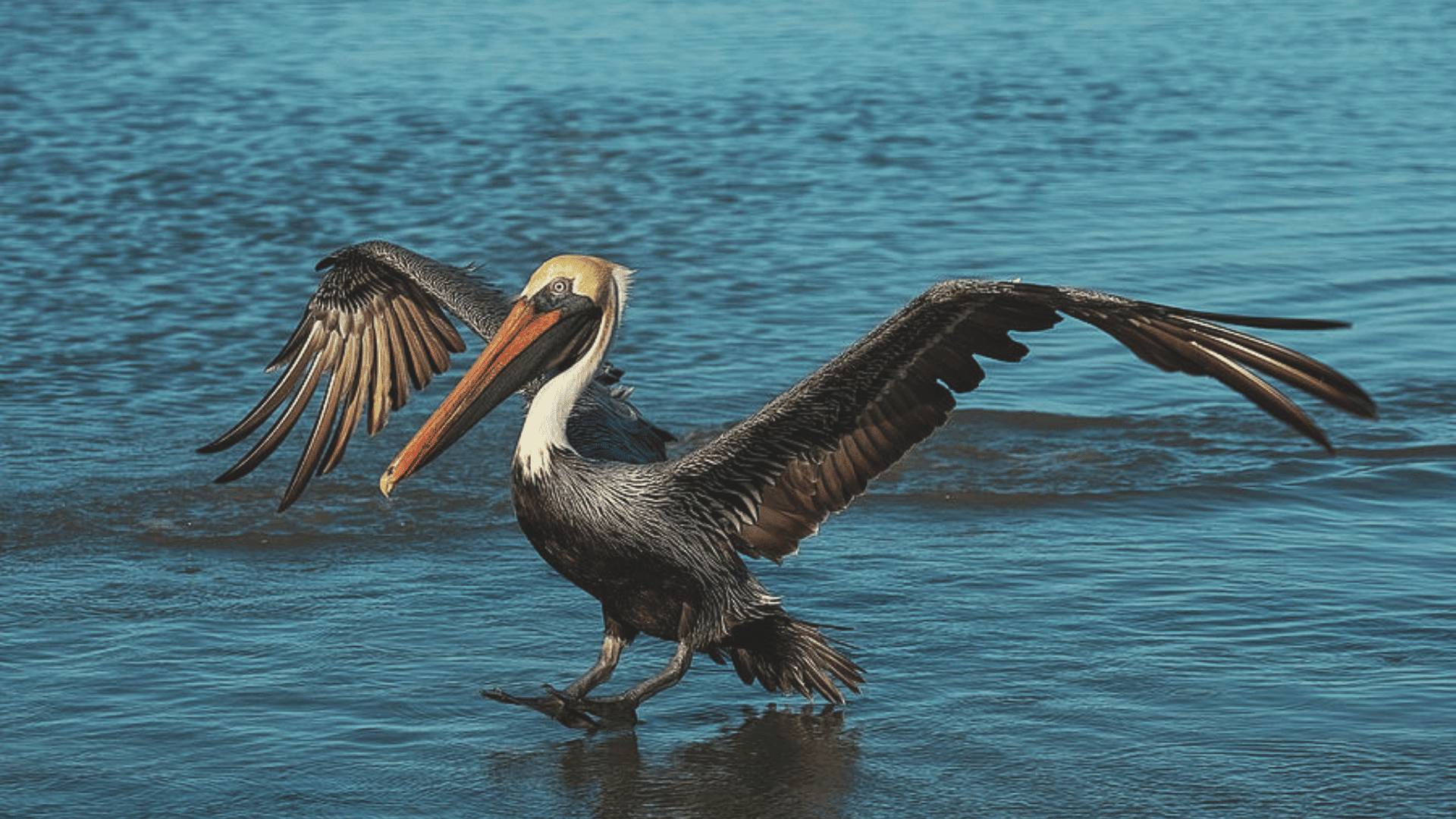
But something happened to me one particular early morning before sunrise while out in the field. I was in Virginia photographing brown pelicans as they woke up from sleeping on pilings overnight. These pelicans were situated between me and the rising sun, which gave me a wonderful opportunity to do some pelican silhouette images.
I was focused on this one pelican that began moving about and eventually stood up on the piling. Then the pelican began a very elusive behavior called a pelican head throw. Most photographers have not been able to capture this behavior where the pelican stretches its gular pouch and throws and points its head up towards the sky while stretching its long neck and gular pouch. This head throw helps the pelican to be ready to have a lot of water intake in its pouch when it catches fish.
Advertisement
Seeing this elusive behavior in front of me for the first time after photographing pelicans for nearly 25 years awakened something new in me. It just hit me that I wanted to share that story about the pelican. At that compelling moment, I knew I wanted to be more than just a wildlife and nature photographer. I always loved to write, and now I could be a conservation storyteller and a conservation photographer.
TWT: What is it specifically about the natural world that inspires your work?
LAC: Personally, I feel a spiritual connection to our nature, the outdoors, and our natural world. There is a saying, “Nature is my religion and the Earth is my church.” I had a difficult childhood, so being outside in nature was where I found peace. In my earlier adult years, I would hike mountains in Maine, kayak, and, of course, being in the US Coast Guard, spend a lot of time on boats. I spent most of my young adulthood outside appreciating the wonders of our ecosystems with flowers, birds, wildlife, water, and mountains.
The tranquility I feel outside is still with me as I am getting older in life. A couple of years ago, I joined the Sierra Club as a lot of their beliefs aligned with mine. Sierra Club’s mission statement states that they practice and promote responsible use of the earth’s ecosystems. They educate, protect, and restore the quality of the natural and human environment. They have been a big proponent of the Endangered Species Act.
These days, I’m very motivated to spread the word through my writing/articles and photography about wildlife and environmental/nature conservation concerns that we have, especially in Virginia and throughout our world. Truthfully, I am really concerned about our natural world these days. Every day I am in the field, I can see the changes in our climate. I see changes in wildlife and birds’ eating habits, the declining populations of pollinators, the decline of milkweed and other host plants for insects and pollinators, and more. I go out to photograph the waters and see the sea level rising in the area I live, the tearing down of forests for housing, and so much more. This gives me purpose every day to try to make my area, my state, my country, and my world a better place than it is now. I want to have a natural world with our ecosystems thriving for future generations.
TWT: Your nature photography has a conservation focus. Why are conservation projects important to you?
LAC: Honestly, I believe I had the mentality of a conservation photographer long before it was an actual field of photography. I think I was born just a little too early in life to be that conservation photographer and storyteller who travels the world sharing nature’s stories with others. But I do what I can in the area in which I live. I fight for wildlife, birds, pollinators, our environment, and our waters through my words and images.
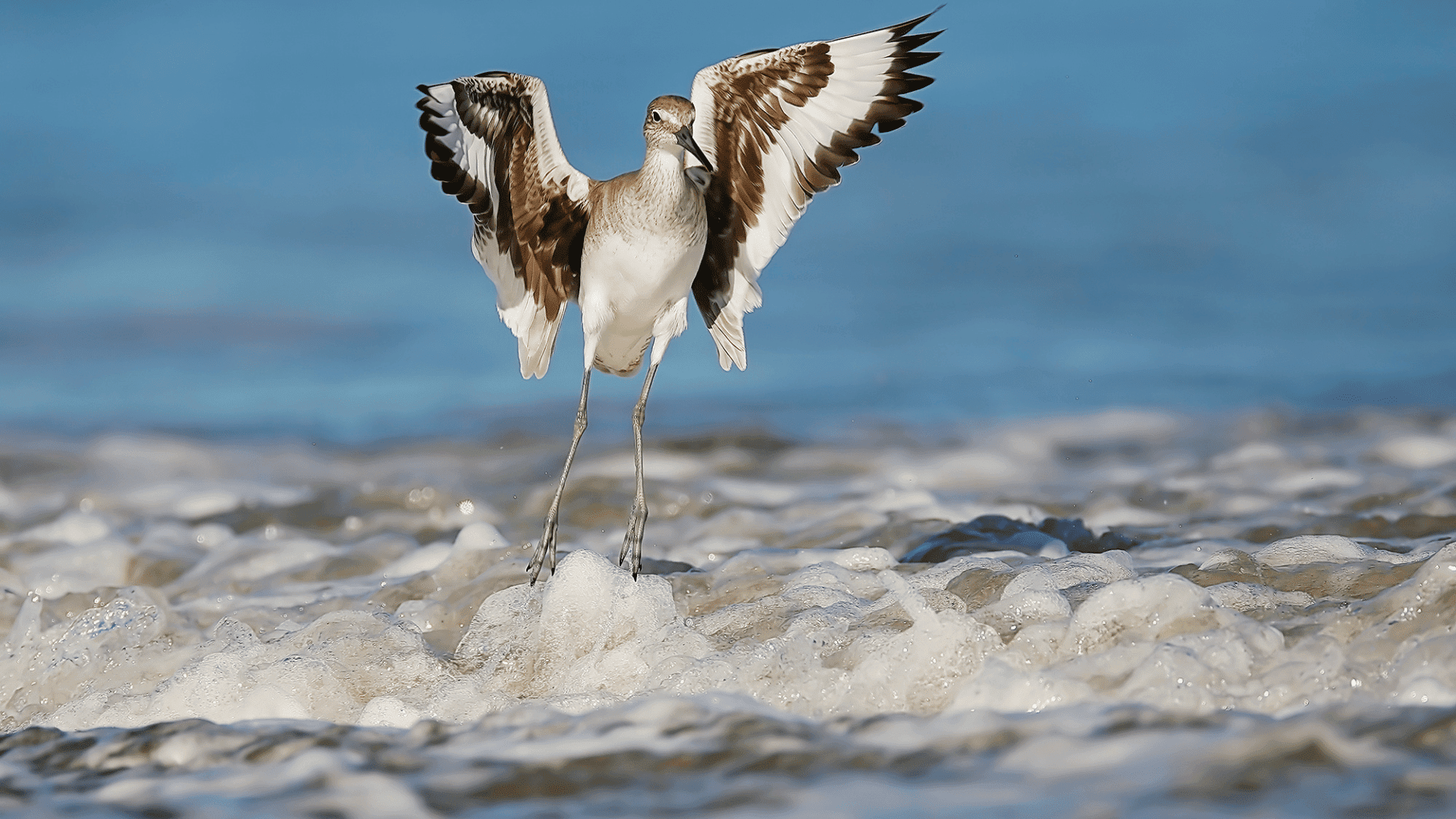
Since the beginning of my taking pictures of places, wildlife, or birds, I’ve always practiced responsible photography in the field. Sometimes, I would be lying on the sand on the beach for hours waiting for the magical moment with a shorebird. But I did not mind being outside in the sand. I have always found solace and peace in nature and behind a camera. My goal back then was to take great images of my subjects to share with the world in hopes that others would appreciate our natural world by seeing the beauty in the image I captured. And this has always guided me in my photography career.
In 2021, I officially began focusing on conservation issues in Virginia by first working with Wild Virginia as a volunteer and partner photographer on the area of wildlife crossings and allowing my images to be used for Wild Virginia’s campaign on passing a Wildlife Crossing Action Plan, which finally did pass and secured money in the state budget for wildlife crossings in the 2025 legislature session. Virginia now needs to secure some federal funding for wildlife crossings, but those funds have been put on hold by our federal administration. So, there is still work to do with the wildlife crossings here in Virginia.
The habitat connectivity project and my Butterfly Habitat Oasis Project are my main focus. Although I still work on other conservation stories in my area, but do so on a smaller scale. These conservation projects are important to me, as are most other conservation issues that deal with our nature and wildlife.
For more information about Lori A. Cash and her projects, follow her on Instagram and on loriacash.com. Click here to browse her fine art prints and print-on-demand products.