Companies are looking deep into the water for the critical mineral Lithium to help address global supply chain issues. Researchers at Fraunhofer IEG are working with industry and university partners to extract lithium from the deep waters of the North German Basin.
Deep Diving For Lithium
The research team wants to build a reliable system that can handle various types of local water. They are now testing a mobile pilot plant for a project called RoLiXX, backed by €2.8 million from the German government.
“Europe needs its own sources of strategic raw materials. With RoLiXX, we are demonstrating how critical raw materials like lithium can be extracted regionally,” said Tilman Cremer, project manager at Fraunhofer IEG. “Our approach relies on existing infrastructure and on processes that are economical, efficient, and sustainable.”
Cremer added, “By developing the lithium deposits in the North German Basin, Germany could play a central role in meeting German and European demand in the future.”
Heat and Minerals
The project looks at two main areas. First, the science team is studying rocks about three to five kilometers underground. These sandstones and volcanic rocks are roughly 300 million years old and hold lithium-rich water. Samples from existing deep holes allow the team to map where the lithium is, spanning from the Dutch to the Polish border.
Second, the technical team is trying to pull lithium out of the salty water that geothermal plants already pump up for heat. This means a single plant could provide both green energy and raw materials. However, this is a challenging task. For example, the salty water can rust metal parts and leave behind crusty mineral buildup when temperature or pressure changes. The team needs to stop this buildup so the machinery keeps running smoothly.
A Factory on Wheels
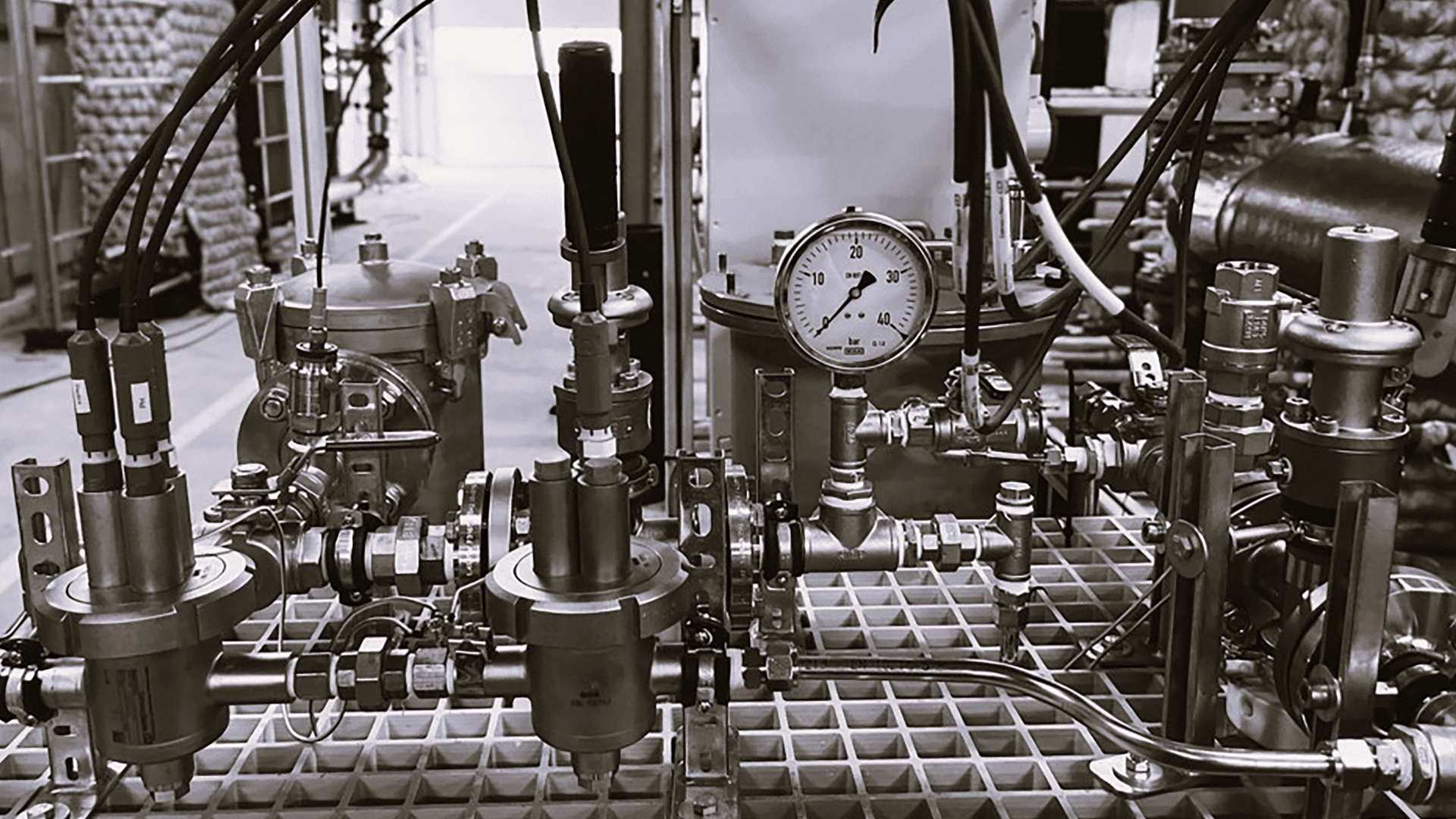
Fraunhofer IEG built a small, flexible pilot plant to test everything. According to the engineers, the plant weighs about 250 kilograms and fits inside a van. It is designed to be clean, leaving no solid waste behind and keeping the water safe to go back underground.
“We deliberately designed our pilot plant to be mobile, but also easily adaptable to deep waters of varying composition,” explained Cremer. “This would allow many thermal water operators to quickly and easily test the feasibility and assess the economic viability of their own lithium extraction.”
 Read Exclusive Stories
 Bookmark & Save Articles For Later