Hospitals such as Johns Hopkins now treat liver tumors without surgery or needles using a method called histotripsy. The name comes from Greek words that mean breaking down soft tissue. The FDA approved this technology in 2023, and it helps patients recover more easily than with surgery or ablation.
A Non-Invasive Treatment for Cancer
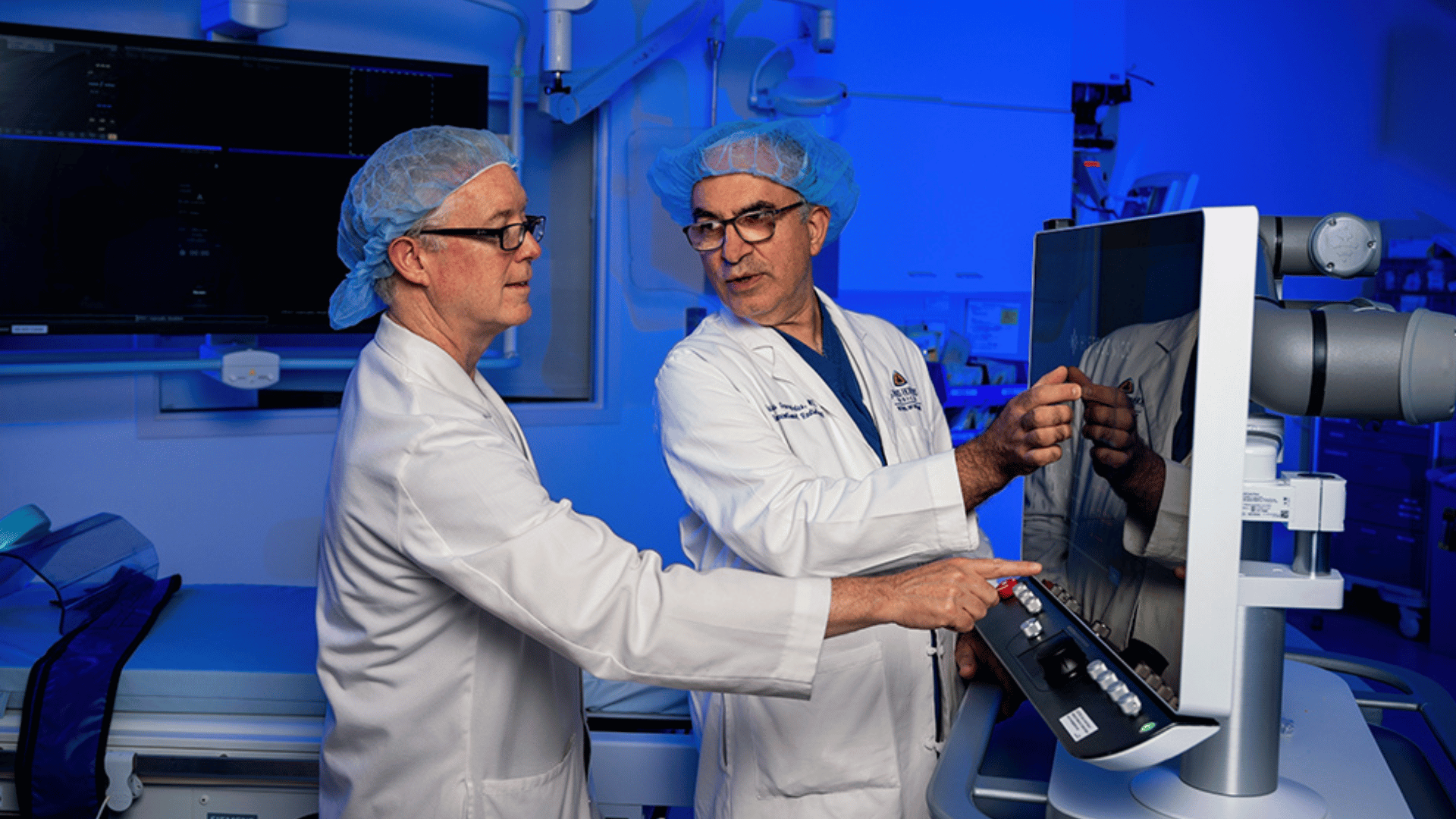
Traditional treatments use needles to freeze or heat tumors, or catheters to deliver chemotherapy. Histotripsy is different because it is completely non-invasive. The machine sends focused ultrasound waves that create tiny bubbles inside the tumor. As pressure builds, the tumor tissue breaks down, and the immune system removes the waste.
The outpatient procedure takes just a few hours, mostly to calibrate the machine for precise targeting. Patients receive general anesthesia to limit movement, and they can go home the same day.
“I have to give a lot of credit to Dr. Horton for being so proactive in this,” Robert Liddell, the division chair, said. “She had the foresight to not only embrace the technology, but that radiology should offer it.”
Advertisement
Doctors are selective because ultrasound cannot easily pass through air or bone, so it does not work for tumors in the lungs, chest, brain, or deep pelvis. Liddell says that the general rule for candidates is “small, accessible, and few.” This means a patient should have just a few small tumors under 4 centimeters that are easy to see on an ultrasound.
Looking Toward the Future
Even with these limitations, the initial results look promising. Christos Georgiades, a professor of radiology, has seen some tumors completely regress in a few months. “I am very enthusiastic, but it is early. Early results are encouraging, but long-term data is not yet available,” he explained.
“It’s another tool within the armament of IR and cancer doctors here at Johns Hopkins,” Liddell added. “Along with surgery, radiation, and chemotherapy, this is another tool in the toolbox and another option.”
While it is only approved for liver tumors, clinical trials are underway for the kidneys. Researchers are also studying other targets like the thyroid and pancreas.
 Read Exclusive Stories
 Bookmark & Save Articles For Later