Have you ever walked through a park in autumn and looked at the leaves on the ground? Most people just see yard waste. But for one Japanese artist, those dry leaves are the perfect canvas for creation.
The artist goes by the name Lito, or Lito Leaf Art. He uses a traditional Japanese paper-cutting style called Kirie. But instead of using paper, Lito carves miniature, detailed stories directly into real tree leaves.
Turning a Diagnosis Into a Superpower
Lito did not always make a living from art. In fact, he never went to art school. For years, he worked a regular corporate job, constantly struggling to fit in. He found it hard to stay organized and often made minor mistakes. At age 30, a doctor diagnosed him with ADHD, which is attention-deficit hyperactivity disorder.
Lito realized that his mind worked differently. While he struggled with office tasks, he had an incredible ability to hyper-focus on tiny details for hours. He decided to find a career that turned this supposed weakness into a massive strength. In 2020, he found his calling in leaf carving.
How to Carve a Leaf
Advertisement
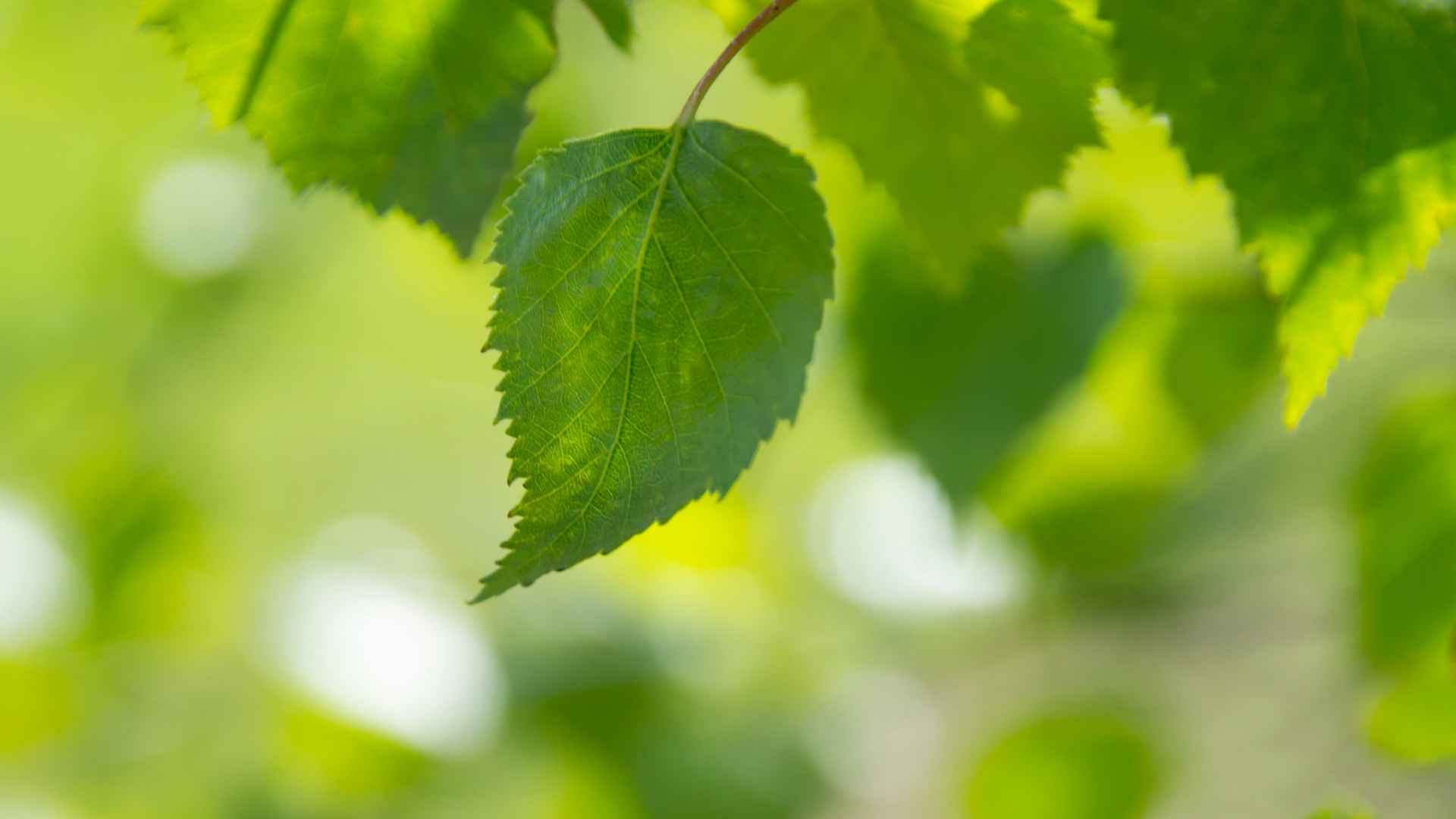
The creation process requires extreme patience. Lito starts by gathering fallen leaves. He treats them with a special liquid chemical to stop them from drying out too fast and crumbling into dust. Next, he uses a regular pen to sketch a detailed scene onto the surface.
Then comes the hard part. Armed with a tiny, sharp design scalpel, Lito slowly cuts away the green tissue of the leaf. Here is the trick: he must leave the leaf’s natural veins completely untouched. The veins act like a wooden frame or a skeleton, holding the entire fragile design together. One single wrong cut through a main vein can cause the whole piece to fall apart. Some of his most complex pieces take over eight hours of continuous work in a single sitting.
Tiny Worlds with Big Stories
Lito’s artwork looks like scenes from a children’s book or a Studio Ghibli movie. He often carves playful animal characters, such as a tiny frog holding an umbrella, a rabbit riding a motorcycle, and even intricate recreations of classic Japanese wave paintings.
Once a piece is finished, Lito holds the leaf up against the open sky and takes a photograph. The natural sunlight pours through the empty spaces, creating a glowing silhouette.
Lito’s work is a great example of the Japanese concept of Wabi-Sabi, which means finding beauty in things that are imperfect and temporary. It shows how the intersection of nature, biology, and human patience can turn a simple piece of forest debris into a valuable collectible. By sharing his daily creations online, Lito has inspired millions of people to view the natural world around them with fresh eyes.
 Read Exclusive Stories
 Bookmark & Save Articles For Later