Cold Spring Harbor Laboratory Professor Nicholas Tonks knows the heartbreaking impact of Alzheimer’s Disease firsthand. His mother lived with the disease. He describes the experience as a “slow bereavement.” Tonks explained, “You lose the person piece by piece.”
Most talk around Alzheimer’s focuses on “plaque” in the brain. This is actually a buildup of a peptide called amyloid-β (Aβ). While it occurs naturally, it can clump together and drive the disease forward. Now, Tonks and his team, including Yuxin Cen and Steven Ribeiro Alves, have found a new way to help the brain fight back.
Helping the Brain
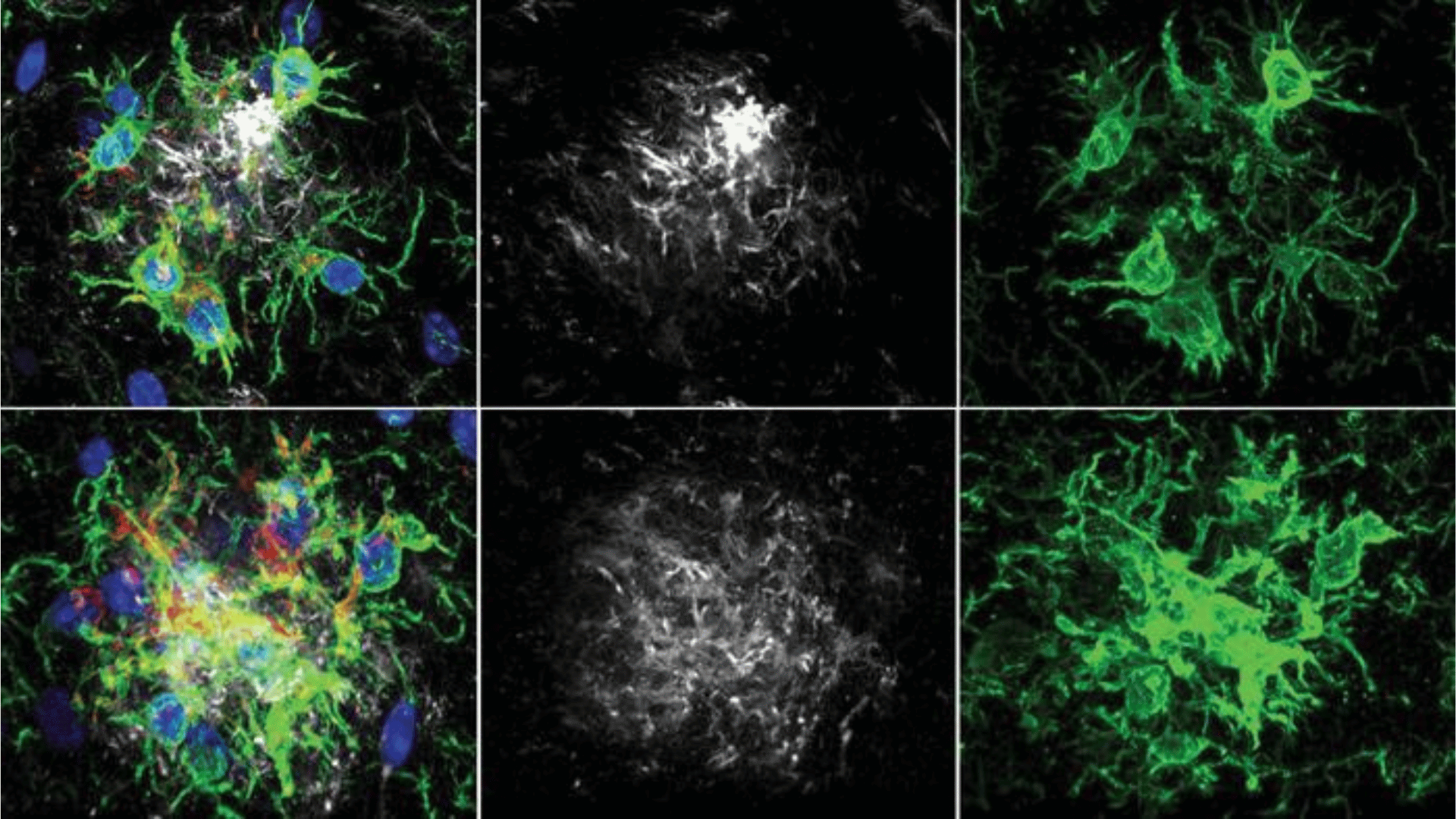
The team discovered that blocking a protein called PTP1B can improve memory and learning, at least in mouse models. It turns out PTP1B interferes with the brain’s natural immune cells, called microglia. These cells act like a clean-up crew, clearing out debris like that harmful plaque.
Graduate student Yuxin Cen explains that as the disease progresses, these cells just can’t keep up. “Over the course of the disease, these cells become exhausted and less effective,” Cen said. “Our results suggest that PTP1B inhibition can improve microglial function, clearing up Aβ plaques.”
Advertisement
A New Target For Treatment
This discovery is particularly interesting because PTP1B is already a known factor in obesity and type 2 diabetes. Since both of those conditions are risk factors for Alzheimer’s, targeting this specific protein makes a lot of sense.
Current treatments on the market focus mostly on clearing out plaque, but they often provide only small improvements for patients. Postdoctoral fellow Steven Ribeiro Alves thinks a broader approach is better.
“Using PTP1B inhibitors that target multiple aspects of the pathology, including Aβ clearance, might provide an additional impact,” Ribeiro Alves said.
The lab is now working with a company called DepYmed, Inc. to turn these findings into actual medicine. Tonks doesn’t think this will be a single “magic pill.” Instead, he sees a future where doctors combine different therapies to get the best results.
“The goal is to slow Alzheimer’s progression and improve quality of life of the patients,” he concluded.