It is extremely difficult to detect lung cancer early. Researchers from Georgia State University, however, are simplifying early detection with a new MRI contrast agent. According to the research team, the new tool helps doctors detect invasive and metastatic lung cancer more accurately than older imaging technology.
While it can quickly detect early signs of cancer, it can also spot tumors as small as a millimeter.
“Lung cancer is often diagnosed only after it has spread, when treatment options become more limited,” said Jenny J. Yang, the study’s co-leader and a professor at Georgia State. “Our technology can detect tiny tumors and hidden metastases without exposing patients to radiation. It also helps reveal how aggressive a cancer may be and how likely it is to spread, potentially reducing the need for invasive biopsies.”
Targeting the Cancer
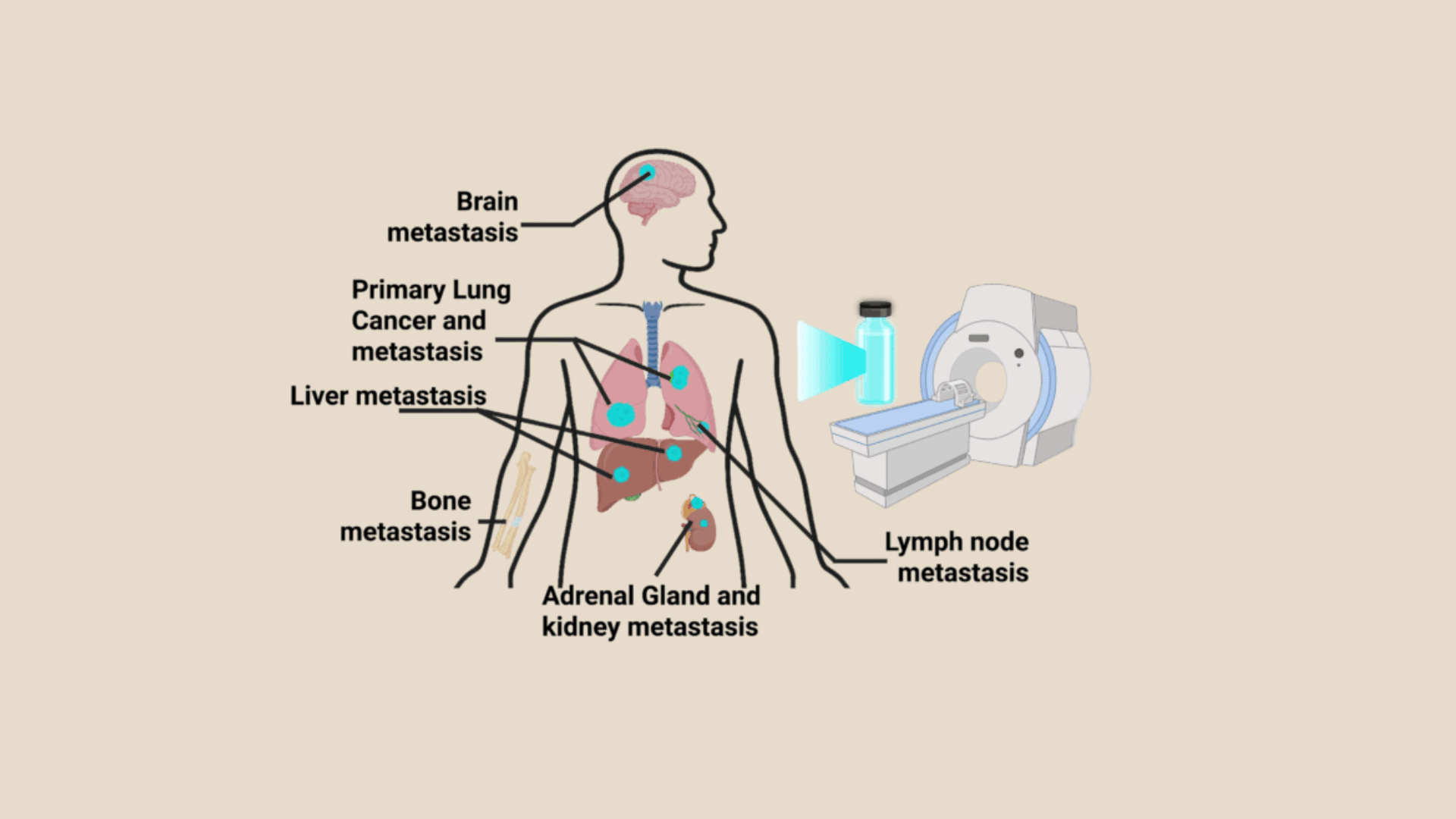
The new agent, hProCA32.Collagen, is protein-based and specifically looks for type I collagen, a structural protein that shows up in high amounts in aggressive lung tumors. Targeting this abnormal collagen enables the MRI to highlight small tumors and cancer that has spread to the lungs, adrenal glands, and kidneys.
The team found this method works especially well on aggressive lung adenocarcinomas, stubborn cancers that often resist normal treatments and spread to other organs.
The Georgia State researchers had help from two other teams at two separate universities. While the Georgia State team handled the MRI methods, researchers at Emory University brought cancer biology expertise, and the University of Alabama at Birmingham helped with imaging physics.
“This breakthrough was made possible through a close collaboration between Georgia State University and Emory University, bringing together complementary expertise in advanced imaging and cancer biology,” said Wei Zhou, study co-leader from Emory’s Winship Cancer Institute.
What This Means for Patients
When all was said and done, combining new imaging tools with cancer models, allowed researchers to see lung cancer spreading earlier than before. As a result, it could help doctors create better, personalized treatment plans, while determining high-risk patients, choosing the right treatments, and monitoring the success of therapy over time.
“This is a game changer for cancer diagnosis and precision medicine,” Yang said. “For the first time, we’ve shown that precision MRI can detect tiny tumors and whole body metastases without using harmful radiation while also providing important clues about how aggressively a cancer may behave.”
Advertisement
 Read Exclusive Stories
 Bookmark & Save Articles For Later