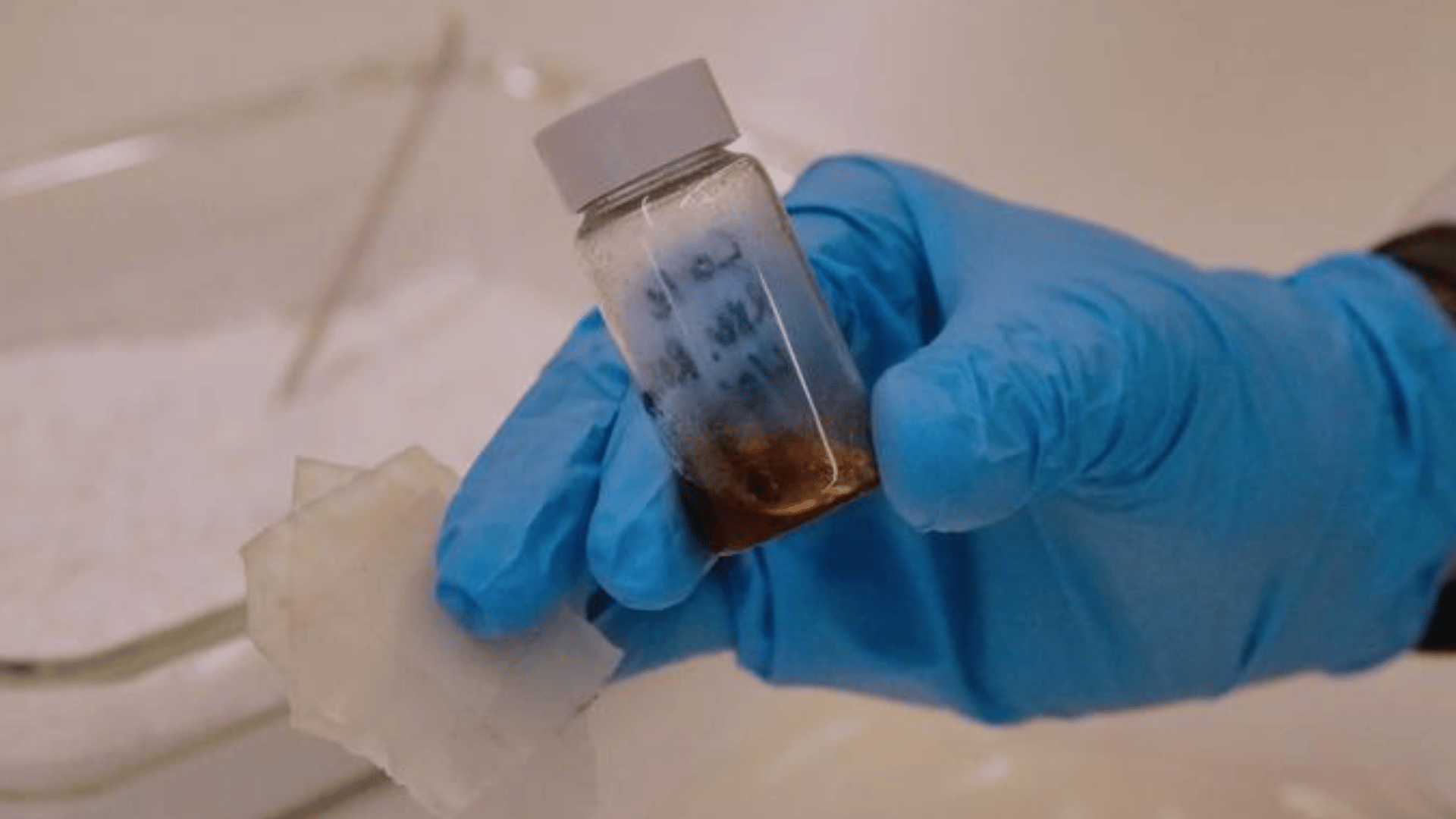
After a heart attack, the muscle damage left behind is usually permanent. Adult heart cells cannot fix themselves once they are damaged, and current treatments only slow down the decline.
Luckily, researchers from the University of Cambridge have developed a way to help damaged hearts bounce back, using a new treatment that “encourages” injured muscle cells to heal.
Helping Heart Cells Multiply
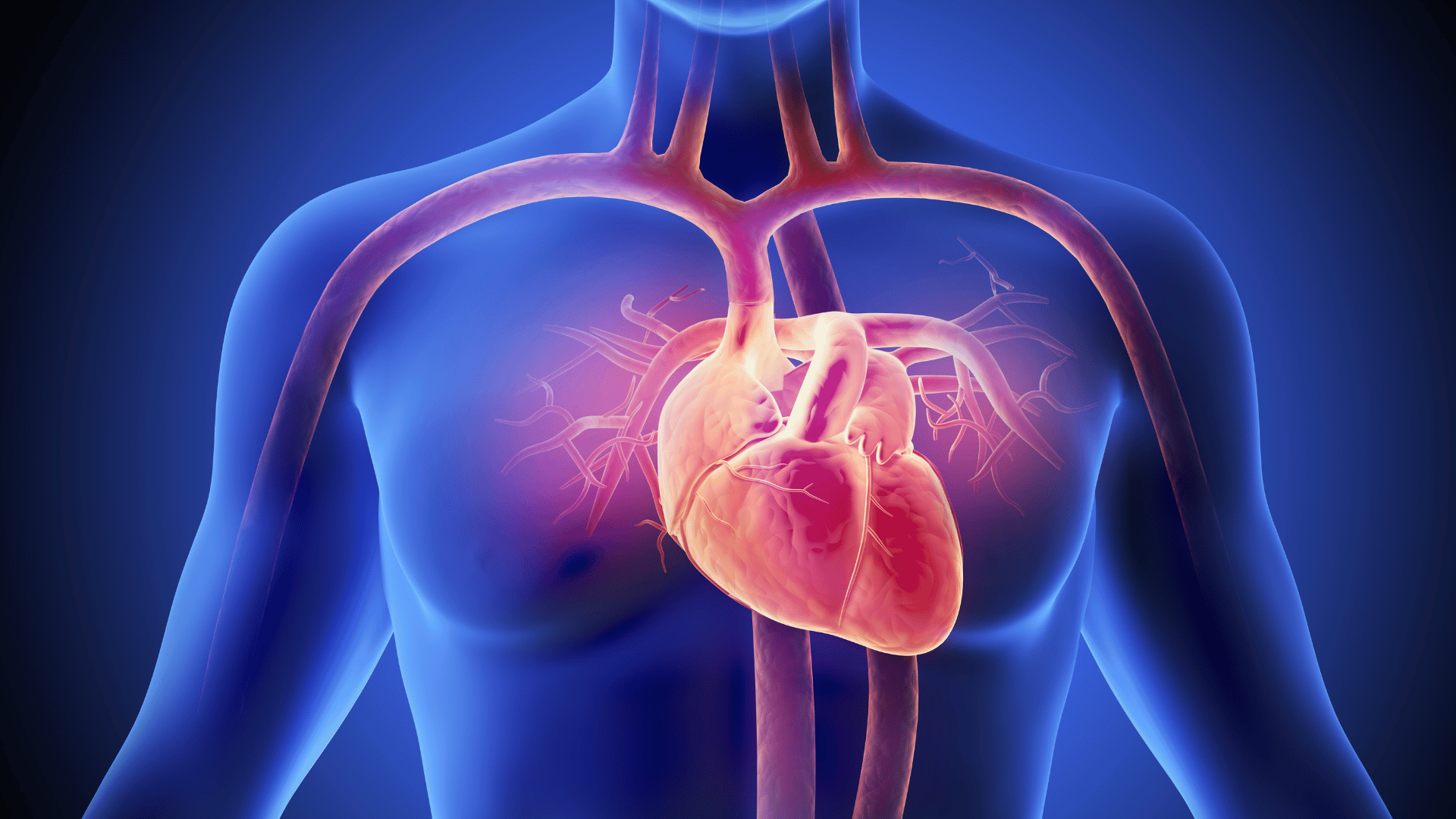
The new approach relies on mRNA therapy to temporarily wake up two specific proteins inside heart cells, known as Myc and Cyclin T1. When these proteins turn on, they prompt the heart muscle cells to divide again and rebuild the damaged areas.
In tests on mice that had suffered heart attacks, the therapy made a noticeable difference. The treated mice ended up with stronger heartbeats, and their hearts pumped about 10% more blood with each beat compared to mice given a mock treatment.
Advertisement
While an extra 10% might sound modest, it matters a lot in real life. It is not an outright cure, but even small bumps in heart function help patients live longer and handle everyday tasks with much less strain.
“These are really exciting results,” Dr. Catherine Wilson, an Associate Professor at the University of Cambridge’s Department of Pharmacology and Gurdon Institute, and co-senior author of the study, emphasized. “There’s no cure for heart failure, and our treatment could potentially have a meaningful impact on the quality of life of millions of people around the world.”
The Path Ahead
In the UK alone, around 200,000 people are diagnosed with heart failure every year. Existing drugs can ease their symptoms, but they cannot bring back dead heart muscle.
Wilson added, “We’re not just treating the symptoms of heart failure – this approach could help the heart to repair itself.”
The research team is now working to improve the therapy, backed by fresh funding from the British Heart Foundation. The scientists still need to run trials in larger animals to make sure the method is completely safe and works as intended, but it offers a genuinely hopeful step forward for cardiac medicine.
 Read Exclusive Stories
 Bookmark & Save Articles For Later