Liver cancer is generally considered one of the more difficult cancers to treat, especially if it is caught late or if the liver is already damaged. Another factor is how tumors change from person to person. In short, no two tumors are the same. Oftentimes, treatment varies for each patient depending on the disease or specific changes. Immunotherapy is considered a promising treatment, but it doesn’t work for everyone.
At the University of Basel in Switzerland, a research team developed a collection of 35 lab-grown tumors to explore better treatment options.
Growing Mini-Tumors
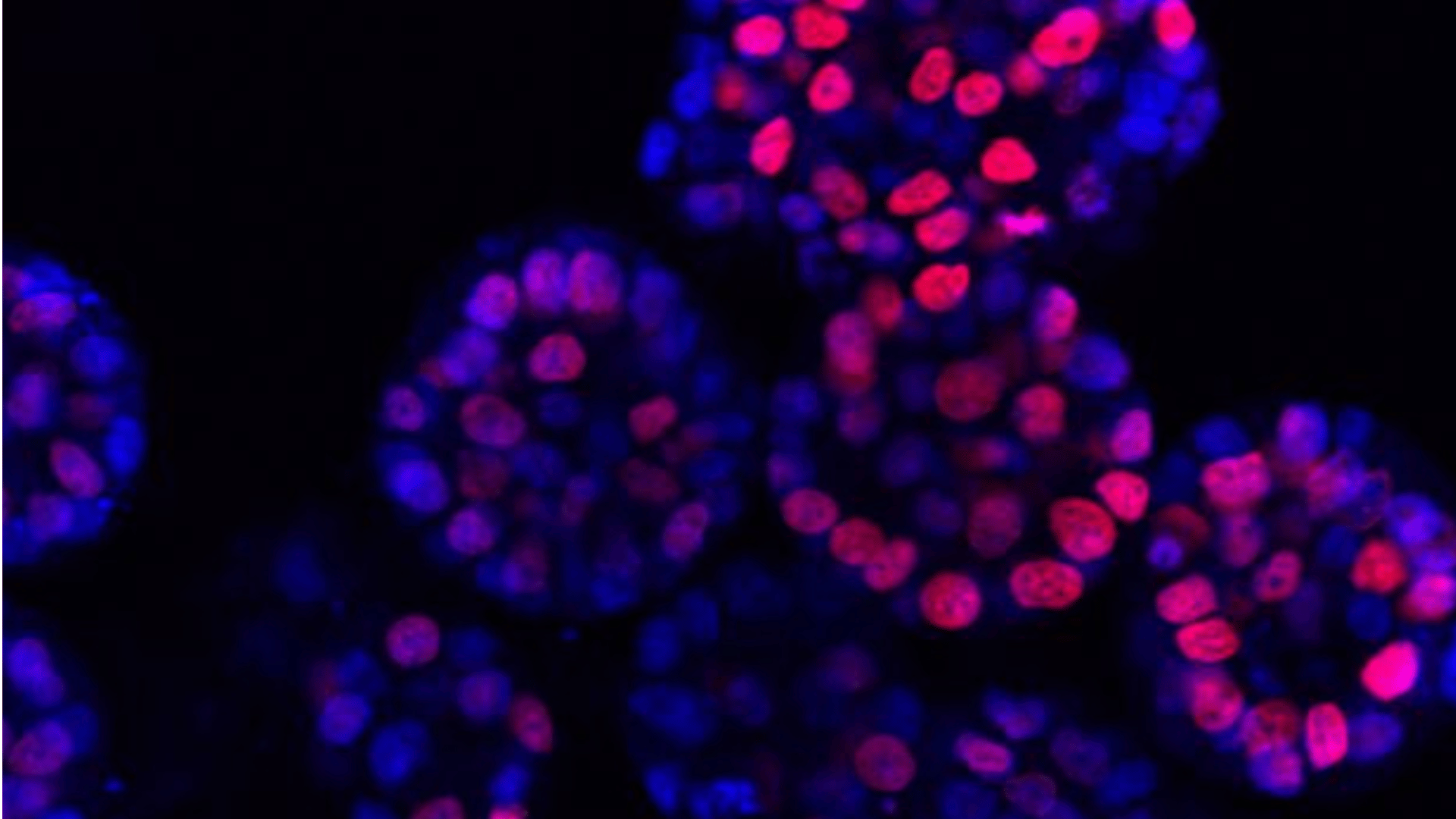
These mini-tumors, called organoids, are small 3D structures made of living cells from hepatocellular carcinoma, the most common form of liver cancer. They act a lot like the original tumors because they are made of real liver cancer cells. The research team’s collection is special because they grew the organoids from tiny tissue samples taken during diagnostic needle biopsies.
This method allowed the team to include advanced tumors, which were mostly left out of older collections.
“Our collection reflects different stages of the disease, as well as liver tumors with various causes,” explained Sandro Nuciforo, the study’s first author.
This variety enabled the team to test which drugs actually worked across very different tumor types.
Advertisement
In their first round of testing, they screened 1,642 compounds on four carefully chosen mini-tumors. They tried cancer drugs, experimental compounds, and medicines approved for other illnesses. Then, they took the best performers and tested them on a larger group of organoids.
Finding the Right Mix
Following the testing, the team decided to search specifically for drug combinations.
“Rather than focusing on a single vulnerability of the tumor, we combine drugs with different mechanisms of action,” said Markus Heim. “This could allow the treatment to remain effective even when the vulnerabilities differ from tumor to tumor.”
They found that some combinations of two or three drugs hit the cancer models hard. Even better, these mixes were much weaker on non-tumor liver organoids, meaning they might selectively target only the bad cells.
The team tested one promising three-drug combo, regorafenib, selinexor, and ixazomib, in mice. This combination slowed tumor growth much better than using regorafenib alone, and it didn’t show significant extra toxicity.
Despite the positive results, some setbacks remain. For example, these mini-tumors don’t completely capture blood vessels, immune cells, and other parts of a real tumor’s environment. Further studies are needed before this reaches real patients.
 Read Exclusive Stories
 Bookmark & Save Articles For Later