Scientists at UVA Health are developing a new approach to making vaccines that could be quicker and more affordable than current methods. Dr. Steven L. Zeichner, who leads the project at the University of Virginia School of Medicine, aims to create a system that can respond to outbreaks almost right away, possibly even faster than the mRNA technology used during the COVID-19 pandemic.
How the System Works
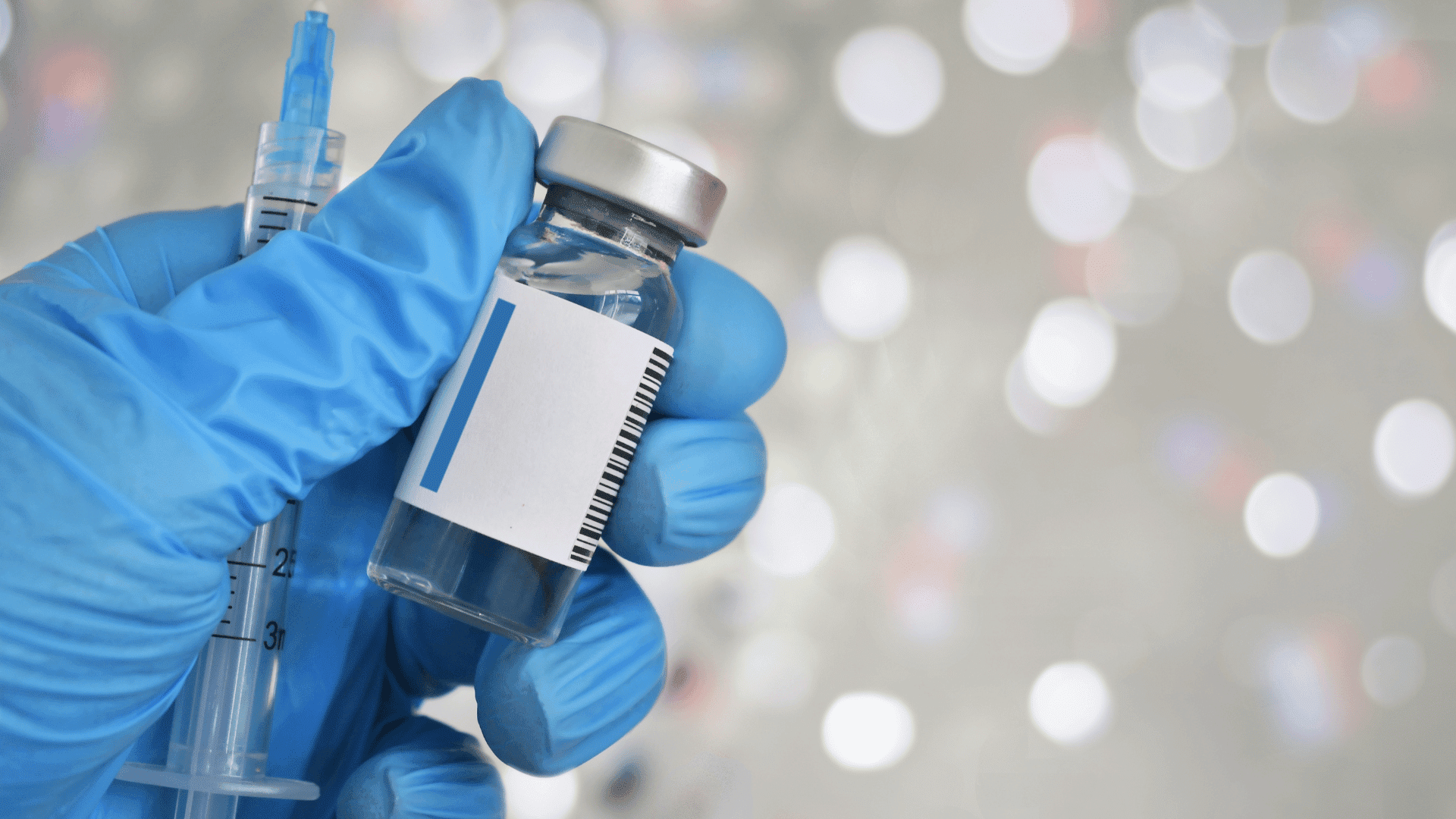
Zeichner’s team is taking a simpler approach, instead of the complex methods used for many modern vaccines. They find a part of a germ that could trigger an immune response and use AI software to help design a vaccine based on it. Then, they send instructions to a company that makes synthetic DNA into special bacteria, which are grown and then inactivated to create the vaccine.
It’s a bit like an updated version of how scientists have made “killed whole cell” vaccines for over a century. Because this method uses common materials and existing factories, it’s much easier to scale up.
“The technologies that are currently available produce excellent, safe and effective vaccines against many diseases,” Zeichner said. “However, there would be many benefits if vaccines could be made much faster and less expensively and were easier to distribute.”
He added, “We are trying to develop a new way, or platform, that will let us rapidly produce vaccines against existing infectious diseases and new infectious diseases that threaten humans and animals.”
Advertisement
Better Access and Lower Costs
A major challenge with current vaccines is the need for a “cold chain,” since many must be kept very cold, making it difficult to deliver them to remote places. Zeichner’s vaccines remain stable at normal refrigerator temperatures. They are also very inexpensive to make, possibly costing less than $1 per dose. This low cost is especially important for countries with limited resources. It also helps prevent new variants from emerging in areas where people are not yet protected.
“We know that in a pandemic it is very important for everyone to be able to get vaccines,” Zeichner explained. “First, because we want to protect everyone, but also, second, because we know that new disease variants that can be resistant to existing vaccines arise in unprotected populations where disease runs wild.”
“Protecting everyone in the world is not just an altruistic goal, but also a self-interested one,” Zeichner added.
The team has already demonstrated that the platform works in early tests. While many health organizations aim to have new vaccines ready in 100 days during a crisis, Zeichner believes his team can have one ready for testing in only three weeks.
“Vaccines need to be safe and effective, but it is also important that we can make vaccines against new threats very quickly, so that we can respond to new pandemics,” he explained. “Goverments and others have stated that a new vaccine for a pandemic threat should be able to be made in 100 days, but we think that with our platform we can make a new vaccine for testing in 3 weeks.”