When someone has a stroke caused by a blood clot, doctors can quickly restore blood flow. However, they can’t easily replace the brain tissue that gets lost. Recovering this tissue usually means relying on rehab to help the remaining brain circuits adapt.
A team of biomedical engineers at Duke University has built an injectable biomaterial that could change stroke recovery.
Rebuilding the Brain’s Neighborhood
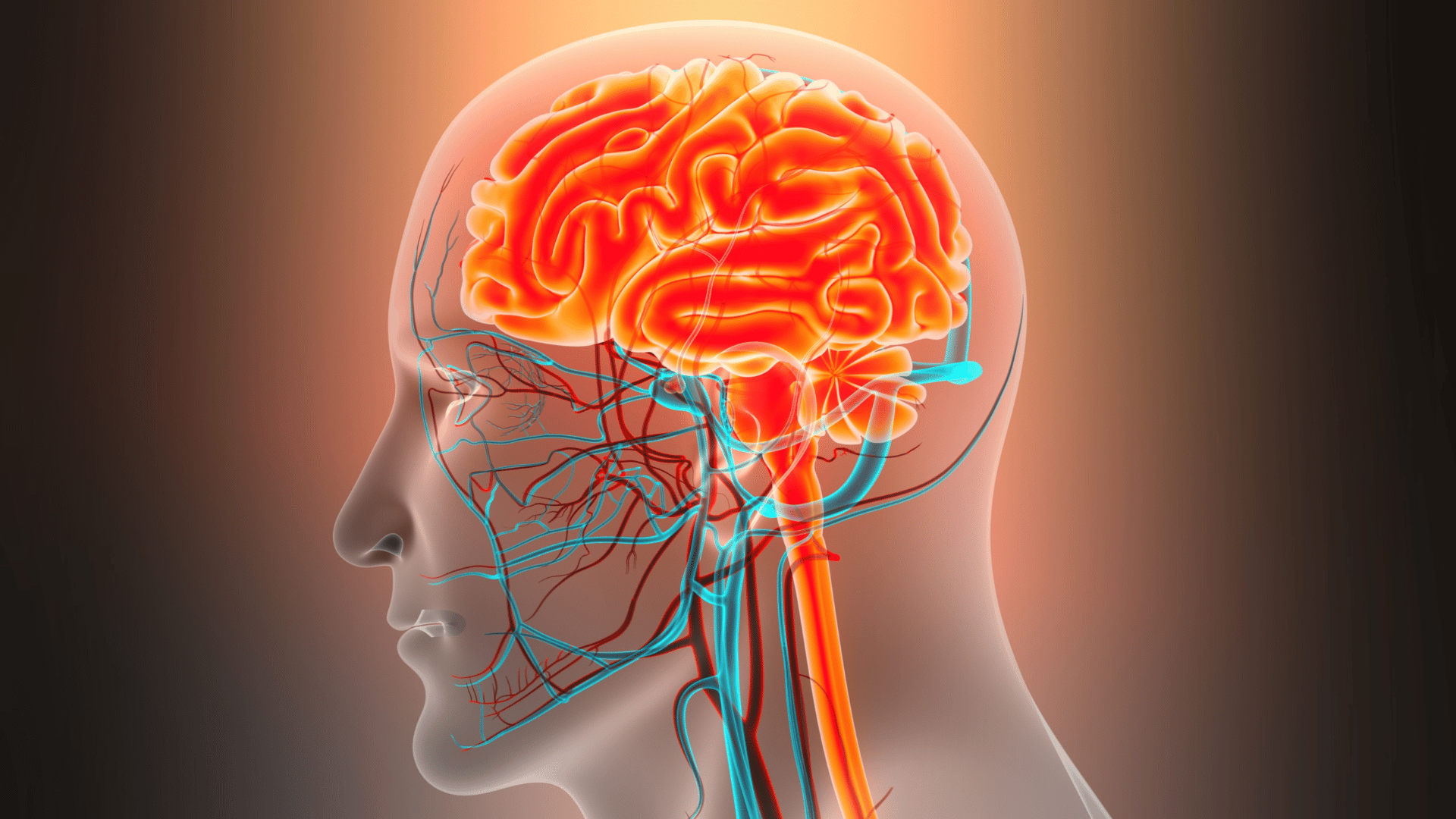
The research team isn’t attempting to rebuild the brain directly. Instead, they are setting up a scaffolding system to let the body do the work for them. They achieve this system using tiny hydrogel microparticles called MAPS. When the material is injected into the cavity caused by a stroke, it creates a porous structure for cells to grow on.
“Once brain tissue has been lost, restoring blood flow is no longer enough,” said Tatiana Segura, the Robert Plonsey Distinguished Professor of Biomedical Engineering at Duke. “Our goal is to engineer the injured space so that immune, vascular, and neural repair processes can begin to work together.”
The team attached specific signals to these particles so that the body’s immune cells could help. These signals come from astrocytes, which are star-shaped cells in the brain.
Advertisement
“We are not simply placing a material into the brain,” Segura added. “We are engineering a local environment that can coordinate several parts of the repair response.”
Surprising Helpers
The team found that certain signaling molecules attracted helpful immune cells, including the most common type of white blood cell: neutrophils. Usually, neutrophils cause inflammation right after a stroke. However, that wasn’t the case in this scenario.
“This result changes how we think about neutrophils after stroke,” said Shangjing Xin, lead scientist of the study and a postdoctoral fellow in the Segura Laboratory. “Their role appears to depend on when they arrive, where they are located, and the signals they receive from their surroundings. Our study demonstrates a potential engineering strategy to recruit and retain these cells at the right time.”
In mouse tests, this treated scaffold helped grow new blood vessels and improved movement. By eight weeks, the mice performed like healthy controls on a coordination test.
Right now, the work is still preclinical. The team is looking at using human cells next to make it scalable.
“You do not restore an ecosystem simply by containing the initial damage. You have to create the conditions that allow life to return. That is how we think about the stroke cavity,” Segura said. “The material is not intended to reproduce the brain itself, but to create an environment where the body’s own cells can enter, communicate and participate in rebuilding vascularized tissue.”
 Read Exclusive Stories
 Bookmark & Save Articles For Later