Finding new ways to treat brain tumors in children is a slow and difficult process. One of the biggest roadblocks in finding ways to treat brain tumors in children is the lack of good materials to test those ideas on. To solve this, scientists at St. Jude Children’s Research Hospital have developed a way to grow tumor models in the lab that mimic real tumors.
These models, called organoids, are essentially 3D versions of tumors grown from patient cells. In the past, researchers had to rely on methods that were incredibly expensive and took months to set up. This new organoid approach allows scientists to run tests and check how drugs work much faster than before, all without needing to wait for new samples from patients.
Tumor Organoids Act Like the Real Thing
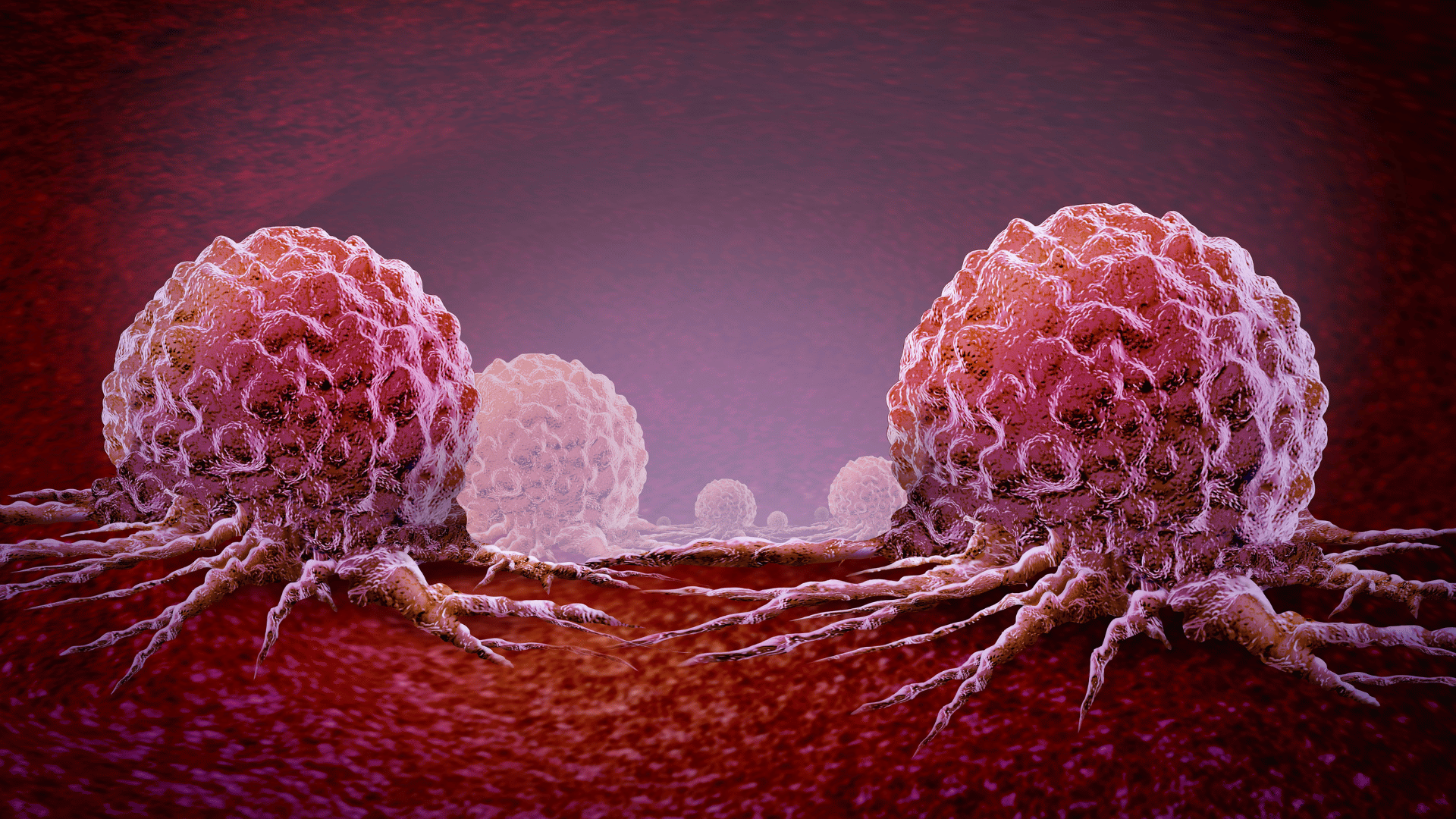
Traditional research models often struggle to mimic the actual biology of a human tumor. However, the team at St. Jude found that their lab-grown organoids kept the same genetic and cellular makeup as the original tumors they came from. They tested several types of aggressive childhood brain cancers, including medulloblastoma, and the results were consistent. When they tested drugs on these organoids, the tumors reacted exactly how the researchers expected them to.
Advertisement
“Some patient-derived tumor models can take months to develop, which slows research and increases costs,” said Martine Roussel, PhD, of the St. Jude Department of Tumor Cell Biology. “By developing lab-grown tumor organoids that truly reflect the original tumors they came from, we created a faster, more accessible way for researchers to study these tumors and test potential therapies.”
Sharing the Tools With Others
Additionally, St. Jude is making the organoids available to other scientists who want to use them for their own studies. This is a big deal because many labs don’t have the funding or the specialized equipment to create these from scratch.
“Not everyone has the resources to develop these types of models,” Roussel explained. “These organoids are available to researchers upon request, allowing more scientists to use them to advance the study of pediatric brain tumors.”
 Read Exclusive Stories
 Bookmark & Save Articles For Later