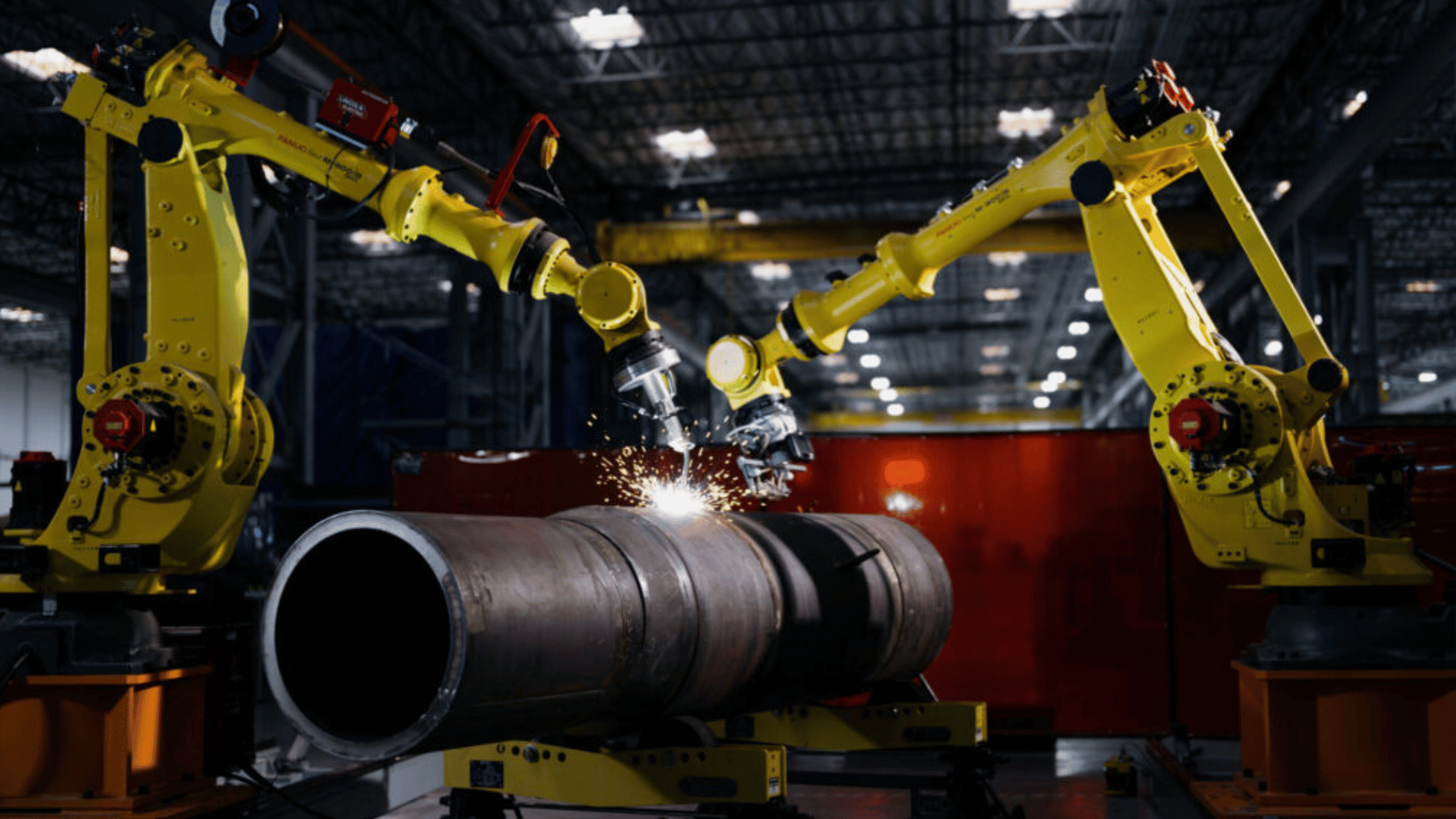
Fusion power plants rely on complex systems called vacuum vessels. These structures must maintain a perfect vacuum while handling extreme heat, strong electromagnetic forces, and heavy neutron loads. Usually, these vessels are built as one massive, welded piece of metal. However, when parts wear out, doing maintenance on a giant welded block is incredibly difficult.
To address the longstanding challenge, UK Fusion Energy Ltd is developing the UK’s first prototype fusion plant, known as the STEP (Spherical Tokamak for Energy Production) program. To solve the maintenance issue, they recently published two European patent applications.
New Designs for Fusion Plants
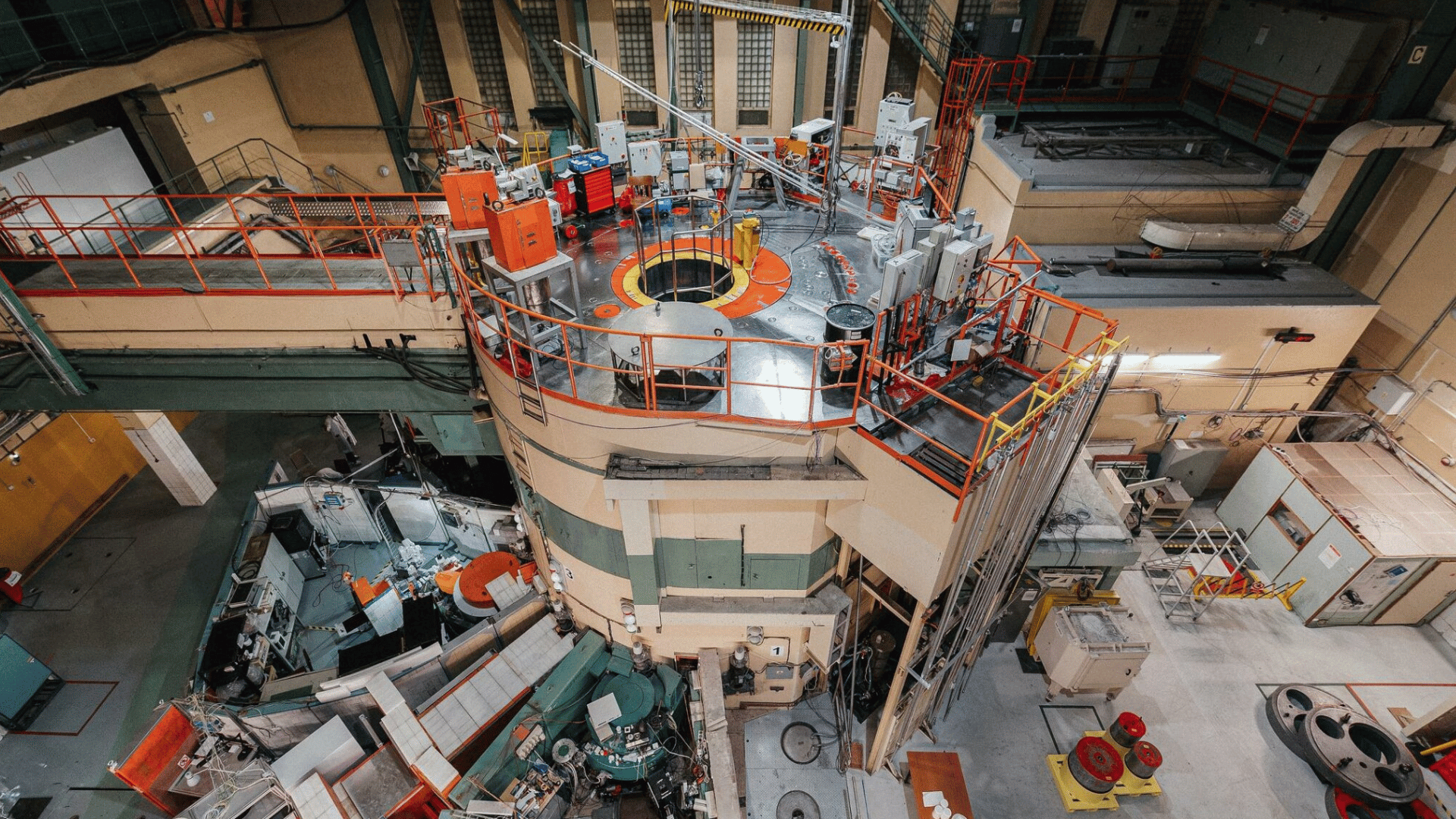
Instead of welding a single massive structure, the new design builds the reactor using stacked ring modules.
Workers can now pull out one specific section, service it, and put it back independently. This cuts down on the number of connections that workers have to break and remake during repairs. It also gives teams much better access to the internal systems, which helps with the long-term management of the reactor’s parts. The first patent application, EP4742271A1, covers this exact modular setup.
Advertisement
A Complete Solution
Stacking separate rings creates a new issue. A modular design only works if you can keep a perfect vacuum seal between each distinct section. Large metal structures can warp during manufacturing or shift slightly while the plant runs.
The second patent application, EP4742272A1, details a fluid sealing device that sits between the modules to solve this. It maintains the vacuum even if the metal parts deform or aren’t shaped perfectly.
Together, the modular vessel and the fluid seal create one complete engineering solution. They keep the plasma safely confined while making the plant much easier to fix.
“The publication of these applications marks an important milestone for UKFE and the STEP program,” Claire Goodier, Head of Intellectual Property at UK Fusion Energy Ltd, said. “They represent some of the first innovations developed within the program to enter the public domain through the patent system and highlight the engineering innovation being developed across the program.”
 Read Exclusive Stories
 Bookmark & Save Articles For Later