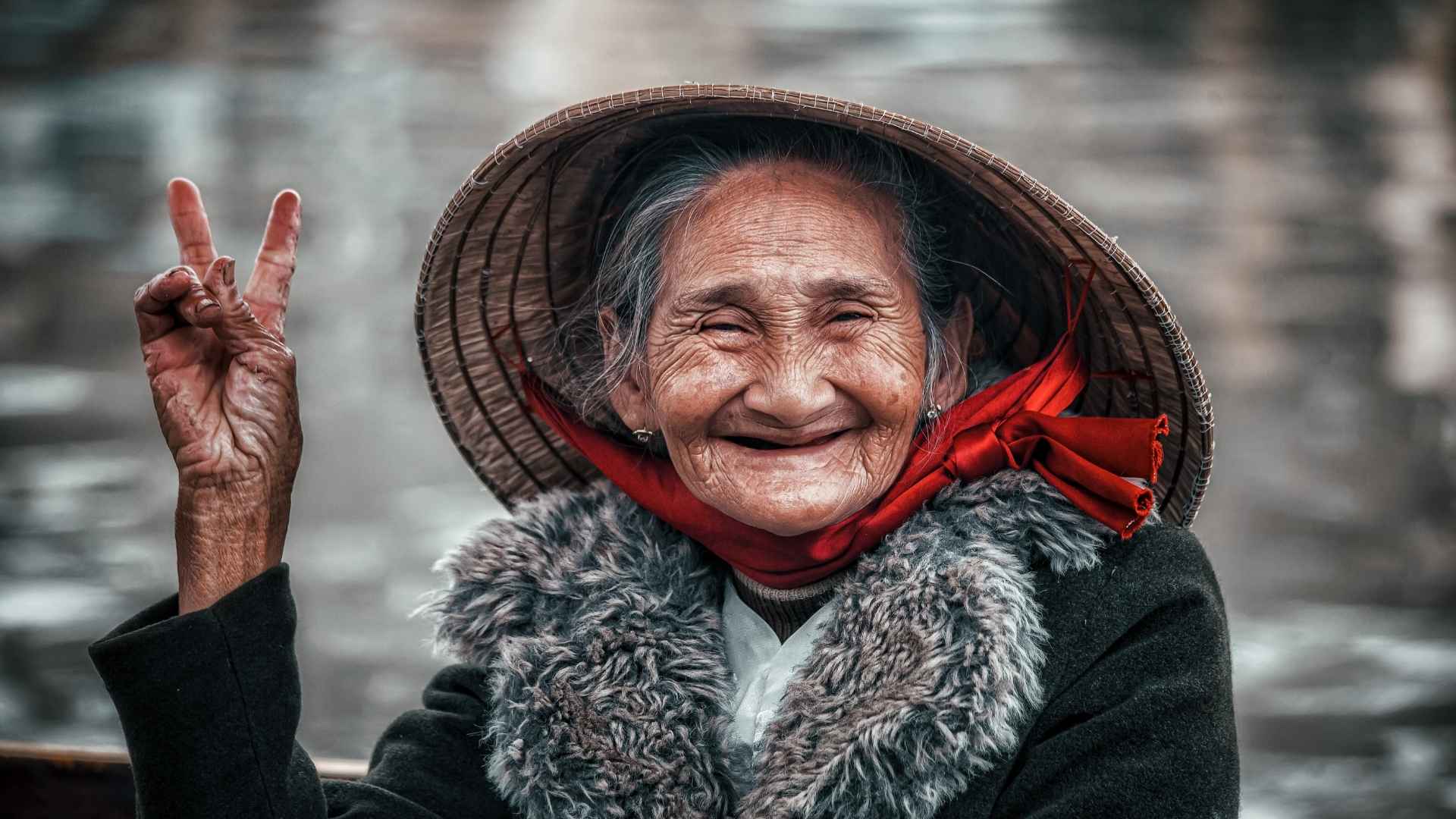
Imagine living to 100 and still feeling great. You are still gardening, walking to the market, and hanging out with your friends. This is not a sci-fi movie. It is real life in places called “Blue Zones.” These are five regions around the world where people live longer, healthier lives than the rest of us. The term was coined after researchers went to Sardinia, Italy, and drew blue circles on a map around villages with the most centenarians. They also found other hotspots, such as Okinawa, Japan, and the Nicoya Peninsula in Costa Rica. Scientists wanted to know their secret. Was it just amazing genetics? Actually, no. The famous Danish Twin Study looked at this closely. Researchers found that genes only account for about 20% of how long we live. The other 80% comes down to lifestyle and environment.
Moving Without the Gym
Here is the thing. People in Blue Zones do not lift weights or run marathons. They do not have gym memberships. Instead, their environments force them to move naturally every single day. In Sardinia, many older men spent their lives as shepherds, walking miles across steep hills. In Okinawa, elders spend hours tending to their backyard gardens. They walk to the store, climb stairs, and do yard work by hand. They get up and move about every twenty minutes. This constant, low-intensity movement keeps their hearts healthy without the strain of intense workouts.
The 80% Diet Rule
Advertisement
Their food habits are also remarkably simple. They do not eat fancy superfoods or follow strict, complicated diets. Instead, they eat a mostly plant-based diet. Beans like lentils, fava beans, and black beans are the main staples. They eat meat very sparingly, usually just a few times a month. They also practice calorie control without counting numbers. Okinawans say a 2,500-year-old mantra before meals: Hara hachi bu. It reminds them to stop eating when they are 80% full. That small gap keeps them from overeating and helps maintain a healthy weight.
Purpose and People
But living long is not just about food and walking. The research shows that mental and social connections are just as vital. Okinawans call it Ikigai, and Costa Ricans call it plan de vida. Both translate to “why I wake up in the morning.” Studies show that having a clear sense of purpose can add up to seven years to your life expectancy. It gives you a reason to get out of bed.
Finally, they prioritize community. Okinawans form moais, which are groups of five friends who commit to each other for life. They meet up to chat, share advice, and support one another. Loneliness can literally shorten your lifespan, but these tight social circles keep stress levels low. You do not need to move to Italy or Japan to get these benefits. It is about building small, healthy habits into your own daily routine. Walk a little more, eat more plants, and call a friend tonight. It is a simple formula, but the science shows it works.
 Read Exclusive Stories
 Bookmark & Save Articles For Later