Around 2.2 billion people worldwide do not have reliable access to clean drinking water. To fix this, many places turn to desalination plants. However, current methods, such as reverse osmosis, use a lot of energy and leave behind a sludge called brine. When brine goes back into the ocean, it lowers oxygen levels and harms marine life.
Researchers at the University of Rochester believe they have found a better method. A team led by physics and optics professor Chunlei Guo created a solar-thermal desalination process that is energy-efficient, uses no chemical pre-treatments, and leaves zero brine behind.
Salt Water to Drinking Water
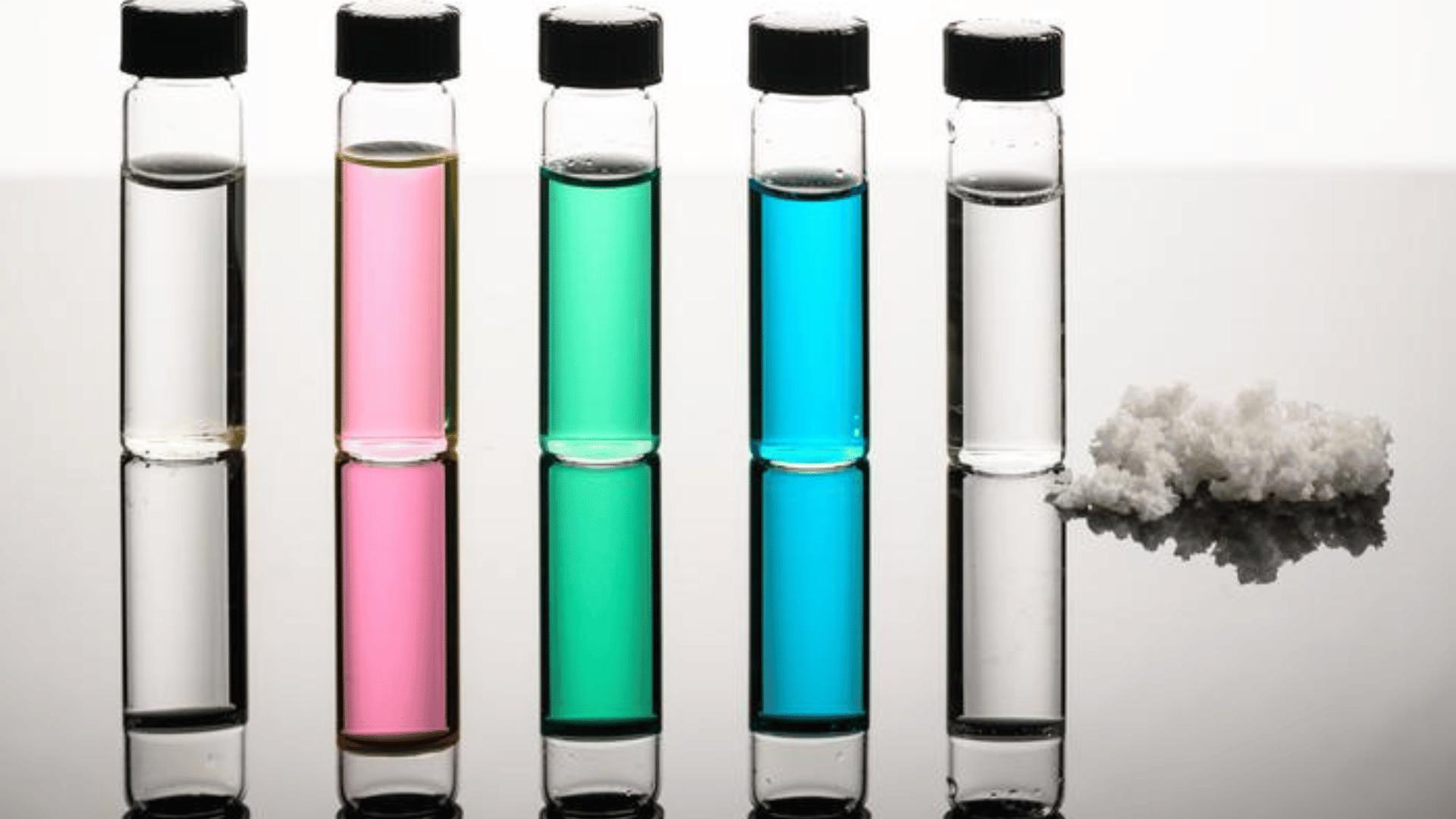
The team used lasers to etch tiny grooves into black metal solar panels. As a result, the surface becomes super-absorbent to light and “superwicking,” meaning it pulls water across itself in a thin layer. When the sun heats the panel, the water evaporates into fresh water.
However, real ocean water contains minerals like calcium and magnesium that usually clog machinery. Guo’s team solved this with simple physics.
“If you drop coffee on a surface, eventually the water evaporates and there’s a ring left at the outer edge that is the concentrated coffee particles,” Guo explained. “We use that same principle to advance the salts to the passive region.”
Advertisement
By using this effect, the panel pushes the salt away from the heated area and onto the untreated sides of the metal. The system cleans itself, keeping the panel from clogging up while pulling fresh water from samples taken from the Atlantic, Pacific, and Indian oceans.
Mining Leftover Minerals
Instead of creating toxic liquid brine, this method extracts almost all the salt in solid form. That means less waste, and it opens up new opportunities. The leftover crust could give us standard table salt, or even rare minerals like lithium.
Additionally, adding hydrogen titanate nanoparticles to the metal grooves allowed the team to separate lithium from the other salts. They tested this with water from the Great Salt Lake and successfully pulled out about 50 percent of the lithium.
“Mining lithium from the earth has proven to be very taxing from an energy and environmental standpoint, so pulling lithium directly from saltwater could be a very important future route,” said Guo.
The technology is still in the early stages, but the team believes it can easily scale up to help provide clean water and better mineral supply chains.
 Read Exclusive Stories
 Bookmark & Save Articles For Later