In Idaho, the future of American energy is happening. Aalo Atomics recently opened the doors to its new Critical Test Reactor, a project they’ve named “Project First Light.” It’s a major step forward for a company aiming to kickstart a second atomic age.
Speeding Up the Timeline
For far too long, nuclear energy has had a reputation for being slow. In the U.S., it often takes nearly twenty years to get a new plant up and running. Aalo is working on flipping that narrative. About six months ago, the site at the Idaho National Laboratory was a dirt field. Today, a finished building stands there, fully equipped and ready for operators to begin their work.
This fast pace is part of a larger goal to meet a 2026 deadline for new reactor testing. By moving quickly, Aalo is proving that nuclear projects don’t have to be stuck in “paper mode” for decades.
Three Big Questions
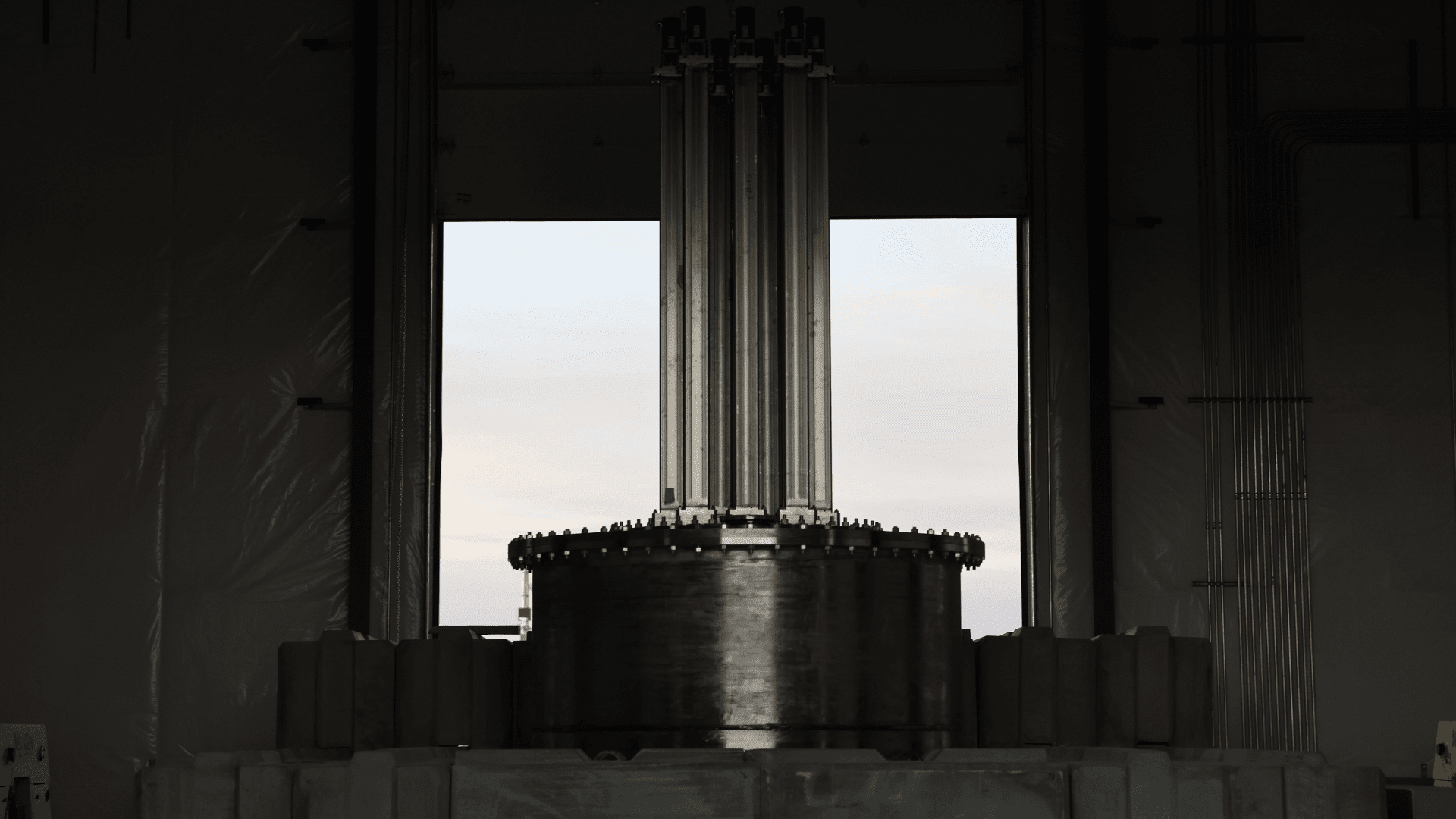
During the event, the team focused on how, when, and who will make this new era of energy a reality. “The Critical Test Reactor is how,” the company explained. By building a real, physical reactor, they can test parts like control rods and fuel supplies in the real world rather than just on a computer screen.
Advertisement
As for the “when,” the work is ongoing. After this test reactor, Aalo plans to build a “gigafactory” to mass-produce reactors in just days. The goal is to have full-power reactors ready for customers by the end of the decade.
It takes a mix of government support, supply chain partners like Paragon Energy Solutions, and a dedicated team working around the clock.
A Mission for the AI Age
One of the biggest drivers for this new technology is the massive amount of power needed for AI data centers. Traditional power grids are struggling to keep up with the demand.
Aalo President Yasir Arafat noted the importance of building “real reactors” rather than just theoretical ones. He laid out a roadmap that starts with this test reactor and ends with a purpose-built model for the tech industry.
The company is optimistic about what this energy can do. They pointed to how AI is already helping people, like a recent story of someone using AI to help create a life-saving treatment for their dog, and believe providing clean, reliable power is the best way to help those technologies grow.