America’s demand for electricity is shooting up after sitting flat for two decades. To meet the surge, companies are looking to safe, scalable microreactors and small modular reactors. Coupling the energy demand, university researchers say, is a severe shortage of engineers, managers, and policymakers who know how nuclear systems work.
For example, most of the current workforce is ready to retire. Additionally, many nuclear projects are remote, making them difficult to staff. On top of that, traditional degree programs focus mostly on specialized PhDs and design engineers.
The modern power grid requires people who understand systems engineering, supply chains, thermodynamics, and safety rules to build and run thousands of smaller reactors.
To address this critical gap, the University of Tennessee, Knoxville (UT), Arizona State University (ASU), and Purdue University established a partnership called the New Nuclear Academic Consortium (NNAC). The consortium aims to build a national network that prepares students for the new nuclear economy.
Each University Brings Something to the Table

UT sits in East Tennessee, an area packed with over 150 nuclear-related companies within 50 miles. The university brings standalone nuclear degree programs and strong research ties to Oak Ridge National Laboratory.
Advertisement
“We are proud to be part of this unique partnership to expand access to education and training about nuclear engineering and the nuclear sector,” said Brian Wirth, TVA Department Head and UT-ORNL Governor’s Chair Professor of Computational Nuclear Engineering at UT. “While we have seen substantial growth in our on-campus student population and the establishment of a new minor in nuclear power engineering, this consortium will support the needed training requirements to grow the nuclear workforce.”
ASU is launching three to five undergraduate micro-certificates this year. These short programs will teach nuclear fundamentals to students studying mechanical, civil, electrical, materials, and systems engineering.
“The future of new nuclear energy is unfolding in front of us and the nation will need more graduates who are prepared to enter the nuclear industry,” said Kyle Squires, dean of ASU’s Fulton Schools of Engineering. “This new consortium brings together three top public universities, each with tremendous expertise and reach, to increase the number of engineers prepared to work in the new nuclear industry and create courses and microcredentials that can be accessed by engineers at any U.S. university.”
Real Reactors and Virtual Learning
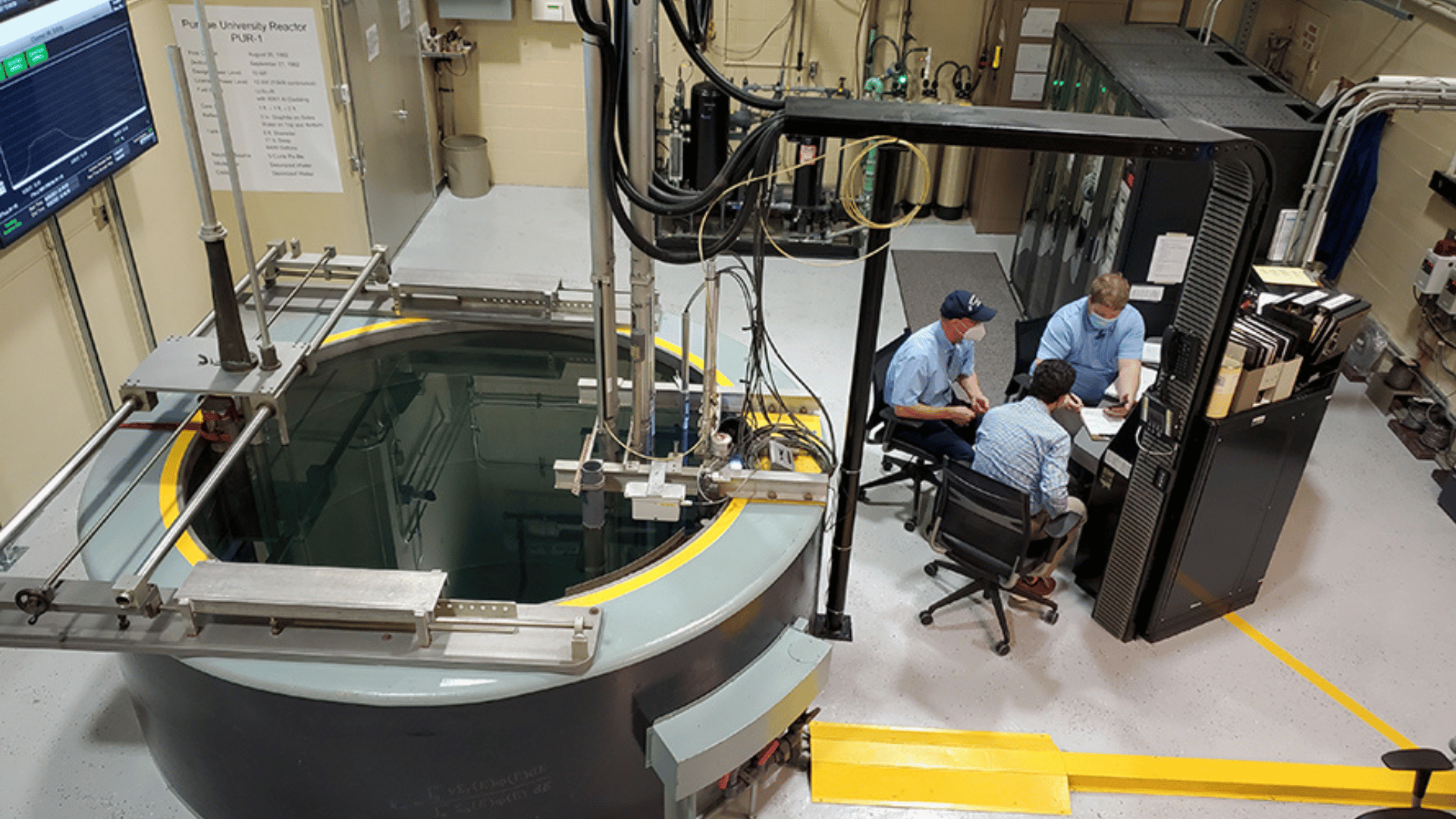
Purdue adds decades of regulatory experience and its own research reactor, PUR-1. It stands as the only facility licensed by the U.S. Nuclear Regulatory Commission (NRC) with a fully digital safety and control system.
“Through the New Nuclear Academic Consortium, we have an opportunity to combine Purdue’s unique experimental and regulatory capabilities with the complementary strengths of ASU and the UT to create a new model for nuclear education,” said Stylianos Chatzidakis, assistant professor in Purdue’s School of Nuclear Engineering. “Our goal is to give students meaningful exposure to real nuclear systems and hands-on advanced digital and cyber-physical technologies, so they are prepared not just to design the next generation of reactors, but to safely deploy and operate them at scale.”
 Read Exclusive Stories
 Bookmark & Save Articles For Later