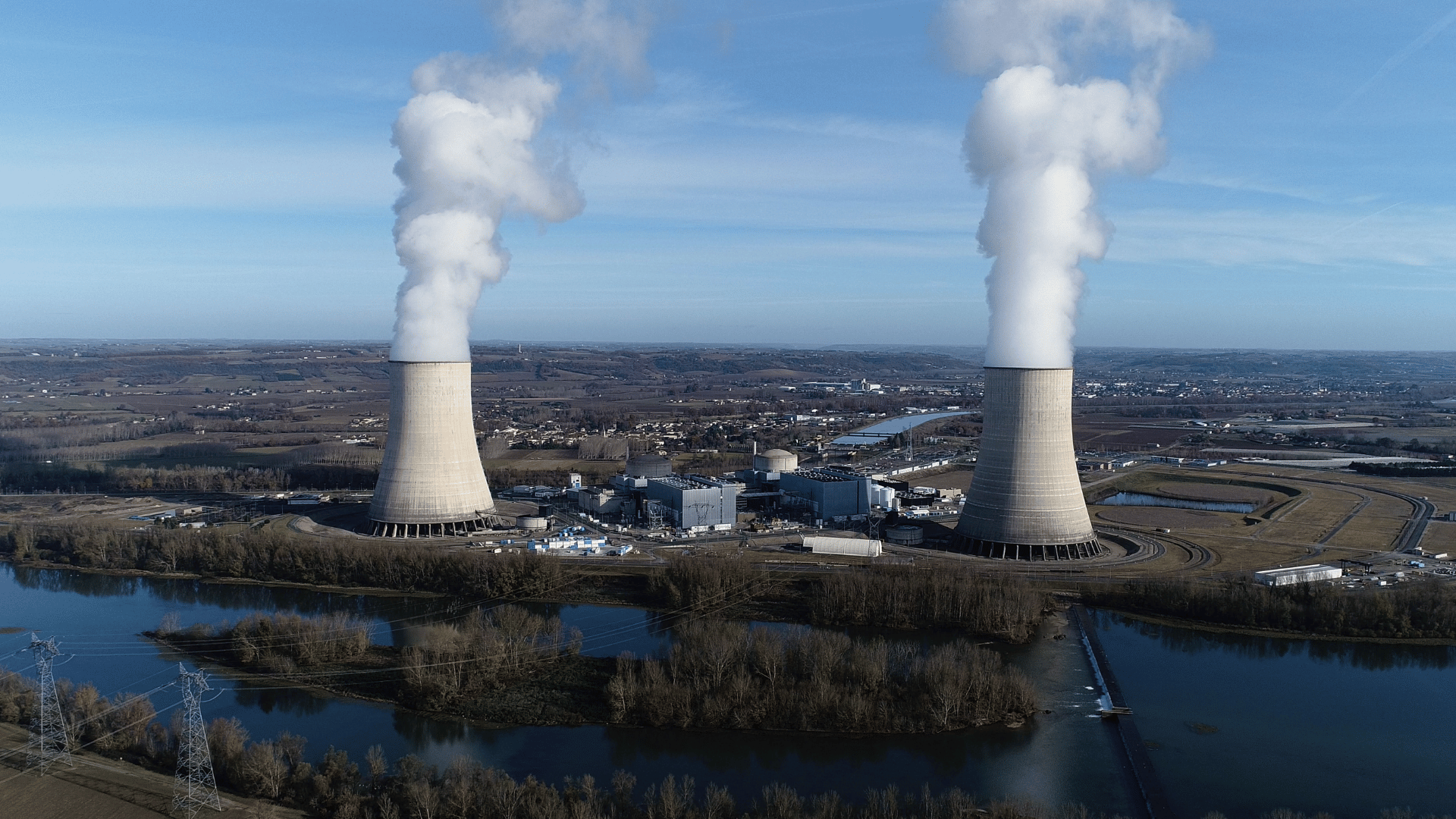
Running a nuclear power plant requires meticulous, careful work. A plant’s huge complex systems use intense heat and pressure to make steam.
Keeping them safe and running smoothly requires a highly trained crew. People have to fix high-pressure pipes and balance cooling systems, requiring very specific skills and serious training.
Hands-On Work, Sometimes Underwater
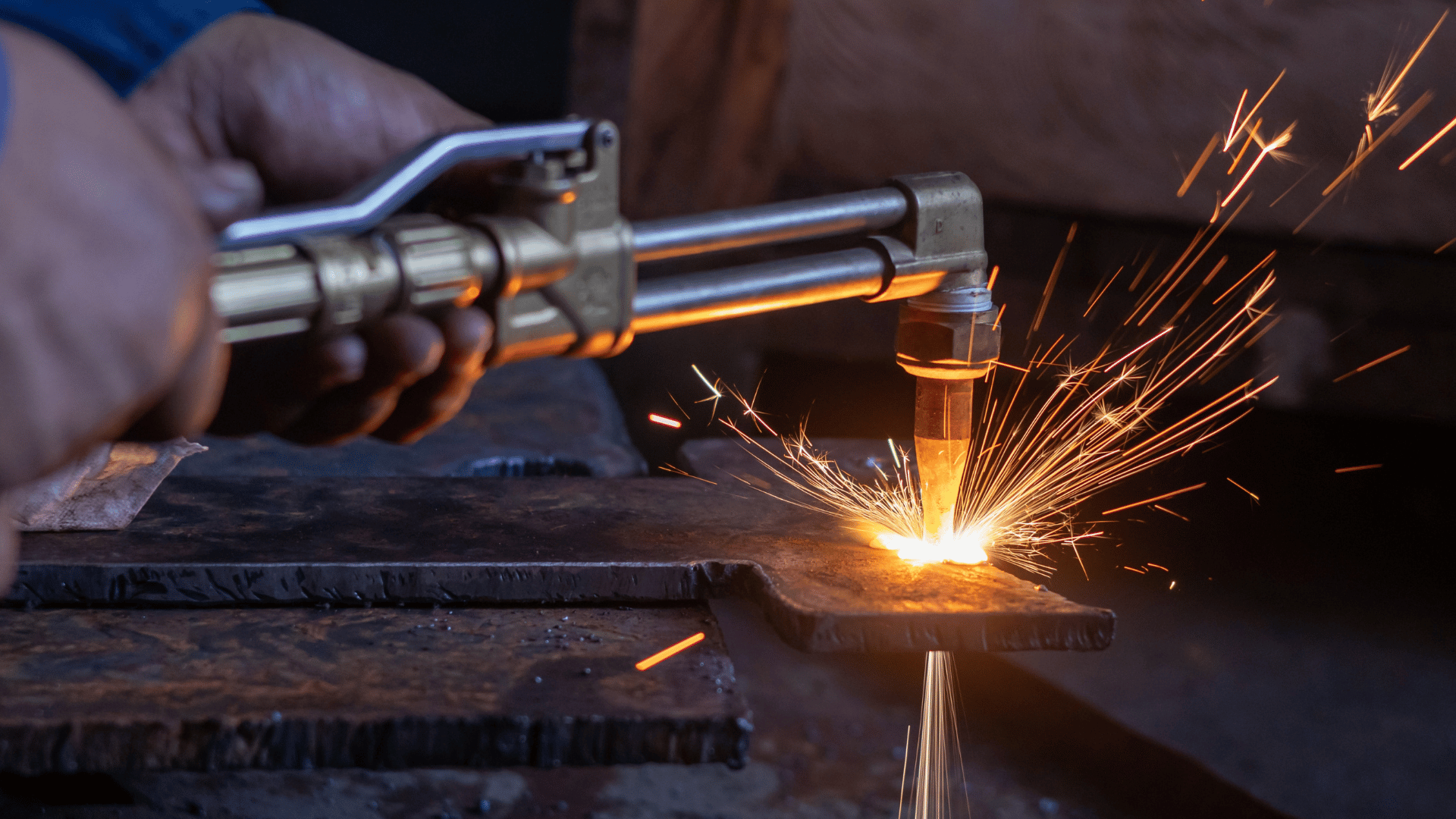
The people who physically maintain the plant are nuclear welders and inspectors. They make sure the reactor vessel, pipes, and steam generators stay completely intact.
First, inspectors use advanced tools like X-rays and ultrasound equipment to spot flaws you can’t see. Then, welders come in to make precise repairs. If you want to do this, you start with a high school diploma. Many learn metallurgy and welding at technical schools or through union apprenticeships, like the UA. It takes thousands of hours of instruction to earn the required ASME certification.
Organizations like the United Association of Journeymen and Apprentices of the Plumbing and Pipe Fitting Industry (UA) offer specialized nuclear welding certification programs and apprenticeships.
Advertisement
Some of these repairs also happen underwater. Nuclear plants use oceans, rivers, or lakes for cooling. Commercial divers clear debris from the water intakes, and they also work right inside the plant. Wearing specialized gear, they do inspections and weld inside the reactor vessel and spent fuel pools where the water actually acts as a shield against radiation.
Institutions accredited by the Association of Commercial Diving Educators (ACDE), such as the Divers Institute of Technology, provide the baseline underwater welding and commercial diving certifications required before a diver can be hired and cross-trained by a nuclear utility or specialized nuclear contractor.
Managing the Science and Quality
You also need a team running the chemistry such as a radiochemist who ensures the water in the cooling system is perfectly balanced. They monitor the streams, manage radioactive effluents to protect the environment, and stop the intense heat from corroding the internal pipes. This job requires a bachelor’s degree in chemistry. Supervisors need at least five years of practical experience, and they follow strict guidelines from the Electric Power Research Institute.
Then there is the Non-Destructive Testing (NDT) Level III Manager. While junior inspectors look for flaws, the Level III manager writes the rules and leads the teams. They use radiographic, ultrasonic, and magnetic tests to verify a critical component is structurally sound. You can start this path with just a high school diploma, but you need at least 48 months of supervised field experience before taking the ASNT certification exams. It takes thousands of hours of documented, hands-on work to get there.
When we think of nuclear power plants, nuclear engineering almost always comes to mind. Clearly, however, there are countless roles and careers that all work together in the high-pressure power plants.
 Read Exclusive Stories
 Bookmark & Save Articles For Later