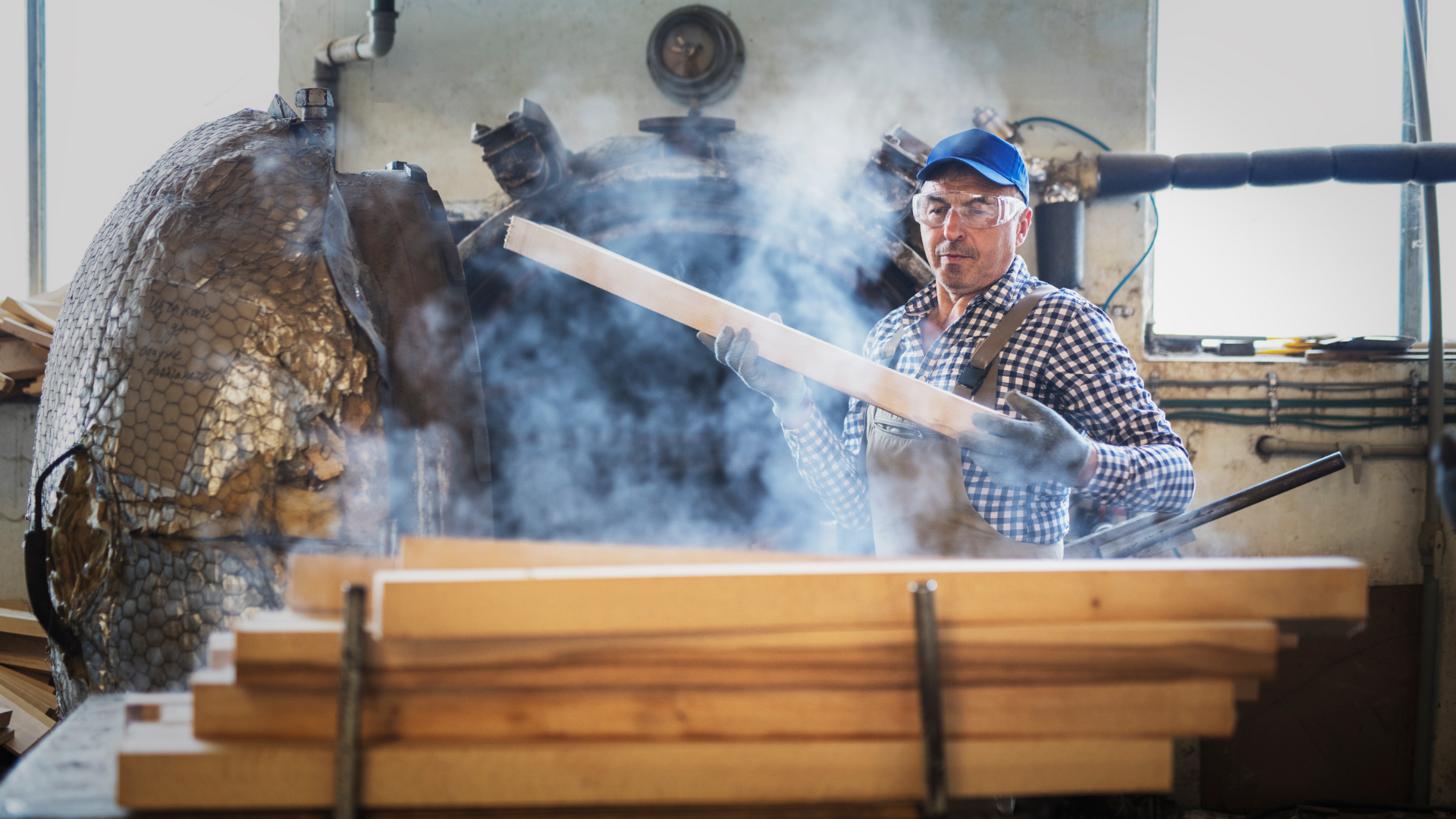
Every year, new ideas step up to tackle real problems, save resources, and make life a little easier. TIME recently released its annual roundup of top innovations, highlighting creative solutions across technology, sustainability, and daily living.

Here are five standouts from the list that show how smart thinking turns into practical reality.
1. Mangoslab Nemonic Dot
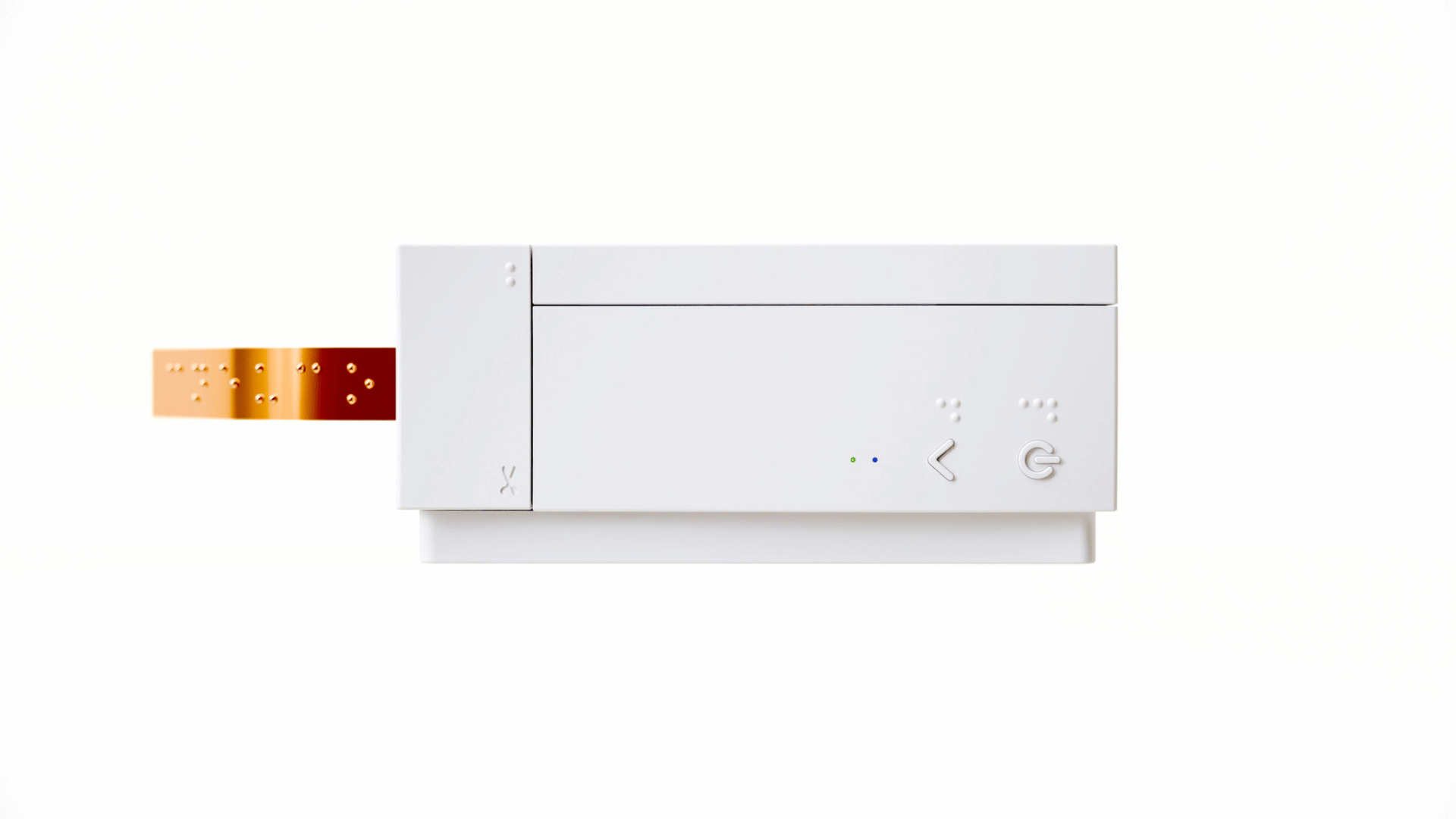
Labeling items at home or at school may seem simple, but standard text labels do not help people who are blind or have low vision. The Nemonic Dot is a compact Braille label maker that changes that. Users type what they need on a smartphone app, and the small handheld device prints tactile Braille stickers on demand. It brings quick independence to organizing pantries, medicine bottles, and office supplies.
2. Atoco Reticular Materials

Clean drinking water remains scarce in many dry regions across the globe. Atoco built a system using porous reticular materials that pull moisture straight out of thin air, even in low-humidity deserts. Instead of relying on energy-heavy refrigeration units, the material harvests water using natural ambient heat and sunlight. It offers a low-power way to supply fresh water to off-grid communities.
3. VunaNexus Aurin
Advertisement

Commercial farming relies heavily on synthetic fertilizers, which take massive amounts of energy to produce and often pollute local waterways. VunaNexus created Aurin, a system that transforms human urine into a nutrient-rich, pathogen-free plant fertilizer. Recycling nitrogen and phosphorus from local waste streams reduces chemical runoff and closes the loop for sustainable food production.
4. Framework Laptop 13 Pro
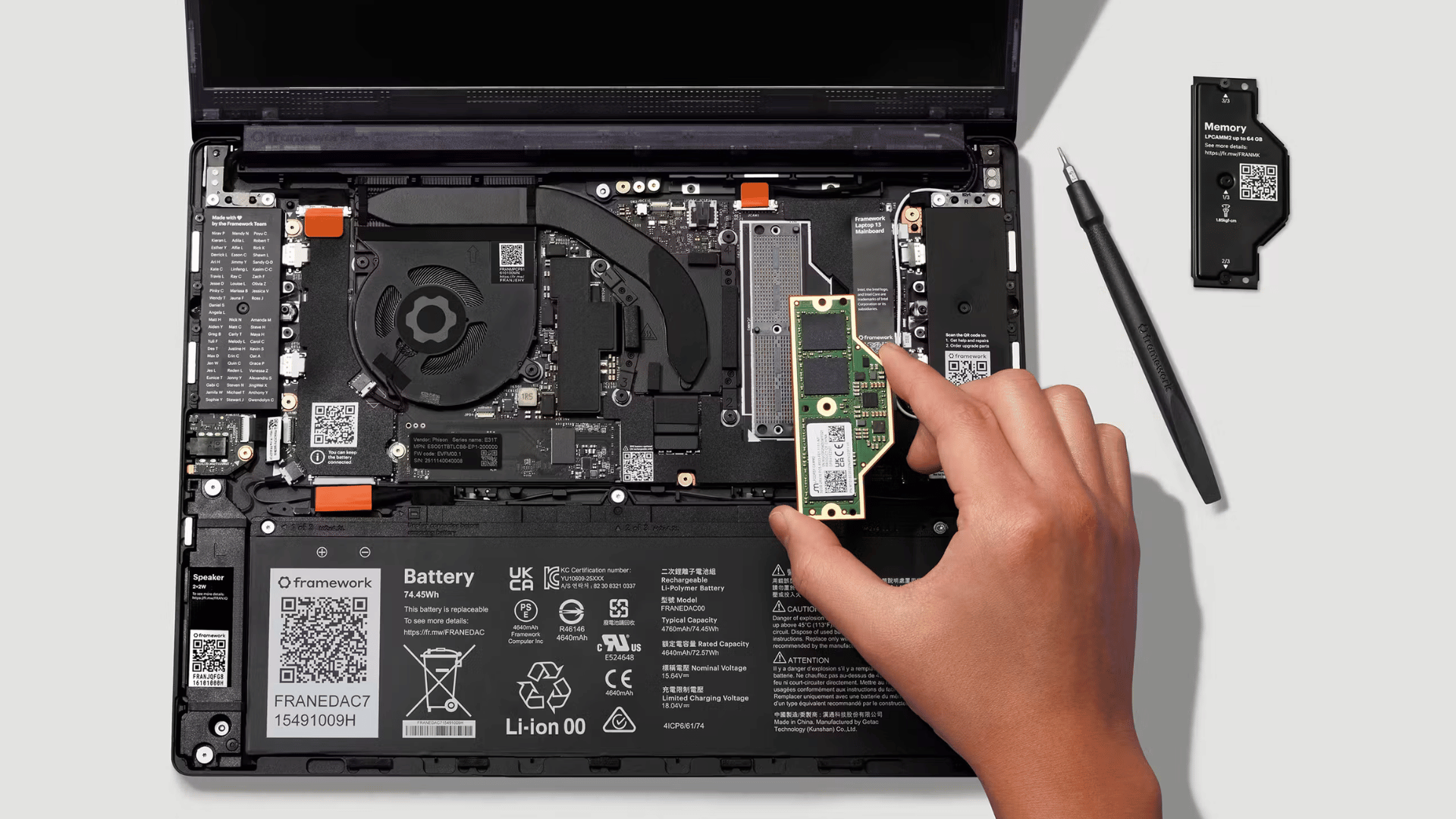
Most modern laptops end up in a landfill as soon as one part breaks or the processor gets outdated. Framework flips that design model upside down with a fully modular, user-repairable laptop. Every single component—from the screen hinges and mainboard to the battery and ports—can be swapped out using a single screwdriver. It keeps hardware in use longer and reduces electronic waste.
5. Renco Building System
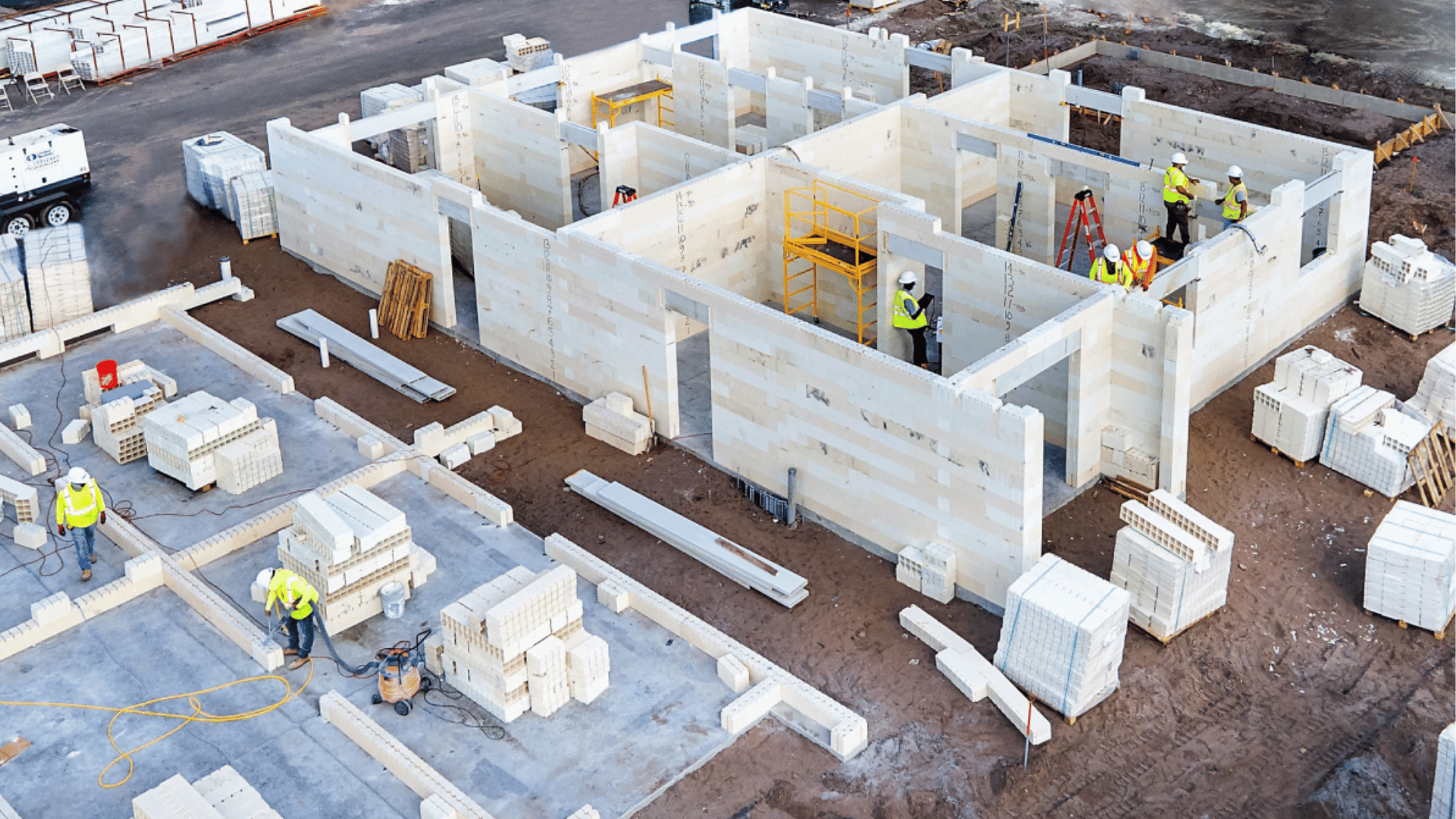
Traditional building construction consumes huge amounts of raw materials and generates heavy site waste. The Renco system introduces composite structural blocks made from recycled glass fiber, resin, and stone. The pieces interlock together much like giant building bricks, requiring no heavy mortar. They resist rust, termites, and rot, enabling builders to put up durable housing faster with less environmental impact.
Each of these designs takes an existing problem—like e-waste, water scarcity, or unsustainable construction—and approaches it with fresh logic. As TIME has recognized, these technologies offer clear, grounded proof that practical engineering can protect the planet while improving everyday human lives.
 Read Exclusive Stories
 Bookmark & Save Articles For Later