Not everyone is capable of hiking in the mountains or the forest to get closer to nature. Studies have shown the restorative benefits of immersing yourself in nature. For those who can’t enjoy those benefits, virtual reality may offer some of the same benefits.
A study published in Building and Environment shows that curated, human-made garden spaces can offer real mental benefits, even when experienced through virtual reality.
Researchers from Drexel’s Nick Howley College of Engineering and Computing tested how 32 adults responded to five different VR settings. Working with Longwood Gardens, a horticultural destination in Kennett Square, Pennsylvania, the team created 360-degree virtual environments. These included a plain indoor office with no nature, natural landscapes like forests and meadows, and curated ornamental gardens.
Participants spent six minutes in each setting while wearing sensors. A head sensor measured blood flow in the brain, while a wristband tracked heart rate and skin sweat to measure nervous system activity.
Virtual Nature Offers Similar Benefits
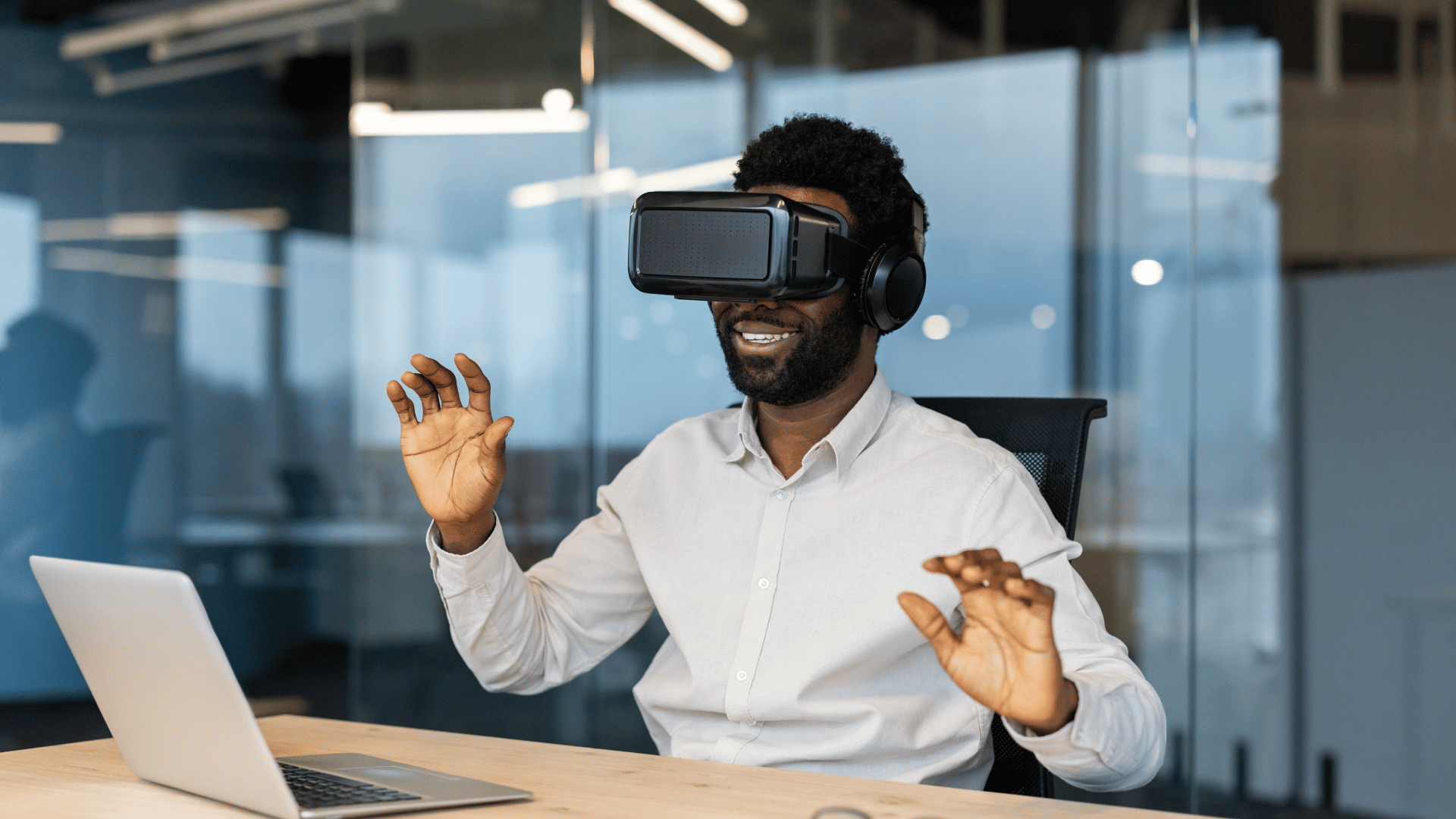
The sensors showed that the curated ornamental gardens lowered activity in the prefrontal cortex almost as much as wild natural scenes did. Lower activity in this part of the brain is linked to mental restoration and relief from fatigue. Simultaneously, the wristband sensors picked up higher skin sweat levels in the gardens compared to the office, meaning the body stayed alert and interested even while the brain rested.
“The ornamental condition was not simply a mid-point between the other two experiences, but a style worth understanding in its own right, particularly for developers, planners and researchers,” said senior author Hasan Ayaz, PhD. “We found that these ornamental, curated spaces can quiet the mind almost on par with relatively untouched nature, while also providing the benefit of elevated bodily activation, a condition we refer to as an ‘aroused fascination.’”
The team believes these findings could help designers build better physical and virtual spaces for people stuck inside all day.
“By mapping these distinct responses, this work lays the groundwork for eventually designing targeted VR breaks that could help relieve cognitive fatigue among people stuck in windowless spaces,” said lead author Kevin L. Ramirez-Chavez.
 Read Exclusive Stories
 Bookmark & Save Articles For Later